Executive Summary
- Calibre is an automated performance monitoring platform that leverages Google Lighthouse and Chrome to provide deep insights into Core Web Vitals and speed metrics.
- It enables the implementation of performance budgets and regression testing within CI/CD pipelines to prevent code-driven speed degradation.
- The platform offers multi-region testing and device emulation to simulate real-world user experiences across diverse network conditions.
What is Calibre?
Calibre is an enterprise-grade performance monitoring and automation suite designed to track, audit, and improve website speed and user experience. It functions by orchestrating headless Chrome instances to run Google Lighthouse audits at scale, providing a centralized dashboard for performance data across multiple environments. Unlike manual testing, Calibre automates the collection of critical metrics such as Largest Contentful Paint (LCP), Interaction to Next Paint (INP), and Cumulative Layout Shift (CLS).
The platform is built for teams that require continuous visibility into their performance profile. It allows engineers to set performance budgets—thresholds for specific metrics—and receive alerts when these are exceeded. By integrating directly into the development workflow, Calibre ensures that performance is treated as a first-class citizen throughout the software development lifecycle (SDLC).
The Real-World Analogy
Imagine a sophisticated, 24/7 security and maintenance system for a high-speed railway. Instead of waiting for a train to break down or a passenger to complain about a delay, the system constantly monitors track integrity, engine temperature, and station arrival times across the entire network. If a single bolt loosens or a train slows down by even a few seconds, the system immediately alerts the engineers with the exact location and cause of the friction. Calibre acts as this automated monitoring system for your website, ensuring every track (page) and engine (server/code) is operating at peak efficiency before a user ever experiences a delay.
Why is Calibre Critical for Website Performance and Speed Engineering?
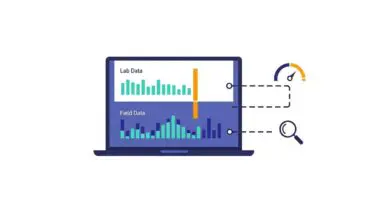
Calibre is essential because it bridges the gap between lab data and field data by providing consistent, reproducible synthetic testing environments. In the context of Core Web Vitals, Calibre allows developers to identify performance regressions before they reach production, protecting the site’s search engine rankings and user retention rates. It provides granular waterfalls and third-party script tracking, which are vital for identifying render-blocking resources and excessive main-thread work that negatively impact Interaction to Next Paint (INP).
Best Practices & Implementation
- Establish Performance Budgets: Define strict limits for LCP and Total Blocking Time (TBT) within Calibre to trigger alerts during the build process.
- Utilize Multi-Region Testing: Configure test profiles across different geographic locations to understand how latency and CDN performance vary for global users.
- Integrate with CI/CD: Use the Calibre CLI or API to run performance audits on pull requests, preventing performance debt from entering the codebase.
- Monitor Third-Party Impact: Use Calibre’s third-party tracking features to identify external scripts that contribute to layout shifts or long tasks.
Common Mistakes to Avoid
One frequent error is ignoring the noise in synthetic data by failing to standardize test conditions, such as device emulation and network throttling. Another mistake is setting performance budgets too high, which renders them ineffective as early warning systems. Finally, many organizations fail to act on the automated reports, treating Calibre as a passive dashboard rather than an active part of the engineering workflow.
Conclusion
Calibre provides the automated infrastructure necessary for maintaining high-performance web applications through continuous monitoring and proactive regression testing.