Key Points
- Agentic Engineering Shift: Transitioning from simple autocomplete to autonomous AI agents requires robust, automated testing pipelines to validate complex, multi-file pull requests instantly.
- Eliminating Invisible Work: Utilizing AI-native languages like TypeScript provides strong typing guardrails, allowing GitHub Actions to automatically verify logic and reduce human cognitive overload.
- Zero-Human Repositories: Integrating GitHub Copilot Workspace with automated merging paves the way for autonomous maintenance, where AI handles bug fixes and dependency upgrades via mathematical verification.
Table of Contents
- The Silent Tax of the Asynchronous Review Gap
- The Data Behind the Bottleneck
- Overcoming Reviewer Fatigue
- Shifting to Agentic Engineering
- Eliminating Invisible Verification Work
- Bypassing the Hallucinated Logic Trap
- Automating Security Guardrails
- Connecting the Islands of Speed
- The Zero-Human Repository Horizon
The Silent Tax of the Asynchronous Review Gap
The hidden cost of modern software engineering is the staggering amount of time code spends waiting in review queues. Developers produce features at unprecedented speeds, yet these contributions often sit idle pending human validation.
This asynchronous review gap creates a massive bottleneck that paralyzes deployment pipelines. When code generation outpaces verification, the entire delivery mechanism inevitably grinds to a halt.
Deploying an AI-native DevOps lifecycle using GitHub Copilot Workspace and GitHub Actions is the ultimate solution to reclaim this lost time. By integrating intelligent workspaces with automated testing pipelines, engineering teams can eliminate manual bottlenecks and scale operations flawlessly.
The Data Behind the Bottleneck
Market Intelligence & Data
AI Coding Adoption
According to SecondTalent’s 2026 State of Dev report, 92% of US-based developers have now integrated AI coding assistants into their daily workflow.
Review Time Surge
Faros AI’s 2026 research indicates that human review time for PRs has increased by 91% as teams struggle to audit the high-volume output of generative AI tools.
Global AI Spending
A June 2026 Gartner forecast predicts total AI spending will reach $2.59 trillion this year, driven largely by infrastructure for agentic workflows.
Monthly PR Volume
GitHub reported in late 2025 that developers are now merging an average of 43.2 million pull requests per month, a 23% year-over-year increase fueled by AI-driven automation.
The staggering 92% adoption rate of AI coding assistants fundamentally changes how engineering teams operate. AI is no longer a luxury for early adopters but the baseline standard for writing software. Because developers now generate code at machine speed, the operational bottleneck has shifted entirely to the review process.
This reality is reflected in a 91% surge in human review time, which is an unsustainable metric for agile teams. This surge directly correlates with the massive influx of agent-driven code mapped out in GitHub’s Octoverse 2025, forcing senior engineers into perpetual auditing. Instead of solving complex architectural problems, top talent remains stuck reading boilerplate logic.
To combat this, the projected $2.59 trillion in global AI spending heavily targets infrastructure designed for agentic workflows. Enterprises realize that generating code faster is useless if the deployment pipeline relies on legacy frameworks. This massive financial pivot aims to build the automated testing and instant-merge capabilities required for high-velocity development.
The sheer scale of this challenge becomes clear when analyzing the 43.2 million pull requests merged monthly. At this volume, the probability of shipping flawed logic skyrockets, especially given research showing a 2.74x increase in vulnerabilities in AI-generated code. Teams must implement rigorous automated guardrails to handle this throughput without compromising system integrity.
Overcoming Reviewer Fatigue
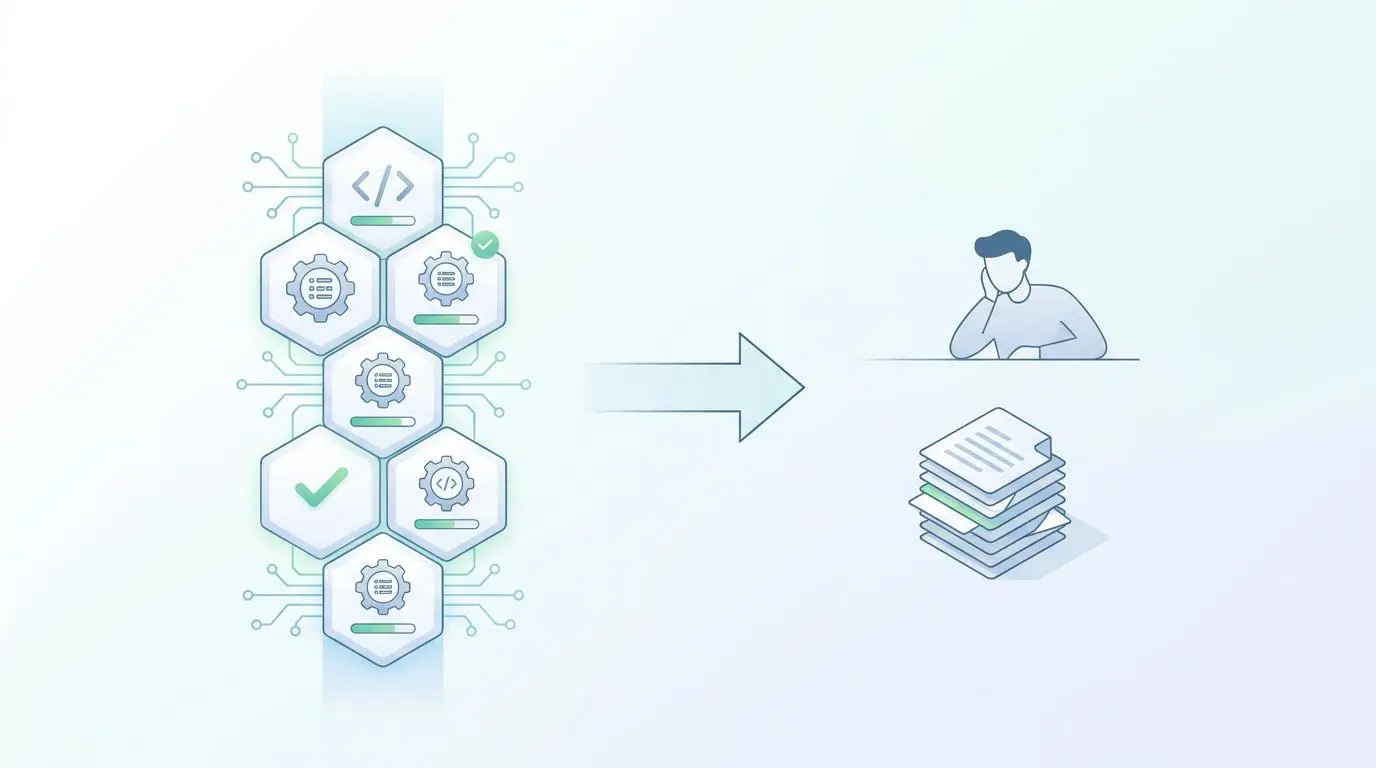
Modern workspaces empower developers to transition from simple natural language requirements to comprehensive multi-file pull requests in minutes. Tools like GitHub Copilot Workspace have democratized rapid prototyping, allowing ideas to become code almost instantly. However, this incredible speed introduces severe operational consequences.
These rapid-fire AI-generated pull requests often sit in review queues significantly longer than manually written code. Human reviewers simply struggle to validate the massive volume of code changes produced by their peers. The resulting reviewer fatigue means senior engineers cannot keep pace with the exponential increase in code volume.
Solving this requires robust integration with GitHub Actions to pre-validate logic before a human ever sees it. By automating unit tests and syntax checks immediately upon commit, teams can drastically reduce the cognitive load on human reviewers.
Shifting to Agentic Engineering
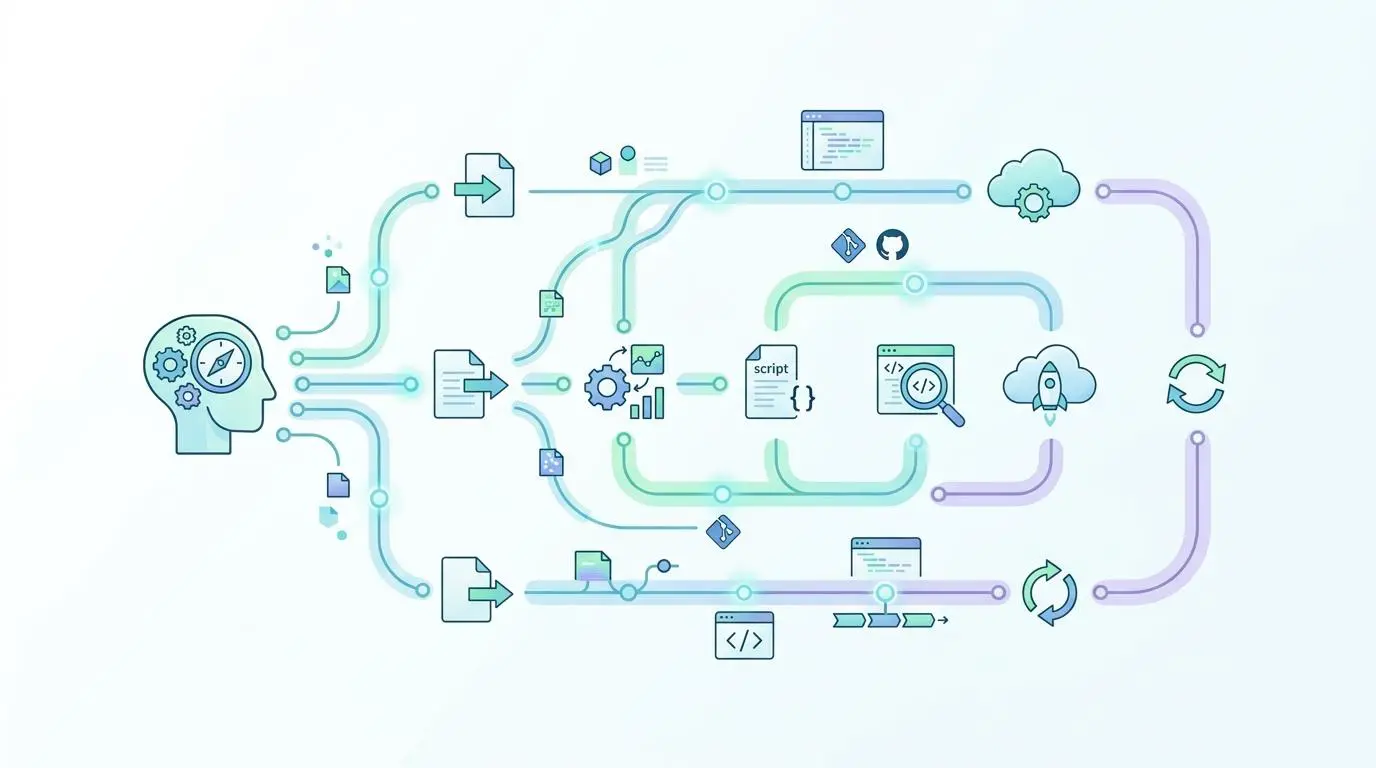
The software development workflow is rapidly shifting from simple autocomplete suggestions to fully autonomous agentic engineering. Intelligent agents now possess the capability to plan implementation steps and modify entire directory structures. They do not just write lines of code; they actively architect solutions.
These agents can autonomously trigger GitHub Actions to run unit tests, verifying their own logic against repository constraints. This evolution forces a fundamental change in how developers interact with their toolchains. The role of the engineer is transitioning from a writing-first approach to a supervision-first mindset.
However, this shift introduces real-world friction due to a lack of trust in autonomous logic. Teams must build transparent, observable pipelines where AI decisions are mathematically proven by automated tests. This rigorous validation ensures absolute confidence in the agent’s output.
Eliminating Invisible Verification Work
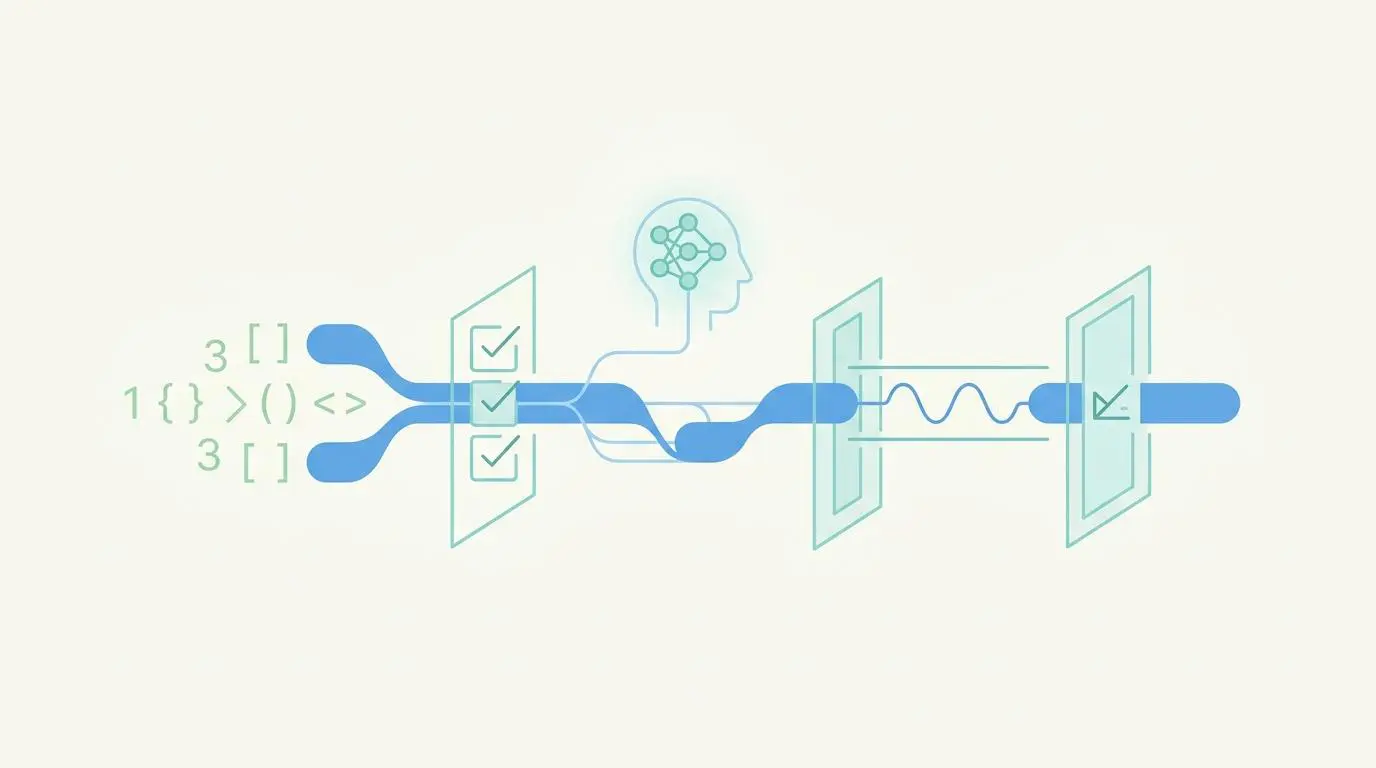
A significant portion of developer time is now consumed by invisible work, specifically the manual verification of AI-generated logic. Engineers constantly context-switch between their integrated development environments and external review tools. This disjointed workflow drains productivity and introduces unnecessary deployment delays.
This dynamic creates immense cognitive overload for senior developers who must audit AI output instead of focusing on high-level architecture. To mitigate this, the industry is embracing strongly typed languages to establish better control. TypeScript has overtaken Python largely because its strong typing provides clearer mathematical guardrails for AI agents.
By utilizing AI-native languages like TypeScript, teams can automate the verification process much more effectively. Strong typing allows GitHub Actions to catch structural errors instantly, eliminating the invisible work that plagues senior engineering talent.
Bypassing the Hallucinated Logic Trap
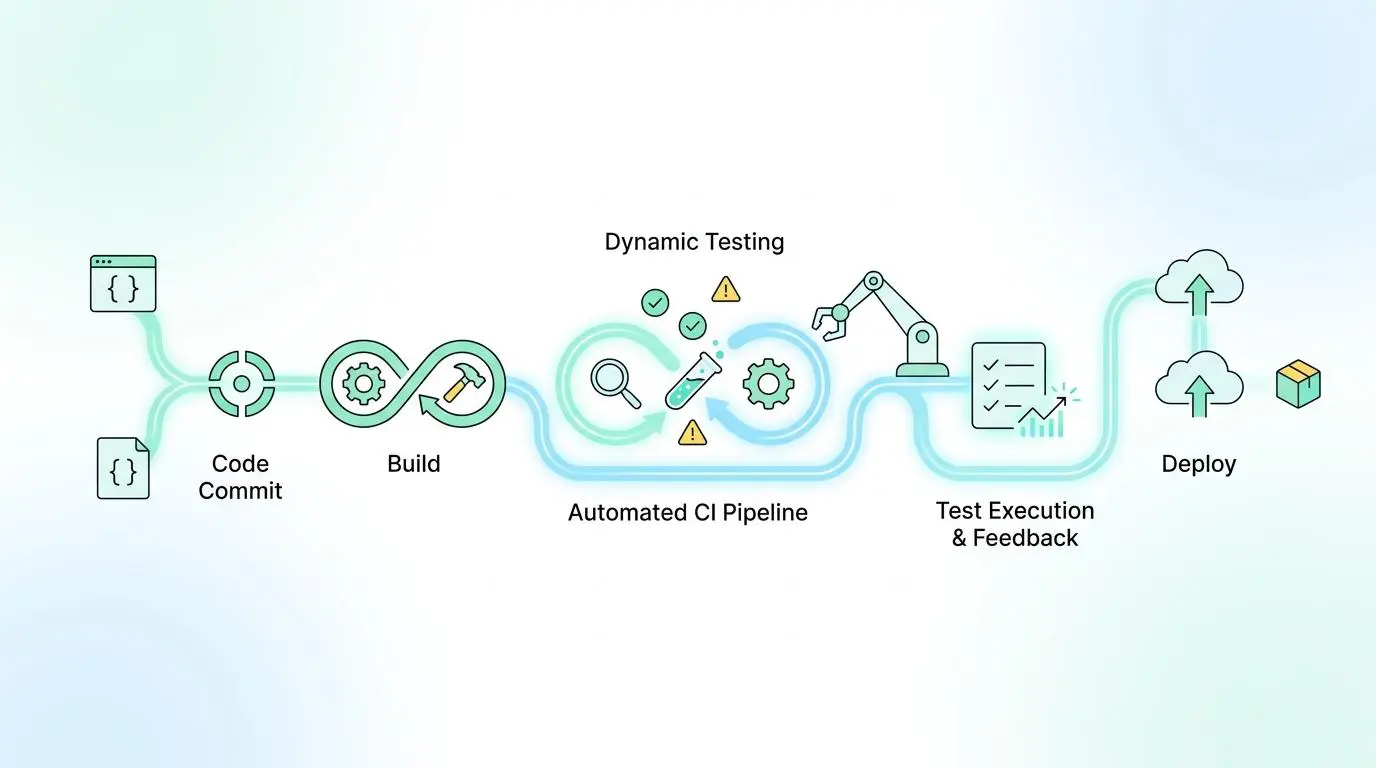
Traditional static analysis tools frequently fail to catch the nuanced logic flaws introduced by generative models. AI-generated code can easily pass basic syntax checks while containing deep-seated functional errors or architectural mismatches. This dangerous phenomenon is commonly known as the hallucinated logic trap.
Because AI systems lack true contextual understanding, they might suggest privilege escalation paths or insecure data handling methods that look syntactically perfect. Relying solely on legacy linting tools provides a dangerous false sense of security. Teams must upgrade their validation strategies to account for these unique AI-driven vulnerabilities.
Integrating dynamic testing through GitHub Actions ensures that code is executed and observed in a secure sandbox environment. This runtime validation is absolutely critical for catching hallucinated logic before it merges into the main branch.
Automating Security Guardrails
Manual security auditing simply cannot scale with the commit frequencies driven by modern AI assistants. Attempting to manually review every automated pull request inevitably leads to a massive accumulation of shadow AI security debt. To survive, enterprises must automate vulnerability remediation directly during the pull request phase.
Tools like GitHub Copilot Autofix and advanced architectural guardrails are being deployed to instantly patch vulnerabilities as they are detected. Task-specific AI agents now act as intelligent gatekeepers, enforcing strict security compliance within continuous integration pipelines.
By shifting security left and automating the remediation process, teams can maintain high velocity without sacrificing safety. This automated gating ensures that no code merges unless it strictly adheres to the organization’s defined security posture.
Connecting the Islands of Speed
While generative tools drastically reduce the time it takes to open a pull request, the net cycle time rarely improves if the merging process remains manual. Disconnected toolchains create isolated islands of speed where code is written fast but deployed slowly. The overall delivery pipeline remains stalled by legacy human approval processes.
True operational efficiency is only achieved when automated merging and AI-gated testing are fully integrated into a unified workflow. Successful engineering teams report significantly faster task completion rates when pairing Copilot Workspace with robust GitHub Actions workflows.
By bridging the gap between generation and deployment, organizations can finally realize the full return on investment from their AI tooling. Instant pull request merging transforms these isolated islands into a continuous and high-speed delivery highway.
The Zero-Human Repository Horizon
The trajectory of software engineering is moving rapidly toward the concept of zero-human repositories for routine maintenance. In the near future, AI agents will autonomously perform documentation updates, bug fixes, and dependency upgrades without requiring human intervention. These agents will rely on mathematical verification-as-code proofs to merge pull requests instantly and safely.
This evolution will free human engineers to focus entirely on creative problem-solving and architectural innovation. The organizations that embrace this fully automated lifecycle today will hold an insurmountable competitive advantage tomorrow.
Navigating the intersection of technology, workflows, and operational efficiency requires a sharp strategy. To future-proof your business architecture and scale with precision, connect with Andres at Andres SEO Expert.
Frequently Asked Questions
What is the asynchronous review gap in software engineering?
The asynchronous review gap is the productivity bottleneck that occurs when AI-driven code generation outpaces human verification, causing pull requests to sit idle in queues and slowing down the overall deployment pipeline.
How much has AI adoption increased code review times?
According to Faros AI 2026 research, human review time for pull requests has increased by 91% as engineering teams struggle to audit the massive volume of code generated by AI assistants, which 92% of US-based developers now use daily.
What are the primary security risks of AI-generated code?
Research indicates a 2.74x increase in vulnerabilities within AI-generated code. Common issues include the ‘hallucinated logic trap,’ where code is syntactically perfect but contains functional errors, architectural mismatches, or insecure data handling paths.
How does GitHub Actions help solve reviewer fatigue?
GitHub Actions automates the verification process by running unit tests, syntax checks, and security guardrails immediately upon commit. This pre-validation reduces the cognitive load on senior engineers, allowing them to focus on high-level architecture rather than boilerplate auditing.
Why is TypeScript preferred over Python for AI-driven development?
TypeScript has overtaken Python as a top language because its strong typing provides clear mathematical guardrails for AI agents. This structure allows automated testing pipelines to catch errors more effectively, reducing the invisible verification work required by human developers.
What is the Zero-Human Repository concept?
The Zero-Human Repository horizon describes an automated maintenance state where AI agents autonomously handle routine tasks like dependency upgrades, bug fixes, and documentation updates using verification-as-code proofs to merge changes without human intervention.