Key Points
- Autonomous Data Navigation: Agentic AI replaces complex manual queries with natural language processing to instantly isolate root causes across hybrid environments.
- Proactive Noise Suppression: Advanced observability platforms filter millions of daily telemetry events to eliminate false-positive alert storms and reduce SRE fatigue.
- Automated Regulatory Compliance: Modern AIOps workflows automatically scrub sensitive PII from log streams to ensure strict adherence to PCI DSS 4.0 and EU DORA mandates.
Table of Contents
- The Alert Storm Reality
- Quantifying the True Cost of Unplanned Outages
- Silencing the Noise of Modern Telemetry
- Deploying Autonomous Data Navigators
- Reclaiming Engineering Innovation Cycles
- Automating Compliance and Data Sanitization
- Accelerating Incident Resolution Metrics
- Transitioning to Self-Healing Ecosystems
- Orchestrating the Future of Infrastructure
The Alert Storm Reality
Picture this scenario: it is three in the morning on your most critical revenue day of the year, and your incident response channels are exploding with thousands of simultaneous telemetry alerts.
Your site reliability engineers are desperately scrolling through endless streams of raw application logs. They are trying to isolate the single failing microservice hidden deep within the noise.
This catastrophic observability gap occurs when the sheer volume of data produced by cloud-native systems completely outpaces human cognitive capacity.
The traditional approach of manually tailing logs and deciphering complex query languages is no longer a viable strategy for modern enterprise infrastructure.
To survive and scale, engineering teams must deploy AI-powered predictive log observability. This transforms passive monitoring into active, automated crash prevention.
Quantifying the True Cost of Unplanned Outages
Market Intelligence & Data
Average Cost of Downtime
According to a 2026 Splunk research report published in partnership with Oxford Economics, the financial toll of unplanned downtime for large organizations has surged to fifteen thousand dollars every sixty seconds.
Global 2000 Annual Downtime Impact
The aggregate cost of unplanned outages for Global 2000 companies has risen 50% since 2024, reaching a staggering six hundred billion dollars annually as of mid-2026 per Splunk’s ‘Hidden Costs of Downtime’ report.
Analyst Time Reclaimed
Operational data from Energent.ai in 2026 shows that analysts using high-tier AI log predictive models save an average of three hours per day by automating complex data consolidation and root cause forecasting.
AI Model Consumption Surge
Gartner’s May 2026 forecast indicates that enterprise consumption of AI models for multi-step automated processes has increased by one hundred and ten percent year-over-year as firms integrate agentic AI into their core operations.
The financial hemorrhage of fifteen thousand dollars per minute underscores a critical reality. Enterprises desperately need instantaneous threat detection and automated remediation workflows.
This massive global drain of six hundred billion dollars is frequently compounded by severe regulatory penalties. This happens when manual audit trails fail to meet strict frameworks like the Payment Card Industry Data Security Standard (PCI DSS) during catastrophic breaches.
By reclaiming three hours of manual analytical work daily, engineers are accelerating the evolution of AIOps toward self-healing infrastructure. This allows them to shift their focus from firefighting to strategic architecture.
This is precisely why enterprise consumption of autonomous data models has surged by one hundred and ten percent. It proves that algorithmic intervention is now a baseline operational requirement.
Silencing the Noise of Modern Telemetry
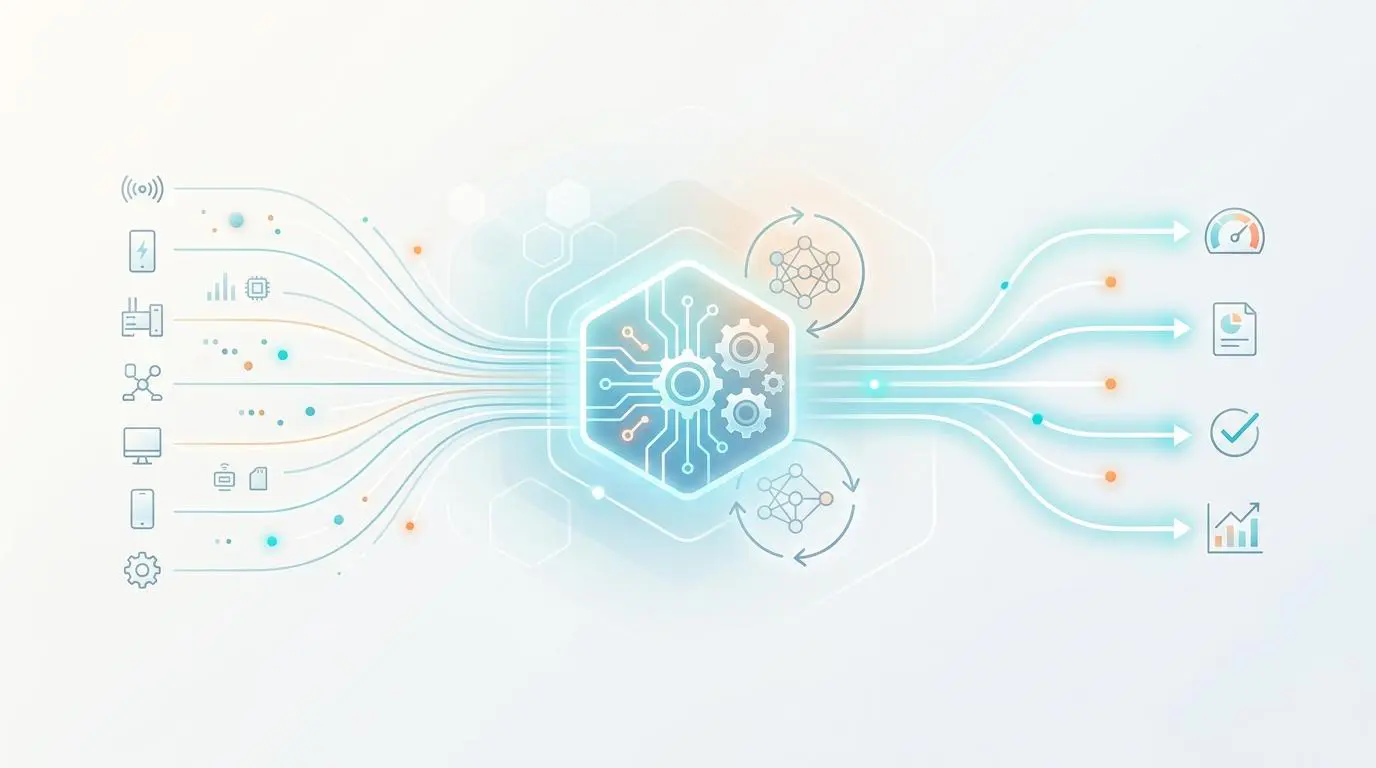
Modern IT teams are drowning in a sea of unstructured data. Mid-sized enterprises routinely generate millions of log events every single day.
Traditional monitoring tools and basic ELK stack dashboards surface every minor anomaly with equal urgency. This completely strips away contextual priority and overwhelms operators.
This lack of context forces SREs and DevOps teams into a reactive posture. They spend up to seventy percent of their valuable time manually triaging false-positive alerts.
By 2026, leading platforms have pivoted entirely toward intelligent noise suppression. This strategic shift is designed to eliminate severe alert fatigue once and for all.
Deploying Autonomous Data Navigators
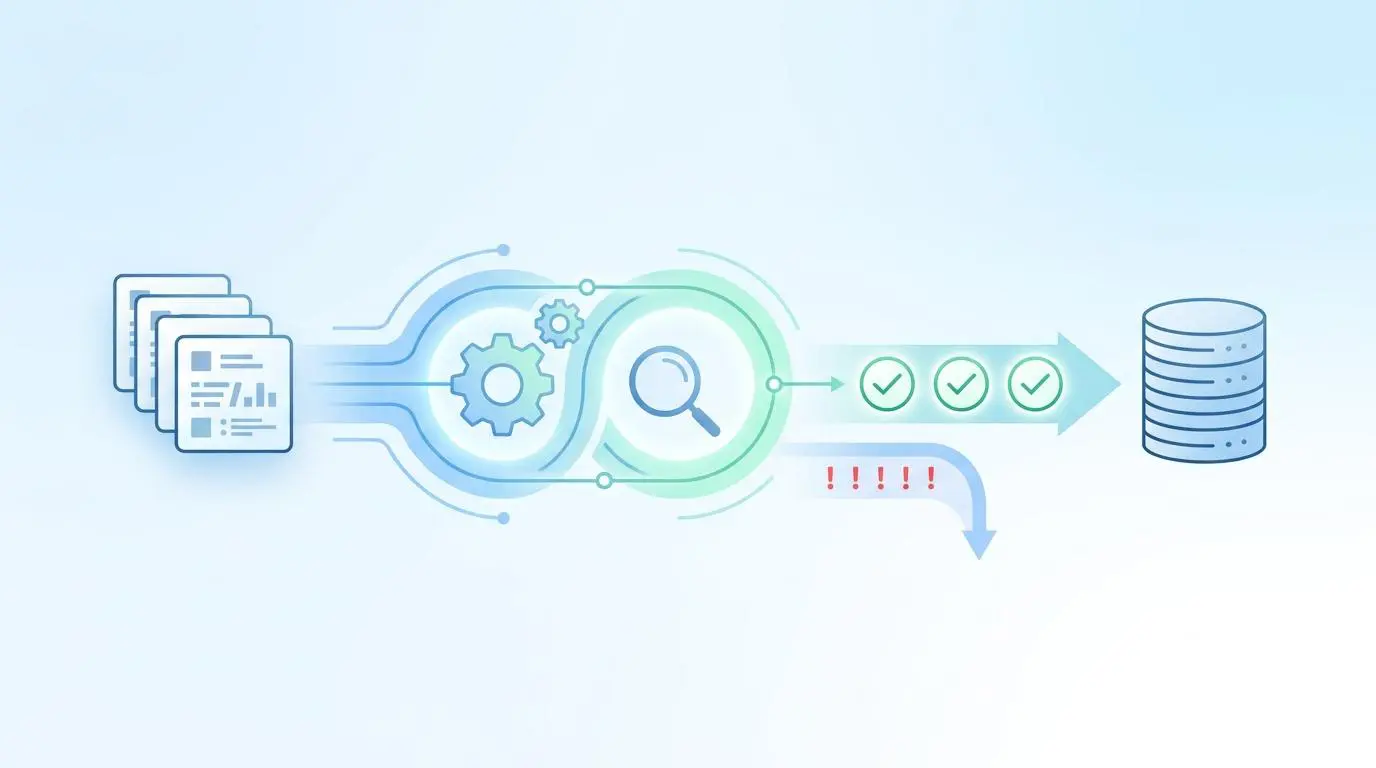
The exponential rise of agentic AI has fundamentally changed the operational landscape. It redefines how engineering teams interact with their vast telemetry lakes.
These advanced agents navigate and act upon complex data streams in real time. They go far beyond simply presenting static, unreadable text logs on a dashboard.
Modern platforms now feature autonomous assistants that utilize natural language processing. These tools correlate and visualize system anomalies instantly.
This completely removes a major operational bottleneck. Teams no longer require specialized knowledge in complex query languages just to extract basic root cause insights.
Reclaiming Engineering Innovation Cycles
Relying on manual incident response and chaotic war room cultures is incredibly expensive. It costs organizations an average of seven hundred thousand dollars annually in labor alone.
Furthermore, ninety-two percent of engineering teams report a massive drain on productivity. They are forced to deprioritize essential growth projects just to handle unplanned system outages.
Recent industry data reveals a staggering financial impact. Eleven percent of total Fortune 500 revenues are actively lost to these glaring operational inefficiencies.
Top-tier engineering talent is being squandered on repetitive log-tailing duties. This effectively destroys a company’s potential for technological innovation and market dominance.
Automating Compliance and Data Sanitization
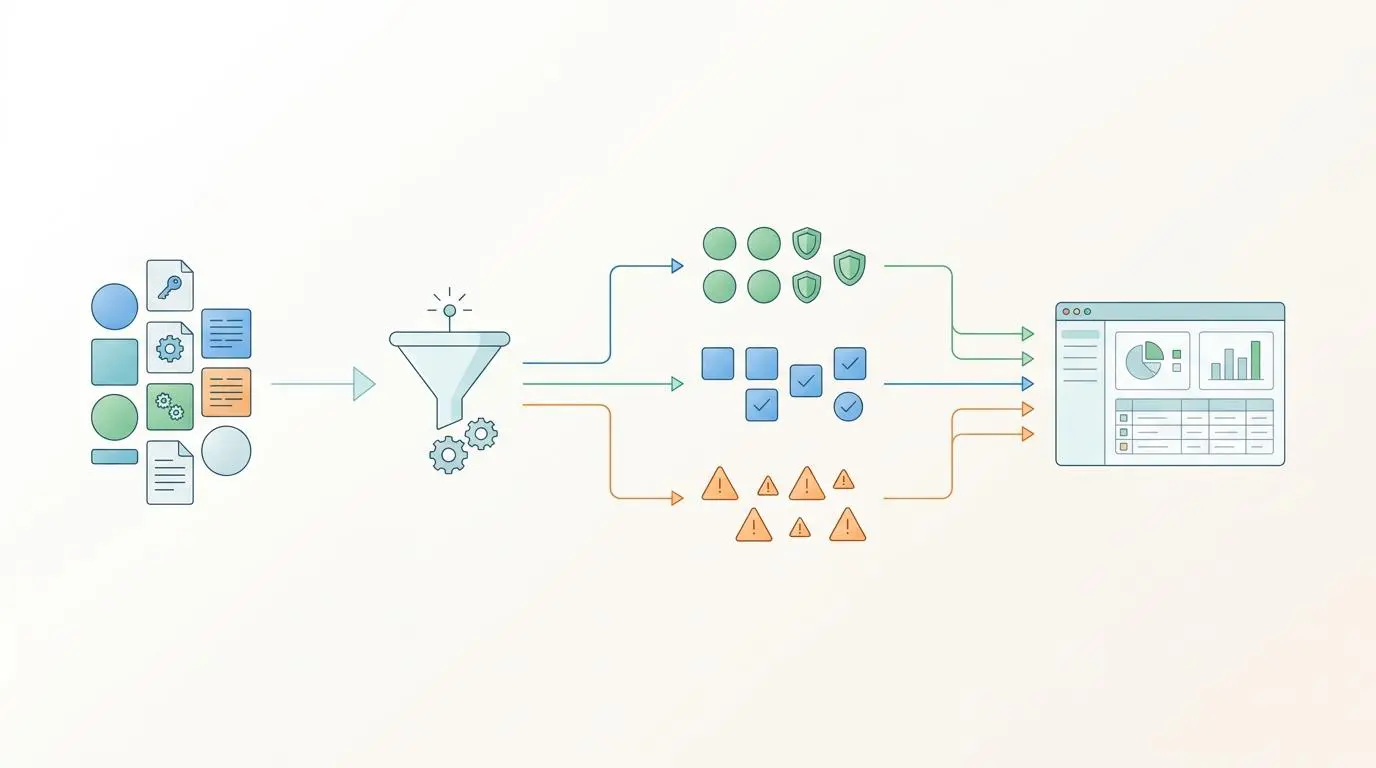
Regulatory shifts across the globe now mandate automated log reviews. The sheer scale of cloud data makes manual auditing mathematically impossible for modern enterprises.
A critical milestone was reached recently when the PCI Security Standards Council updated Requirement 10. This explicitly legitimized automated AI log analysis as a valid alternative to manual audit trail reviews.
This regulatory shift transformed artificial intelligence from an operational luxury into a strict necessity. It is now a primary mechanism for global compliance and governance.
To prevent massive GDPR liabilities, modern AI log analysis tools now include automated PII scrubbing. This ensures sensitive customer data never enters large language model training sets.
Accelerating Incident Resolution Metrics
Traditional resolution metrics are failing modern enterprises. Complex microservices often go down much faster than humans can even log into their monitoring dashboards.
Organizations utilizing automated incident response pipelines are seeing massive performance gains. They currently resolve critical infrastructure failures seventy-eight minutes faster than those relying on manual workflows.
Modern AI data agents can now parse completely unstructured documentation. They cross-reference this data with historical logs at incredible speeds to find immediate solutions.
Recent benchmarks demonstrate a model precision of over ninety-four percent. These advanced systems are incredibly accurate when forecasting the exact root cause of an impending crash.
Transitioning to Self-Healing Ecosystems
The industry is rapidly approaching a critical inflection point. We are moving away from passive observability toward fully autonomous orchestration.
AI agents are shifting from being helpful experts over the shoulder. They are becoming active, independent supervisors of entire hybrid cloud environments.
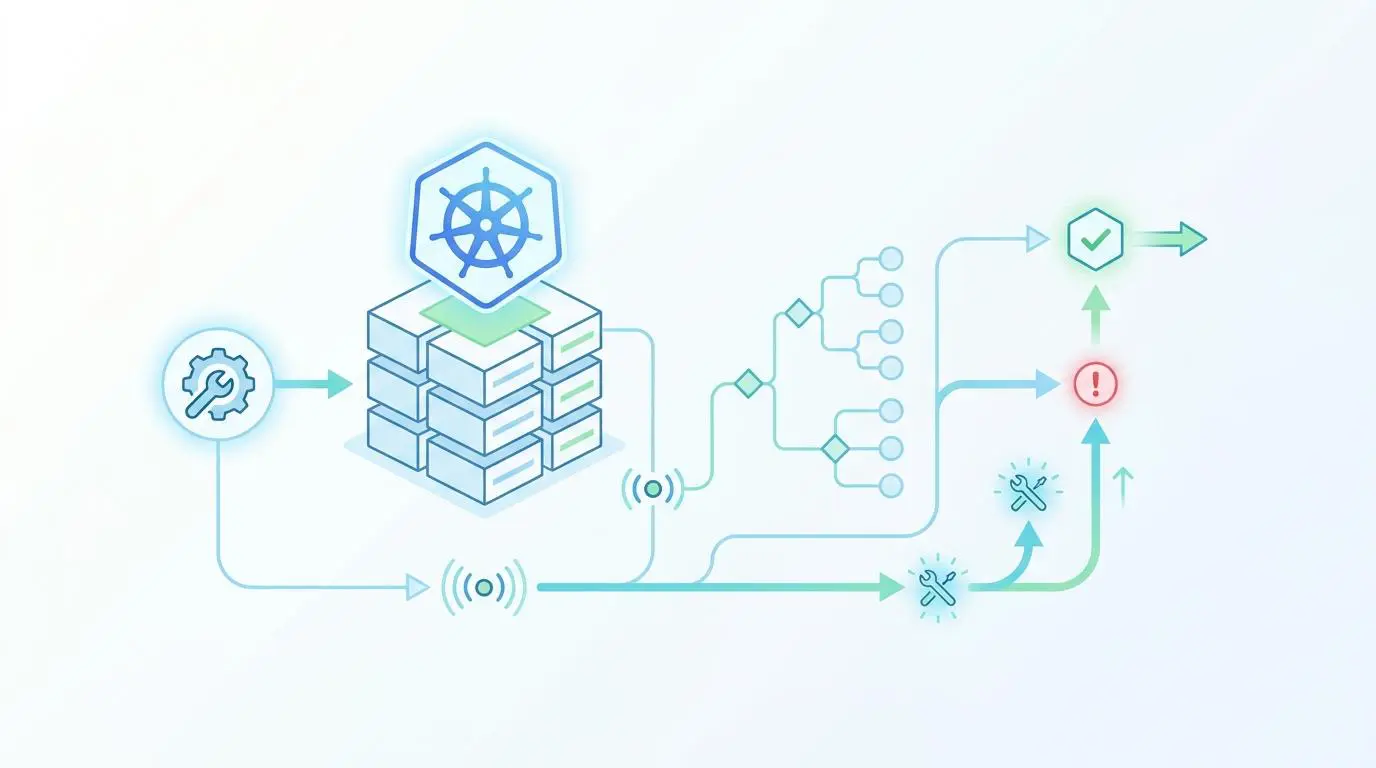
These advanced models do not just trigger alerts. They autonomously plan and execute complex, multi-step remediations using Kubernetes operators.
This automated patching eliminates the dangerous delay between detecting a failure and applying a fix. It effectively neutralizes the primary driver of extended downtime costs.
Orchestrating the Future of Infrastructure
The era of manually sifting through endless telemetry streams to prevent system crashes has officially come to an end.
By deploying intelligent predictive observability, enterprises can finally break free from alert fatigue. They can transform their infrastructure into a resilient, self-healing ecosystem.
The teams that embrace this autonomous transition will reclaim countless hours of engineering talent. They will secure an insurmountable competitive advantage in the digital marketplace.
Navigating the intersection of technology, workflows, and operational efficiency requires a sharp strategy. To future-proof your business architecture and scale with precision, connect with Andres at Andres SEO Expert.
Frequently Asked Questions
What is the average cost of unplanned downtime for modern enterprises?
According to 2026 industry research, the financial impact of unplanned downtime for large organizations has surged to fifteen thousand dollars per minute, resulting in an aggregate annual loss of six hundred billion dollars for Global 2000 companies.
How much time can site reliability engineers save by using AI log observability?
Operational data indicates that engineers using high-tier AI log predictive models reclaim an average of three hours per day by automating complex data consolidation and root cause forecasting instead of manually triaging alerts.
Is automated AI log analysis compliant with PCI DSS standards?
Yes, the PCI Security Standards Council updated Requirement 10 to explicitly legitimize automated AI log analysis as a valid alternative to manual audit trail reviews, making AI a primary mechanism for global compliance and governance.
How does agentic AI improve incident response metrics?
Organizations utilizing automated incident response pipelines currently resolve critical infrastructure failures seventy-eight minutes faster than those relying on manual workflows, with AI models achieving over ninety-four percent precision in forecasting root causes.
What are self-healing infrastructure ecosystems?
Self-healing ecosystems represent a transition from passive observability to autonomous orchestration where AI agents act as independent supervisors, planning and executing multi-step remediations via Kubernetes operators without human intervention.
How does AI address the challenge of alert fatigue and noise?
AI-powered platforms eliminate alert fatigue by utilizing intelligent noise suppression and natural language processing to correlate millions of unstructured log events, providing the contextual priority that traditional monitoring tools lack.