Key Points
- Event-Driven Shifts: Transitioning from batch processing to event-driven architectures eliminates the ghost inventory crisis and prevents digital overselling.
- Autonomous Reconciliation: AI agents now actively monitor sync logs to correct SKU mapping errors and reconcile unstructured POS data in real time.
- Edge-Native Resilience: Emerging ERP connectors ensure local delta-sync caching during internet outages to prevent critical data loss in high-density retail corridors.
Table of Contents
The Ghost Inventory Trap
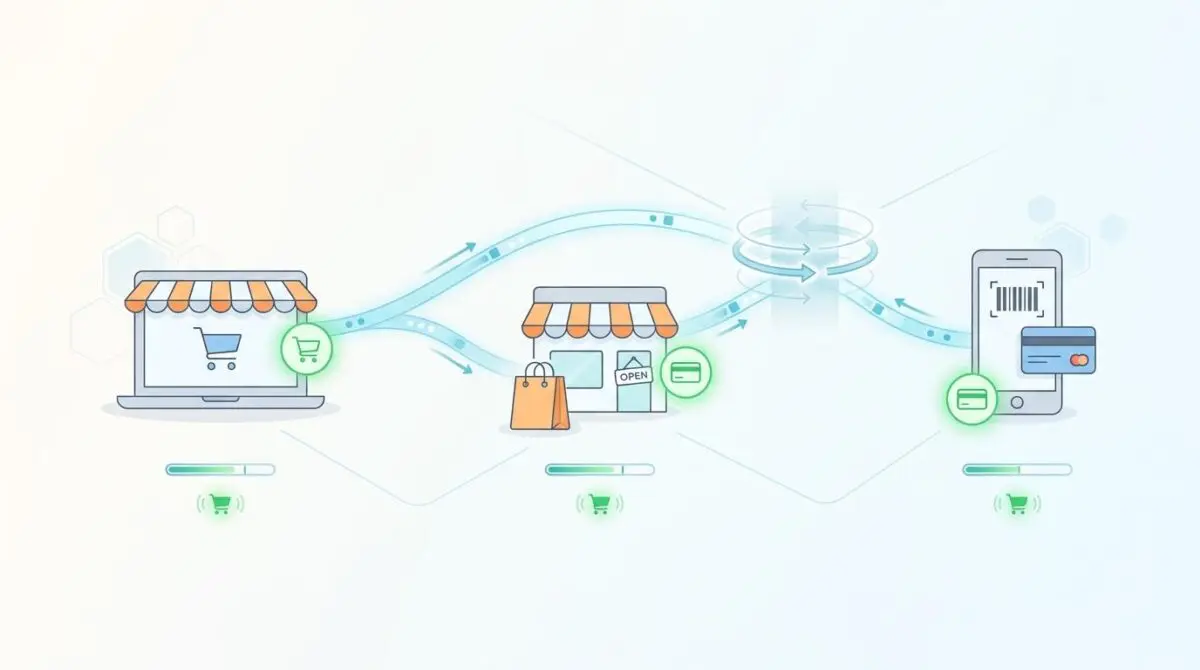
Picture this: a customer walks into your flagship store, buys the last premium jacket off the rack, and leaves thrilled. Meanwhile, your e-commerce site still shows that exact jacket as available, leading an online shopper to purchase a ghost item that no longer exists. This asynchronous data lag between physical storefronts and digital warehouses results in overselling, high return rates, and fragmented financial reporting.
Implementing an omnichannel POS-to-ERP event-driven synchronization is the ultimate solution to reclaim time and protect your brand reputation. By moving away from delayed batch updates, you ensure every terminal and digital cart speaks the exact same language instantly. This seamless integration transforms a chaotic, disconnected retail environment into a unified, high-performance commerce engine.
Quantifying the Omnichannel Lag
Market Intelligence & Data
Reduction in Phantom Inventory
According to a 2025 Retail Systems Research (RSR) report, real-time syncing lowered instances of non-existent stock listings by 28% for omnichannel brands.
Enterprise Adoption of Event-Driven Sync
A 2026 Gartner Retail CIO survey indicates that 65% of Tier 1 retailers have transitioned from batch-uploading to event-driven ERP synchronization.
Annual Manual Data Entry Loss
Retail Dive reported in 2025 that the industry loses over $15 billion annually due to labor costs and errors associated with manual POS-to-ERP data entry.
CSAT Score Correlate
The 2026 Shopify Commerce Trends report found that brands with sub-1-minute sync latency between store and site saw a 94% increase in customer satisfaction scores.
The 28% drop in phantom inventory signifies a massive shift in how brands manage physical and digital stock availability. When you eliminate the gap between a swipe at the register and the stock count in the warehouse, you stop selling items you do not actually have. This real-time visibility is made possible by robust API-led connectivity from POS to ERP systems, ensuring every system reflects the absolute operational truth.
The fact that 65% of Tier 1 retailers have abandoned batch-uploading proves that overnight syncs are no longer viable for modern commerce. Event-driven architectures allow these massive enterprises to process high-velocity sales without crashing their legacy databases. This transition turns sluggish, reactive supply chains into agile networks that respond to consumer demand instantly.
Losing over $15 billion annually to manual data entry is a staggering hidden tax on the global retail industry. Store managers and accounting teams waste countless hours cross-referencing spreadsheets to fix human errors made during frantic store hours. Automating this flow eradicates these costly mistakes and frees up your staff to focus on actual customer experience rather than tedious paperwork.
A 94% boost in customer satisfaction scores directly highlights the consumer demand for flawless omnichannel experiences. When inventory is accurate, customers trust your brand, whether they are buying online to pick up in-store or browsing your digital catalog. Maintaining this trust also means securing their data properly, which is why modern sync flows strictly adhere to the latest PCI DSS v4.0.1 documentation to keep sensitive information safe.
Engineering the Synchronization Flow
Escaping the End-of-Day Reconciliation
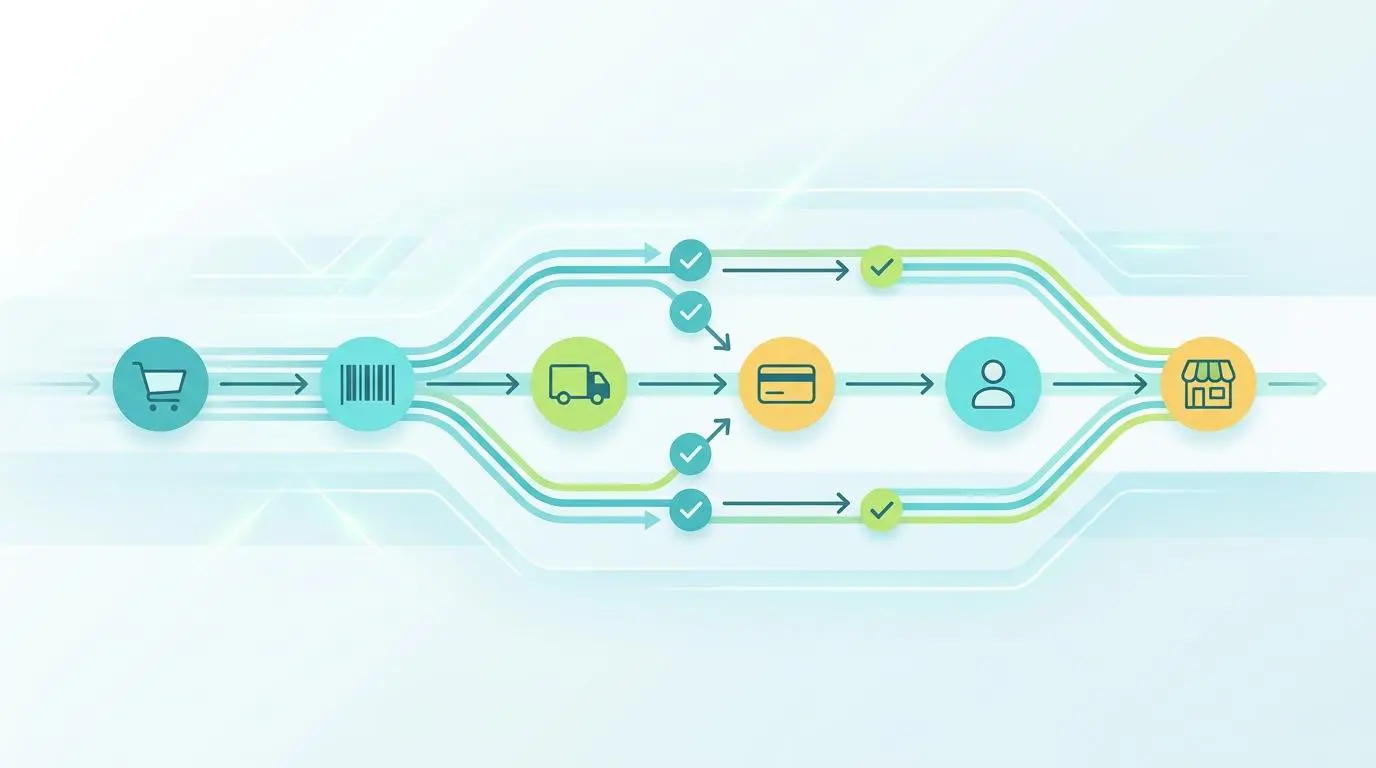
Retailers frequently face agonizing 4-to-24-hour sync delays that cripple operational visibility. The manual effort of End of Day reconciliation forces store managers to stay late, manually verifying cash-to-cloud totals while fighting exhaustion. This outdated process is a breeding ground for human error and operational burnout.
Modern tech stacks now utilize Webhooks and Change Data Capture to eliminate this daily friction entirely. These tools move transaction data instantly from POS systems like Shopify POS or Square directly into ERPs like NetSuite or SAP. The moment a receipt prints, the financial ledger is already perfectly balanced.
Building Resilient Data Pipelines

Legacy ERP systems often suffer from severe API rate limiting that causes them to crash when high-volume holiday sales flood the sync pipeline. When Black Friday hits, these brittle connections drop critical transaction data, leaving accounting teams completely blind. The solution lies in shifting entirely from batch processing to robust event-driven architectures.
Integration platforms like Celigo, Mulesoft, and Boomi act as intelligent traffic controllers for your data streams. By leveraging message brokers like Kafka or AWS EventBridge, a single sale at a physical terminal triggers a dozen downstream updates simultaneously. This means tax calculations, loyalty point accruals, and logistics routing all happen instantly without overwhelming the core database.
Deploying AI for SKU Mapping
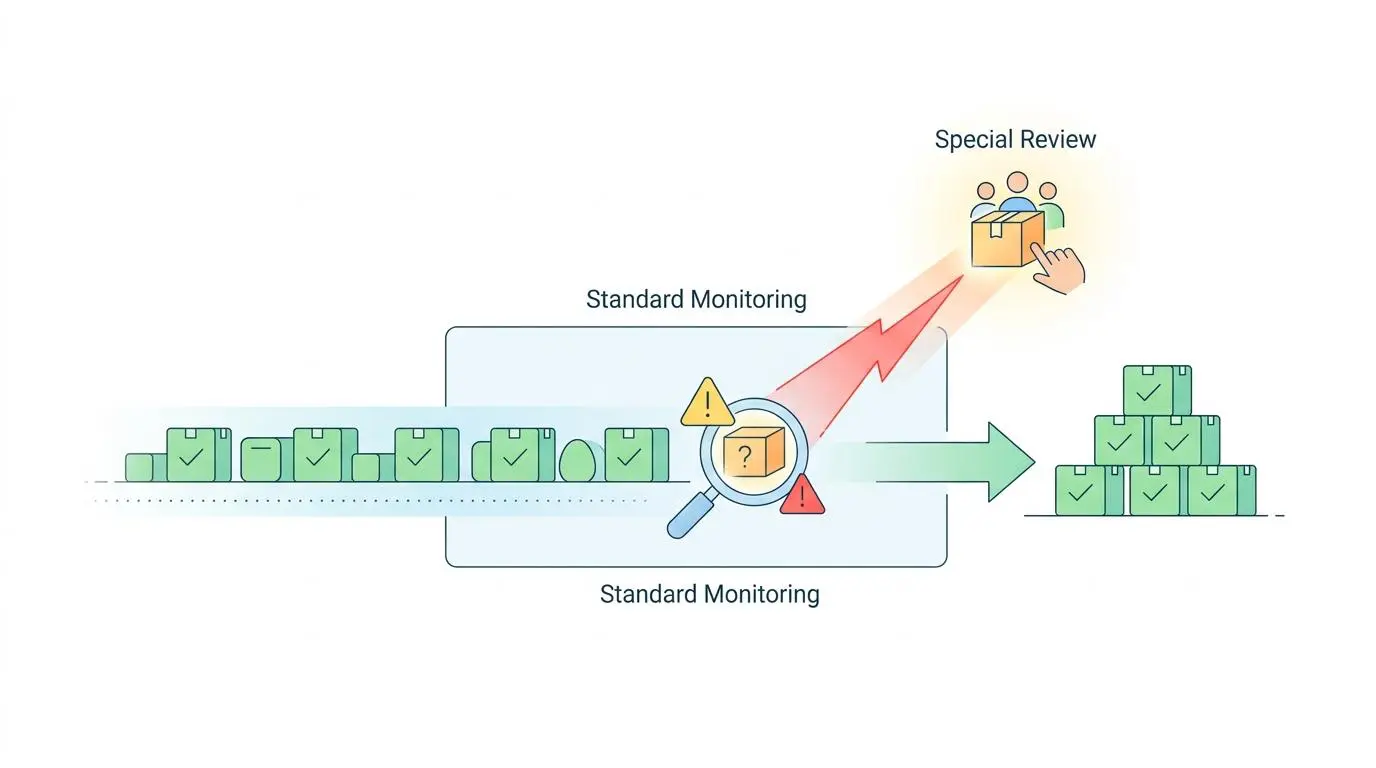
Unstructured data in POS notes fields, such as a cashier typing a custom discount reason, creates absolute chaos for legacy ETL flows. Traditional data pipelines cannot interpret these human nuances without manual intervention, causing financial audits to stall indefinitely. This is where autonomous agents step in to bridge the gap between human input and machine logic.
Built on frameworks like LangChain or Microsoft Copilot Studio, these AI agents actively monitor sync logs for SKU mapping errors. They autonomously correct uncategorized items and parse unstructured notes into structured discount codes. A 2026 Deloitte Tech Trends report even highlights invisible reconcilers that cross-reference POS logs against bank settlement files in micro-seconds to detect internal shrinkage.
Eradicating the Manual Labor Tax

Human error during manual stock counts inevitably leads to incorrect tax filings and exposes businesses to severe compliance penalties. A 2025 operational audit found that manual inventory adjustments cost mid-market retailers an average of $85,000 annually in labor alone. Paying skilled employees to act as human calculators is an unsustainable drain on corporate resources.
Automation flips this paradigm by introducing a strict management by exception model. Your team only intervenes when the system flags a highly complex anomaly, rather than babysitting every routine transaction. This shift not only recovers tens of thousands of dollars but dramatically improves overall employee morale.
Securing Transactional Data in Transit
Syncing data across platforms introduces the severe risk of exposing customer credit card data within the ERP accessible order history logs. As data moves from the terminal to the cloud, it passes through multiple vulnerable checkpoints. The 2026 PCI-DSS mandates strictly monitored data-in-transit to combat these emerging digital threats.
Advanced sync flows now utilize sophisticated data redaction filters to guarantee compliance and protect consumer privacy. These filters ensure that sensitive customer names and payment details stay securely locked in the POS environment. Only the sanitized, aggregate transactional totals are permitted to reach the ERP for financial reporting.
The Edge-Native Retail Horizon
Store downtime and lost sales data during ISP outages remain a massive vulnerability in remote or high-density retail corridors. When the internet drops, traditional cloud-dependent POS systems freeze, bringing physical commerce to a grinding halt. To combat this, edge-native ERP connectors are emerging as the new standard for resilient retail architecture.
These edge connectors allow POS hardware to process and cache delta-syncs locally during internet blackouts. As soon as connectivity returns, the system executes a rapid burst sync without dropping a single byte of data. This ensures uninterrupted operations and flawless data integrity regardless of local network stability.
Predictive Balancing and Beyond
By late 2026, ERP syncing will evolve from reactive logging to predictive balancing. AI agents will autonomously move inventory between physical stores based on real-time POS velocity signals before a stockout even occurs. This proactive approach ensures that supply always perfectly meets demand, maximizing revenue and eliminating warehouse bottlenecks.
Navigating the intersection of technology, workflows, and operational efficiency requires a sharp strategy. To future-proof your business architecture and scale with precision, connect with Andres at Andres SEO Expert.
Frequently Asked Questions
What is ghost inventory and how does it affect omnichannel retail?
Ghost inventory refers to a data lag where an item is sold in a physical store but remains listed as available on digital platforms. This asynchronous discrepancy leads to overselling, increased return rates, and fragmented financial reporting, ultimately damaging brand reputation.
What are the advantages of event-driven ERP synchronization over batch-uploading?
Event-driven synchronization uses Webhooks and Change Data Capture to update systems instantly as transactions occur. Unlike batch-uploading, which involves 4-to-24-hour delays, event-driven architecture ensures real-time inventory accuracy and prevents legacy database crashes during high-velocity sales events like Black Friday.
How does real-time inventory syncing improve customer satisfaction?
Research shows that brands with sub-1-minute sync latency between physical stores and digital sites experience a 94% increase in customer satisfaction scores. Real-time visibility ensures that customers can trust stock availability for services like buy-online-pick-up-in-store (BOPIS).
How do AI agents assist with SKU mapping and retail data reconciliation?
AI agents, built on frameworks like LangChain, autonomously monitor sync logs to correct SKU mapping errors and parse unstructured data from POS notes into structured formats. These agents can also perform “invisible reconciliation” by cross-referencing POS logs with bank settlement files to detect shrinkage in microseconds.
What is edge-native retail architecture and why is it important?
Edge-native architecture allows POS hardware to process and cache data locally during internet or ISP outages. Once connectivity returns, the system executes a burst sync to the ERP, ensuring that physical stores can continue processing sales without data loss or operational downtime.
How does POS-to-ERP synchronization ensure PCI DSS compliance?
Advanced synchronization flows utilize data redaction filters to ensure that sensitive customer credit card information and personal details stay within the secure POS environment. Only sanitized, aggregate transactional totals are transmitted to the ERP, adhering to the latest PCI DSS v4.0.1 security standards.