Key Points
- Reasoning-First Extraction: Modern agents bypass competitor ghost prices and CAPTCHAs using dynamic ReAct architectures instead of static scraping.
- Outcome-Based Efficiency: Transitioning to agentic workflows slashes the cost of operation by 92% compared to traditional, per-seat human research teams.
- Middleware Protection: Implementing mandatory price floor guardrails prevents autonomous systems from triggering catastrophic recursive price wars.
Table of Contents
- The Invisible Tax on Your Gross Margins
- The Financial Impact of Real-Time Telemetry
- Bypassing Ghost Prices with Reasoning-First Systems
- Eradicating Monday Morning Data Decay
- Slashing Operations Costs with Outcome-Based Scaling
- Installing Middleware Guardrails Against Recursive Price Wars
- Overcoming the Trust Tax with Slack Approvals
- The Dawn of Machine-to-Machine Marketplace Negotiations
- Predicting Competitor Psychology with Agent Swarms
The Invisible Tax on Your Gross Margins
The hidden tax on your daily operations is not inflation or supply chain friction. It is the agonizing 48 hours it takes to notice a competitor’s price drop. In the modern digital storefront, pricing latency drift is a silent killer of revenue.
While human analysts are sleeping or compiling spreadsheets, AI-led competitors are adjusting their buy-box positions in milliseconds. This delay renders your meticulously crafted pricing strategy obsolete before the ink is even dry.
To reclaim those lost margins and eliminate manual errors, organizations are turning to Autonomous Agentic Market Intelligence (AAMI). This framework shifts the burden of end-to-end competitor pricing research from exhausted teams to tireless, reasoning-first systems.
The Financial Impact of Real-Time Telemetry
Market Intelligence & Data
Gross Margin Lift
According to a 2026 report from Careertrainer.ai, retail brands employing autonomous agents for dynamic pricing see an average gross margin increase of 2-5%.
Enterprise Implementation
A 2025 PwC survey cited by Nevermined indicates that 85% of enterprises are expected to have implemented autonomous AI agents into their core research workflows by the end of 2026.
Agent-Mediated Revenue
McKinsey estimates in 2026 that the US retail market alone could realize up to $1 trillion in orchestrated revenue through agentic commerce systems.
Agentic Referral Growth
According to 2025 Adobe research, AI-referred traffic to retail sites from autonomous shopping agents surged by 805% year-over-year during peak shopping seasons.
Dynamic pricing powered by autonomous agents is fundamentally reshaping retail profitability. By eliminating the lag between market shifts and organizational response, brands are capturing margins previously lost to slower competitors.
This rapid adaptability translates directly to the bottom line. It turns your pricing strategy into a continuous revenue engine. The transition toward agentic workflows is no longer a fringe experiment reserved for tech giants.
Massive organizational shifts are underway as enterprises integrate these systems into their core research frameworks. This rapid adoption rate signals a point of no return for manual data collection.
The sheer volume of capital flowing through agent-orchestrated systems is staggering. In fact, McKinsey projects the US retail market alone could see up to $1 trillion in orchestrated revenue from agentic commerce.
This metric highlights the immense financial upside for early adopters who successfully deploy these autonomous frameworks. Consumer behavior is rapidly evolving to match the speed of these new backend systems.
As a prime example, Adobe Analytics reported an 805% spike in AI-driven traffic to retail websites. This explosive growth proves that autonomous shopping agents are actively seeking out the best deals.
These systems reward the fastest-reacting sellers with massive influxes of high-intent buyers.
Bypassing Ghost Prices with Reasoning-First Systems
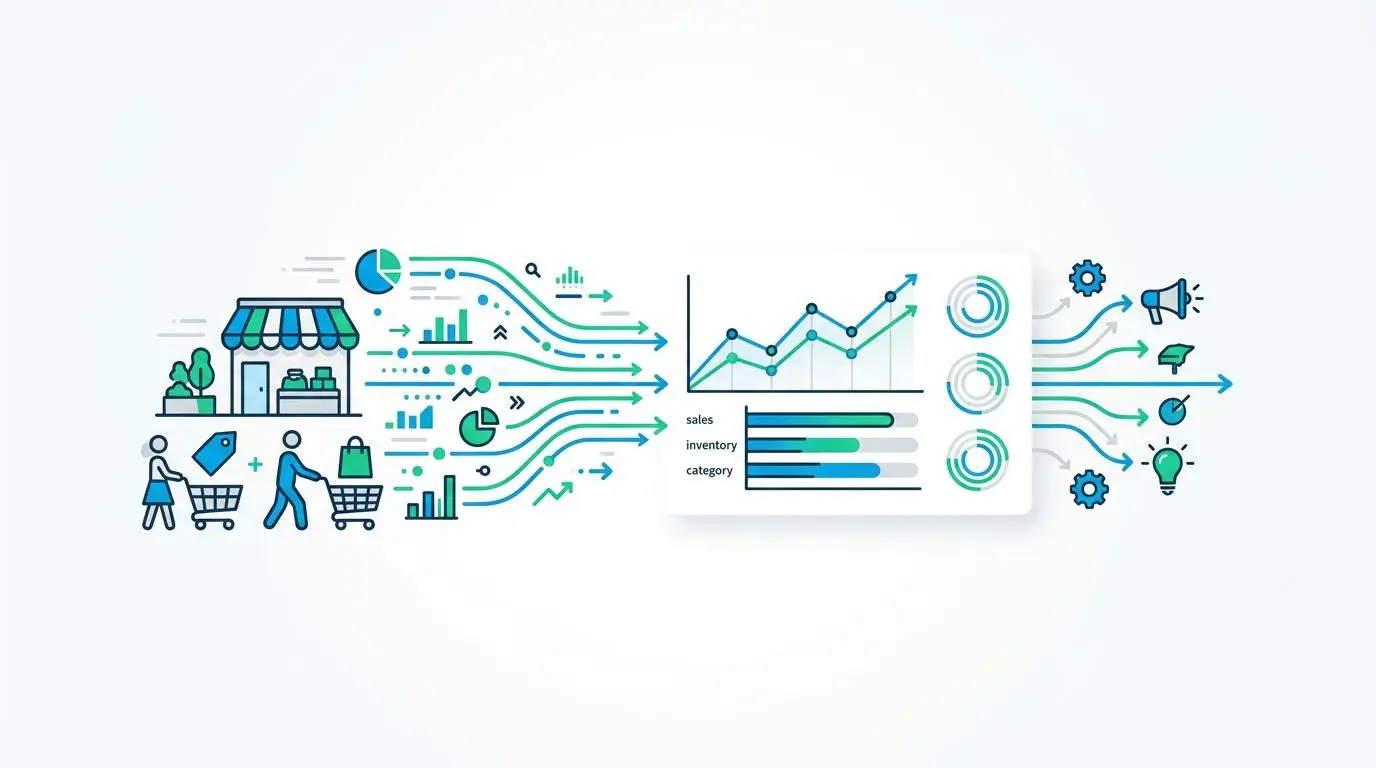
The transition from simple prompt-reliant AI to truly autonomous agents is revolutionizing how we extract stealth data. Older scraping tools simply pull raw HTML.
These legacy tools fall victim to non-standard tables and ghost prices deliberately set by competitors to mislead simple scrapers. Today, we deploy multi-agent systems using frameworks like LangGraph and Browse AI to navigate these traps.
Unlike the basic chatbots of 2024, modern agents utilize reasoning-first architectures like ReAct. This allows them to pause, analyze the context of a webpage, and dynamically solve CAPTCHAs without any human intervention.
The system literally thinks its way through digital roadblocks to retrieve the true market price.
Eradicating Monday Morning Data Decay
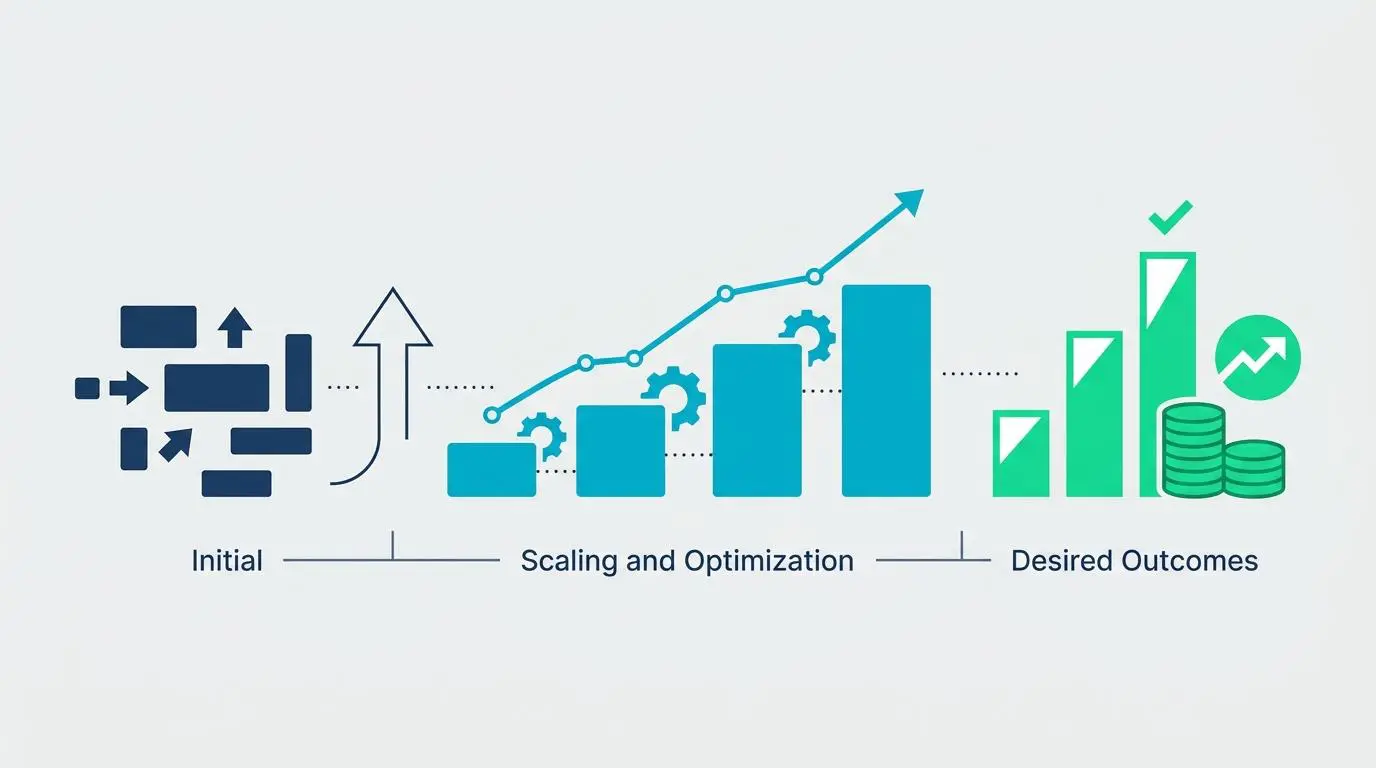
For years, human analysts have endured a grueling weekly cycle. They spend countless hours parsing competitor PDFs and massive spreadsheet exports.
This manual report generation is inherently obsolete by the time the final document reaches the executive team. The market has already moved on, leaving leadership to make decisions based on decayed data.
Agentic workflows completely solve this data decay problem by providing live, actionable telemetry around the clock. Instead of weekly updates, these systems scan over 10,000 SKUs across 50 different marketplaces every single hour.
The result is a continuous, living dashboard of competitive intelligence.
Slashing Operations Costs with Outcome-Based Scaling
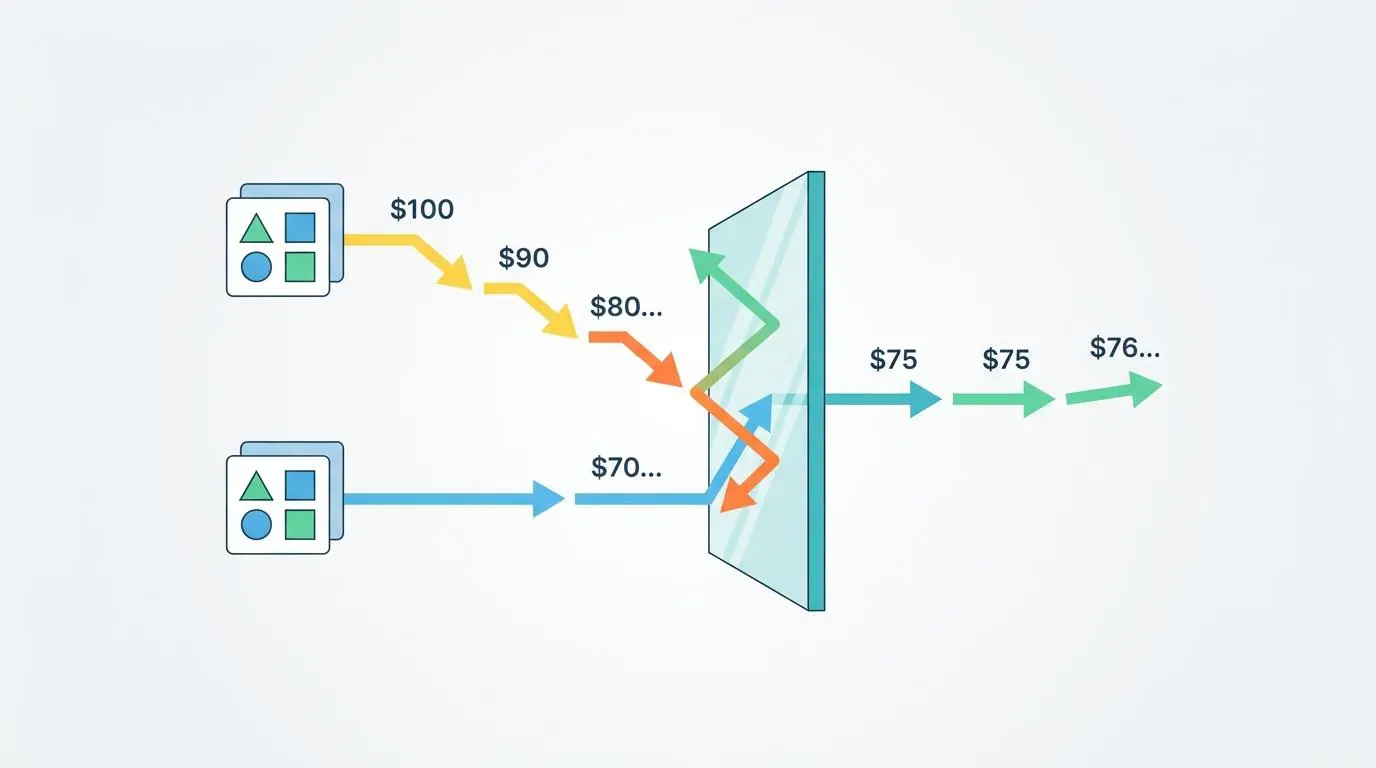
The massive labor cost of scaling research teams to monitor global, multi-currency marketplaces in real-time has always been a barrier to entry. Enterprises are now shifting aggressively from traditional per-seat SaaS costs to outcome-based pricing models.
In a major 2025 shift, 40% of B2B SaaS vendors eliminated per-seat licensing in favor of outcome-based pricing models because autonomous agents do not require traditional user logins, rendering the seat metric obsolete for enterprise valuation. Source: Gartner 2025/2026.
This shift renders the old software seat metric entirely obsolete for enterprise valuation and procurement. Tools like Relevance AI and Agentforce now allow for 24/7 competitive monitoring.
This operates at a cost that is 92% lower than maintaining a dedicated market research team. You pay for the intelligence gathered, not the digital chairs occupied.
Installing Middleware Guardrails Against Recursive Price Wars

Deploying autonomous agents without proper oversight is a recipe for catastrophic financial loss. Agents lacking hallucination guardrails can easily trigger recursive price wars.
They might rapidly drop your product prices to a single penny in a misguided attempt to win the buy-box. Unmanaged agentic sprawl also leads to API rate-limit bans and severe legal violations on competitor storefronts.
To prevent this, the implementation of price floor middleware is now a standard requirement in modern architectures. This protective layer ensures that no matter what the agent calculates, the final price never dips below your absolute profitability threshold.
Automated rate-limit handling further ensures your stealth data extraction remains invisible and compliant.
Overcoming the Trust Tax with Slack Approvals
The biggest operational slowdown in high-stakes pricing environments is the Trust Tax. This is the human fear of fully autonomous decision-making.
To bridge this gap, organizations are shifting to a Human-on-the-Loop model. The agents execute all the heavy lifting, gathering data and drafting comprehensive strategy reports.
However, the final execution of major price-strategy pivots remains in human hands. Human architects use simple Slack-integrated approval buttons to review and authorize the agent’s recommendations.
This workflow eliminates the friction of research while maintaining absolute executive control over the final market move.
The Dawn of Machine-to-Machine Marketplace Negotiations
We are rapidly approaching the collapse of traditional SEO and advertising. AI agents are beginning to handle the majority of product discovery and transaction logic.
The future horizon is dominated by the rise of machine-to-machine marketplace negotiations. By late 2026, B2B pricing agents will negotiate bulk deals directly with B2C buying agents in sub-second auction environments.
This shift means your pricing strategy must be machine-readable and instantly adaptable. Organizations that fail to integrate these agentic workflows will simply become invisible to the AI systems making purchasing decisions.
Predicting Competitor Psychology with Agent Swarms
By the end of 2026, we will witness the emergence of Predictive Agent Swarms that transcend simple reactive pricing. These advanced systems will run complex Monte Carlo simulations.
They will predict a competitor’s psychological response to a proposed price change before it is even executed. This level of foresight transforms market intelligence from a defensive necessity into an offensive weapon.
Navigating the intersection of technology, workflows, and operational efficiency requires a sharp strategy. To future-proof your business architecture and scale with precision, connect with Andres at Andres SEO Expert.
Frequently Asked Questions
What is Autonomous Agentic Market Intelligence (AAMI)?
AAMI is a strategic framework that uses reasoning-first AI agents to automate competitor pricing research. Unlike traditional scrapers, these systems utilize architectures like ReAct to navigate complex digital roadblocks and eliminate pricing latency drift, ensuring market data is always current.
How do autonomous agents improve retail profit margins?
Research indicates that brands using autonomous agents for dynamic pricing see a 2-5% lift in gross margins. By reducing the time to notice competitor price drops from 48 hours to milliseconds, these agents allow companies to maintain optimal buy-box positions and capture high-intent traffic.
How do reasoning-first systems handle competitor ghost prices?
Reasoning-first agents use multi-agent frameworks to analyze the context of a webpage rather than just extracting raw HTML. This allows them to identify deceptive ghost prices and non-standard tables designed to mislead basic scrapers, ensuring the retrieval of true market telemetry.
What are the financial risks of deploying autonomous pricing agents?
Without proper guardrails, agents can trigger recursive price wars that erode profitability. To prevent this, modern architectures implement price floor middleware and Human-on-the-Loop approval workflows via integrations like Slack to maintain executive control over final pricing pivots.
Why is outcome-based scaling replacing per-seat SaaS models?
As autonomous agents perform tasks without requiring traditional user logins, the per-seat licensing metric has become obsolete. Organizations are shifting to outcome-based models where they pay for the intelligence gathered, often reducing operational costs by up to 92% compared to manual research teams.
What are machine-to-machine (M2M) marketplace negotiations?
M2M negotiations represent a future where B2B pricing agents and B2C buying agents conduct sub-second auctions to finalize transactions. This shift means businesses must ensure their pricing strategies are machine-readable to remain visible to the AI systems making purchasing decisions.