Key Points
- Pipe Lemlist API v3 triggers through Zapier to eliminate the 14-30 day latency in link status reporting and calculate real-time Link Acquisition Cost (LAC).
- Deploy AI-driven semantic matching via the Claude API to automatically score the relevancy of acquired placements before logging them as financial wins.
- Utilize Google Apps Script batching and Zapier Tables to bypass standard ETL bottlenecks and scale high-velocity outreach data without triggering API rate limits.
Table of Contents
The Invisible Reporting Tax
The invisible tax of manual link building extends far beyond the cost of outreach software. It lies in the reporting latency between outbound prospecting activity and tangible SEO cost attribution. When technical SEO teams launch massive outreach campaigns, financial data often lags weeks behind actual execution.
This latency prevents real-time budget reallocation and paralyzes strategic decision-making. It ultimately leads to blind spend on low-authority domains that fail to move the needle. You end up burning through your outreach budget without knowing which specific campaigns drive cost-effective placements.
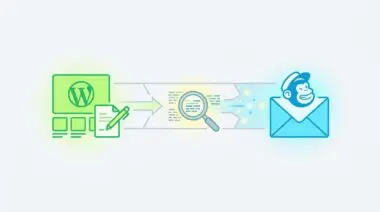
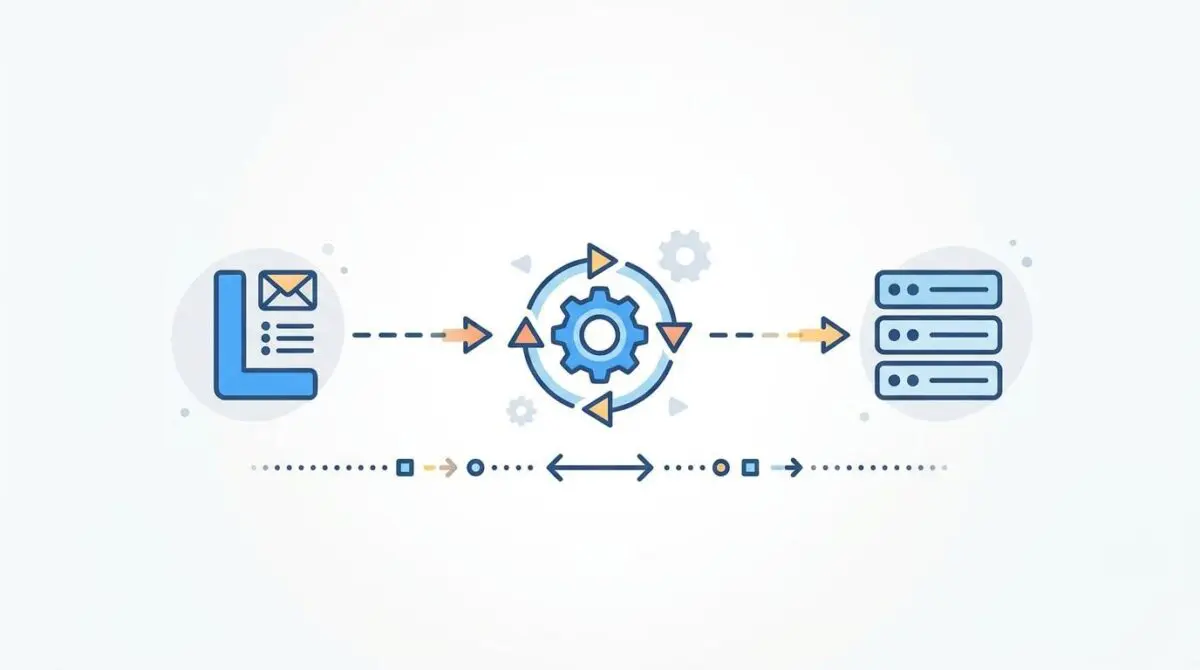
API-driven outreach velocity and Link Acquisition Cost orchestration serve as the architectural antidote to this inefficiency. By syncing campaign data directly with Google Sheets via Zapier, teams can instantly track their outreach velocity. This programmatic orchestration connects the raw activity of link prospectors with the financial ledgers of the agency.
It ensures every dollar spent on link acquisition is immediately accounted for, analyzed, and optimized.
Quantifying the Latency Drain
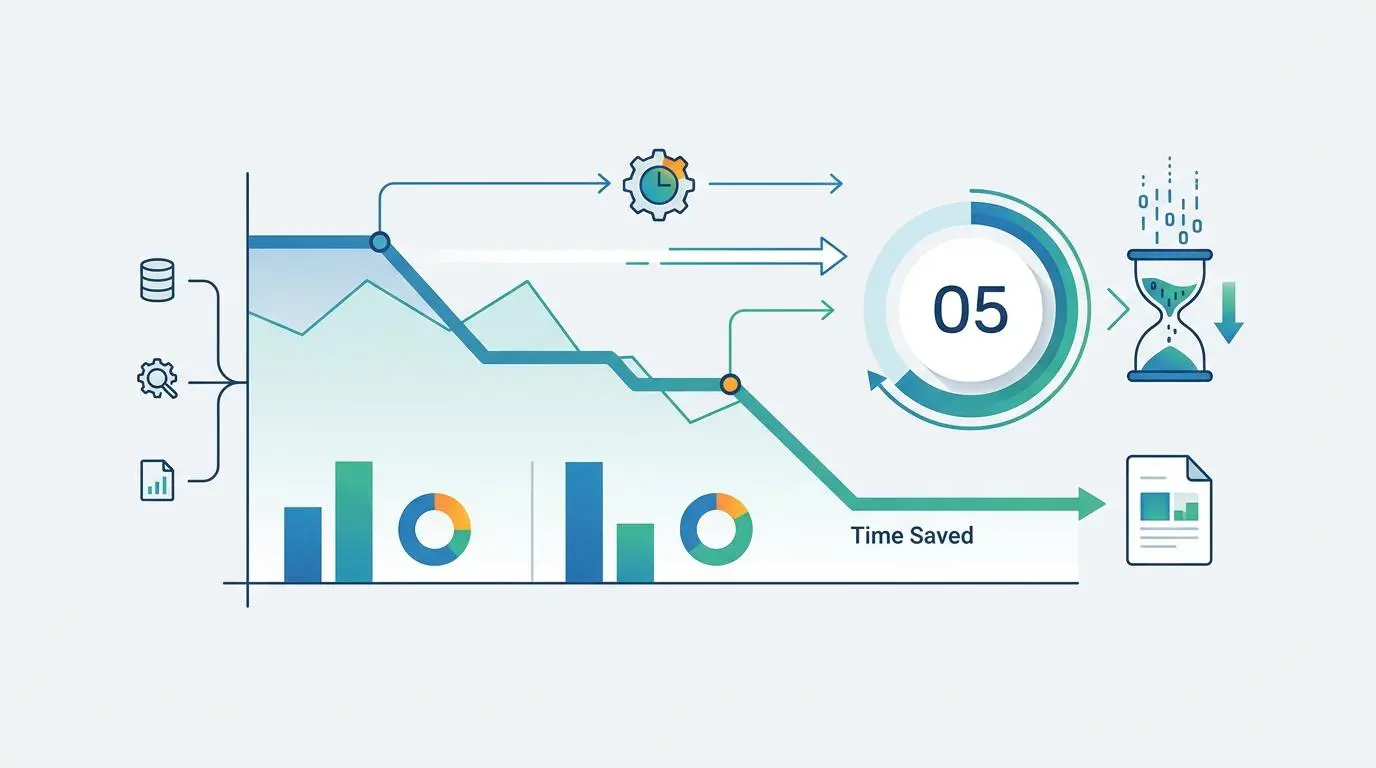
Automating data connections between outreach platforms and spreadsheets eliminates manual CSV exports entirely. This architectural shift drastically reduces reporting labor and frees up valuable resources. Managing these complex pipelines is now more intuitive than ever for technical teams.
Lemlist has recently released an official Model Context Protocol (MCP) server for their ecosystem. This allows senior architects to manage entire outreach pipelines and analyze campaign velocity directly through AI assistants. Using natural language removes the friction of manual API configurations and accelerates deployment.
Simultaneously, the financial stakes for technical SEOs have never been higher. The cost to acquire B2B SaaS customers has surged significantly over the past few years. Real-time Link Acquisition Cost monitoring is no longer a luxury but an absolute necessity for survival in competitive SERPs.
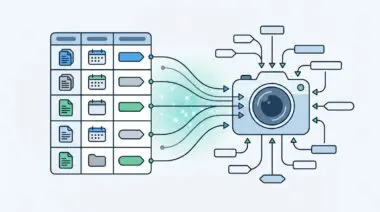
To handle the massive datasets required for this financial tracking, teams are executing bulk ETL operations. They leverage Zapier’s ‘Transfer’ functionality to process historical campaign data seamlessly. This bypasses legacy file size limits and ensures your historical LAC data is perfectly synced.
Granular Event Streaming
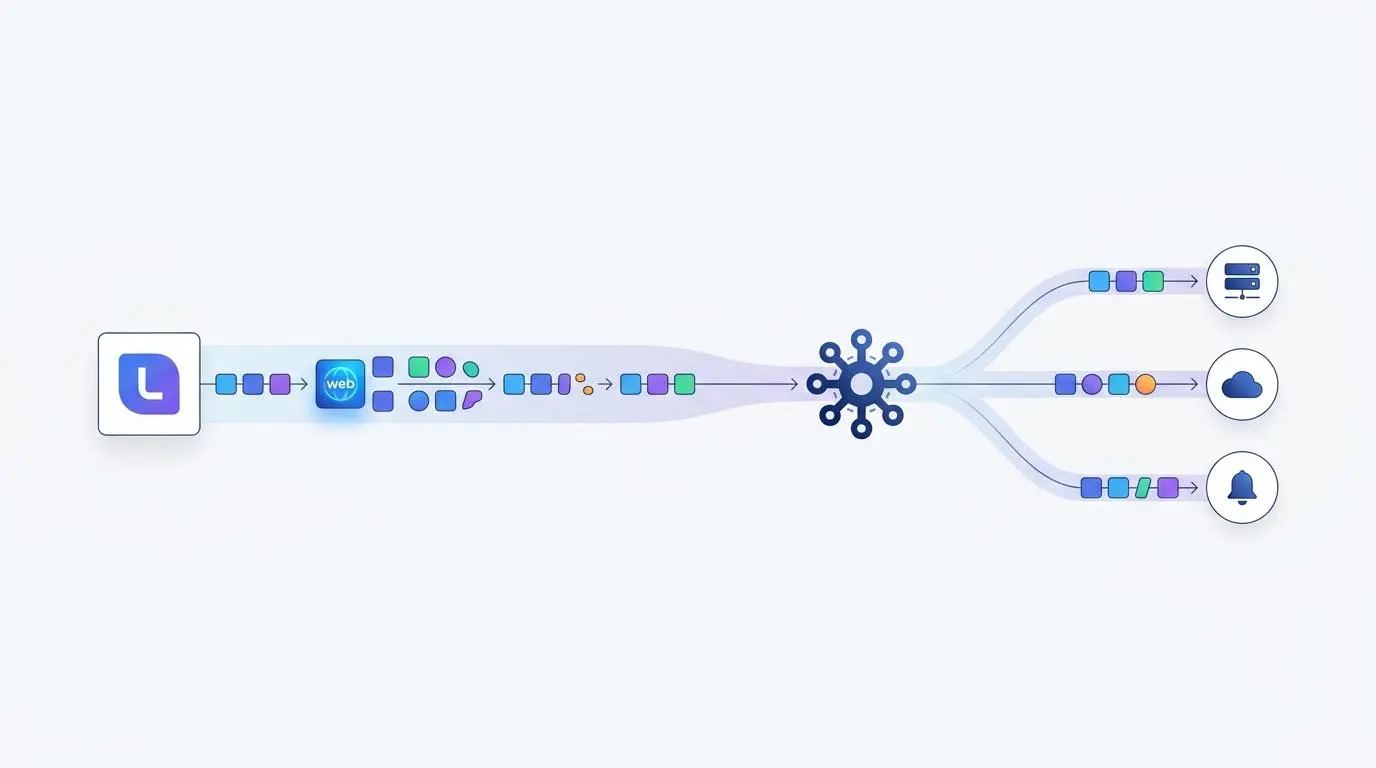
Manual tracking of link statuses usually lags by weeks in traditional agency environments. This delay causes teams to over-report theoretical successes long before verifying the final live link. The solution lies in leveraging modern API endpoints for granular event streaming.
By piping specific webhook triggers through Zapier, technical SEOs can categorize outreach stages in real time. Instead of waiting for end-of-month reconciliations, architects configure their platforms to push JSON payloads directly to Catch Hook triggers. This eliminates guesswork and provides a real-time dashboard of campaign health.
The raw payload contains critical identifiers like the campaign ID and lead ID for precise attribution. Key API triggers for this orchestration include:
- emailReplied: Instantly logs prospect engagement to calculate initial conversion rates.
- activityDone: Tracks manual tasks to ensure labor costs are factored into the final LAC.
- LinkedInProfileVisited: Monitors multi-channel touchpoints to attribute complex link acquisitions accurately.
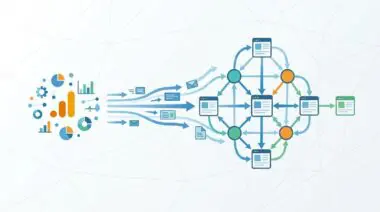
When these events fire, Zapier parses the JSON and routes the data into specific Google Sheets tabs. This creates a live ledger of outreach velocity. It allows SEO directors to see exactly how many touchpoints are required to generate a single placement.
Bypassing the ETL Bottleneck
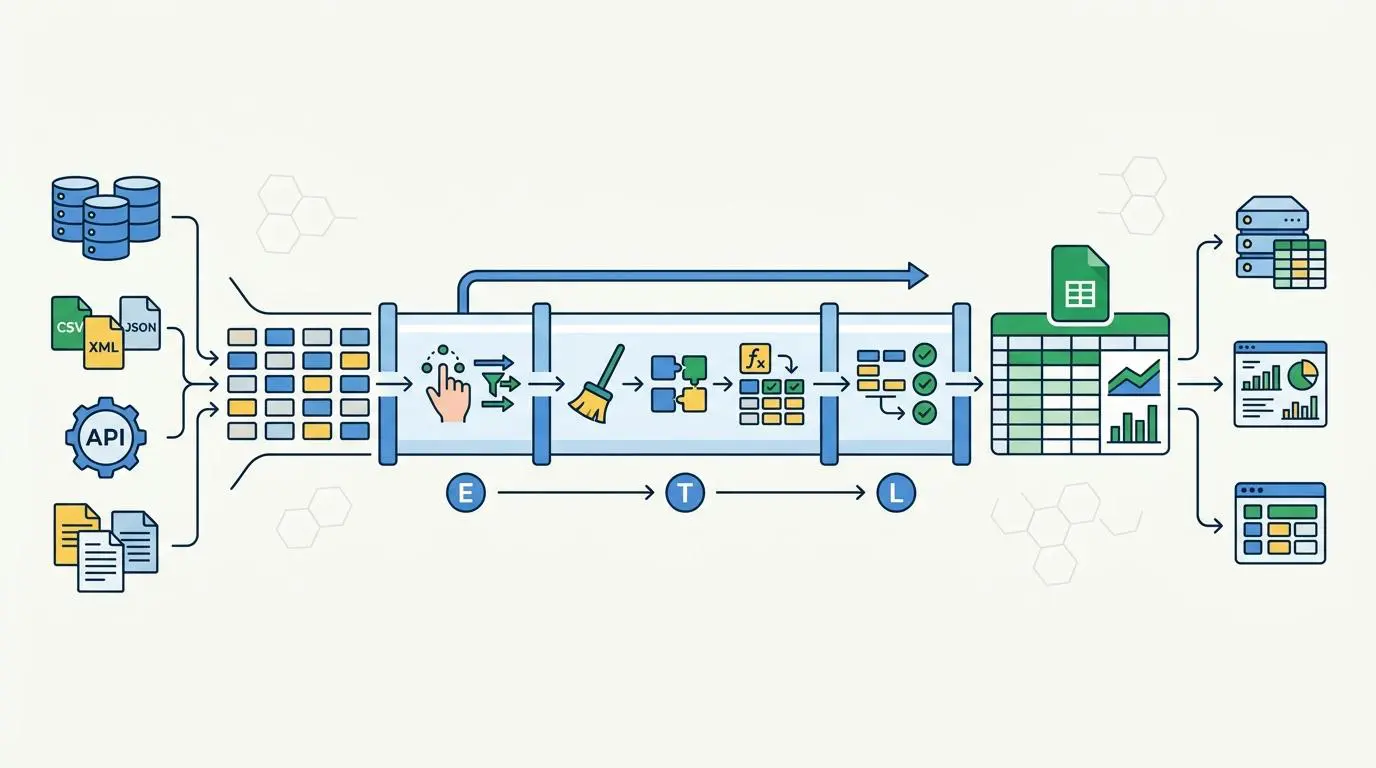
Legacy automation workflows often fail when campaign datasets exceed thousands of tasks per month. This volume easily overwhelms standard integration paths, causing critical data drops and API rate limit errors. Architectural shifts to advanced tables or batch-processing via Google Apps Script are necessary to maintain data integrity.
By implementing partitioned data streams, teams can bypass standard file size limits for Google Sheets. This programmatic architecture ensures that high-velocity outreach campaigns never bottleneck at the database level. Instead of triggering a separate action for every single email sent, architects batch the data.
Using Google Apps Script, you can write custom functions to fetch arrays of campaign data at scheduled intervals. This drastically reduces task consumption and prevents rate limit errors from the Google Sheets API. It allows enterprise SEO teams to scale their link building efforts without fracturing their reporting pipelines.
Furthermore, this batching methodology ensures that historical data migrations happen smoothly. When auditing past campaigns, bulk ETL operations are the only viable path forward. This keeps the reporting infrastructure lightweight, highly responsive, and infinitely scalable.
Algorithmic Relevancy Scoring

Automated link acquisition often ignores the semantic neighborhood of the host page. This oversight results in acquired links that pass raw authority but fail strict relevancy checks in modern AI-driven search environments. Search engines actively devalue links placed in disjointed, off-topic contexts.
To combat this, architects are integrating advanced LLM API hooks directly within their automation flows. These AI nodes perform automated semantic matching between the initial outreach pitch and the final placement page content. Before a link is officially marked as successful in the spreadsheet, the URL is automatically scraped.
Webhooks can fetch the raw HTML of the live placement seamlessly. A text formatter step strips the HTML, passing only the core body content to the AI model. The prompt instructs the LLM to calculate a semantic distance score between your target keyword topic and the published article.
If the semantic distance is too wide, the system flags the placement for manual review. This ensures that your Link Acquisition Cost is only attributed to high-quality, topically relevant domains. It acts as an automated QA layer, preventing low-value link reporting from skewing your ROI metrics.
Autonomous Indexing Pipelines
Acquired links remain dormant for weeks if they are not rapidly discovered by search engine crawlers. A link that isn’t indexed provides zero algorithmic value, artificially inflating your LAC in the short term. Waiting for organic discovery is a critical failure in modern SEO operations.
To solve this, technical SEOs are building autonomous indexing pipelines directly into their reporting stack. The IndexNow protocol and Google Indexing API can be triggered via webhooks instantly. The exact moment a new row is added to Google Sheets marking a link as successful, the webhook fires.
This requires setting up a Google Cloud project with a dedicated service account. The automation platform generates an authentication token to authorize the POST request to the indexing API. The payload sends an update notification directly to the crawling queue.
This automated pinging ensures the placement starts yielding ROI immediately upon publication. It closes the latency gap between the financial expenditure of outreach and the algorithmic reward of the backlink. Ultimately, this transforms link building from a lagging metric into a real-time growth engine.
The Agentic Orchestration Horizon
The SEO technology stack is rapidly shifting from trigger-based automations to agentic multi-agent orchestration. The days of manually configuring webhook payloads and monitoring API rate limits are coming to an end. Autonomous agents will not merely track data; they will govern the entire financial efficiency of your outreach.
These AI agents will proactively shut down campaigns that exceed a pre-defined LAC threshold. They will make these autonomous decisions based on real-time indexing performance and authority metrics. If a campaign is burning cash without generating indexed, high-authority links, the agent will pivot the strategy instantly.
Navigating the intersection of technical SEO, programmatic architecture, and workflow automation requires a sharp strategy. To future-proof your site’s architecture and scale with precision, connect with Andres at Andres SEO Expert.
Frequently Asked Questions
What is Link Acquisition Cost (LAC) in SEO?
Link Acquisition Cost (LAC) is the total financial expenditure required to secure a backlink, encompassing outreach software costs, labor for prospecting, and direct placement fees. Real-time LAC monitoring allows technical SEO teams to attribute spending to specific campaigns and optimize for the most cost-effective link sources.
How does API-driven orchestration reduce outreach reporting latency?
By syncing outreach platforms like Lemlist with spreadsheets via Zapier, teams eliminate the 14-30 day lag typical of manual CSV exports. This programmatic approach creates real-time event streaming, allowing architects to track outreach velocity and cost-attribution the moment engagement occurs.
What is the benefit of the Lemlist Model Context Protocol (MCP) server?
The Lemlist MCP server allows senior SEO architects to manage entire outreach pipelines and analyze data using natural language through AI assistants like Claude and Cursor. This eliminates manual API configuration friction and accelerates the deployment of high-velocity acquisition campaigns.
How can technical SEOs bypass Google Sheets data and rate limits?
To handle high-volume outreach data, teams can use Zapier Tables or custom Google Apps Script to batch-process payloads. This architectural shift prevents 429 ‘Too Many Requests’ errors and bypasses standard 30MB file size limits, maintaining data integrity for enterprise-scale campaigns.
How do you automate backlink quality control using AI?
Architects integrate LLM APIs (like Claude) directly into the reporting workflow to perform algorithmic relevancy scoring. The system scrapes the live placement URL, extracts the body content, and calculates a semantic distance score between the page and the target keyword to ensure topical relevance.
What are autonomous indexing pipelines for link building?
Autonomous indexing pipelines use webhooks to trigger the Google Indexing API or IndexNow protocol immediately after a link is marked as ‘Won.’ This ensures that new backlinks are discovered by search engine crawlers instantly, reducing the time between financial expenditure and algorithmic reward.