Key Points
- Cross-platform PM Milestone Interoperability eliminates the massive annual silo cost by instantly aligning Jira, Trello, and ClickUp statuses.
- The integration of Multiagent Systems allows specialized AI to autonomously map complex technical dependencies without human oversight.
- Modern sync engines utilizing sub-second Change Data Capture prevent latency-induced errors and keep agile teams operating on real-time data.
Table of Contents
- The Invisible Toll of the Status Update
- The Financial Weight of Fragmented Systems
- Bridging the Context Gap in Daily Work
- Moving Beyond Basic Trigger-Action Logic
- Autonomous Task Management via Multiagent Systems
- Sub-Second Data Propagation
- Reclaiming Executive Labor and Resource Capacity
- Unified Project Graphs and Semantic State Sync
- The End of the Manual Sync Era
The Invisible Toll of the Status Update
The invisible cost of manual work is the constant, low-grade anxiety of never truly knowing if a deadline is secure. Project managers spend hours acting as human routers, copying a completed status from a developer’s Jira board and pasting it into a marketing team’s Trello card. This disjointed dance creates a massive structural drag on organizational momentum.
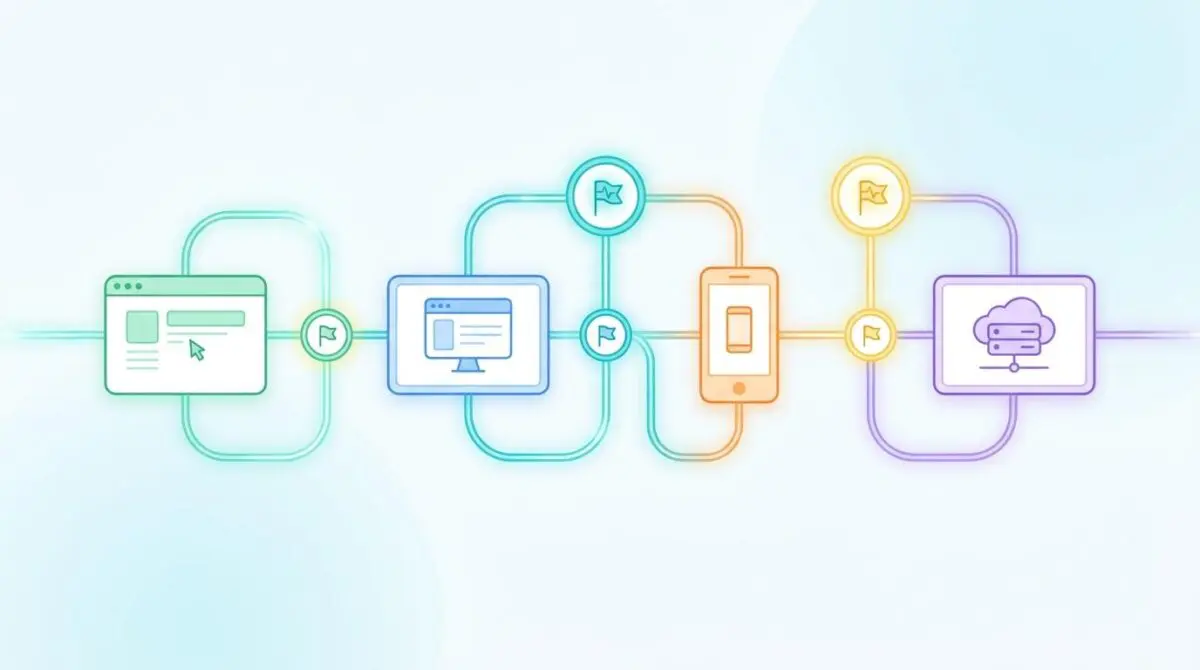
Cross-platform PM Milestone Interoperability is the ultimate solution to reclaim time and freedom. By establishing a unified nervous system across your project management stack, teams can stop chasing updates and start executing. This interoperability ensures that when an engineering epic shifts in Jira, the corresponding dependencies in ClickUp and Trello adapt instantly without human intervention.
The Financial Weight of Fragmented Systems
Market Intelligence & Data
Annual Silo Cost
According to a 2026 Speakwise market audit, information silos between project tools cost organizations an average of $7.8 million annually in lost productivity.
Wasted Search Time
Research published by Integrate.io in 2026 found that employees waste an average of 12 hours weekly searching for data across disconnected systems like Jira and Trello.
AI Agent Integration
A 2025 Gartner report predicts that 40% of enterprise applications will be integrated with task-specific AI agents by the end of 2026 to handle complex cross-tool workflows.
PM Software Market Size
The project management software market surpassed $10.4 billion in 2026, driven by a 14% annual growth in demand for automated integration features, per Grand View Research.
The staggering $7.8 million annual silo cost represents far more than just administrative overhead. It signifies a profound loss of strategic momentum when teams operate in dark corners, disconnected from the broader organizational pulse. This financial bleed happens quietly, hidden inside the micro-delays of misaligned sprints and duplicated efforts.
Wasting 12 hours a week hunting for information is a critical failure of system design. When highly paid engineers and marketers are forced to play detective across disparate boards, their core creative output plummets. This is why addressing the fragmented state of work is paramount, as industry analysts predict that 40% of enterprise applications will rely on automated agents to stop this exact kind of cognitive drain.
The integration of task-specific AI agents marks a definitive shift from passive software to active workflow participants. Instead of relying on humans to bridge the gap between tools, these agents autonomously monitor and update statuses across environments. This technological leap ensures that complex, cross-tool workflows maintain integrity without requiring constant manual oversight.
The massive scale of this operational problem is clearly reflected in industry investments. As organizations desperately seek ways to unify their operations, the project management software market surpassed $10.4 billion in recent valuations. This explosive growth underscores a universal mandate to replace fragmented toolchains with cohesive, interoperable ecosystems.
Bridging the Context Gap in Daily Work
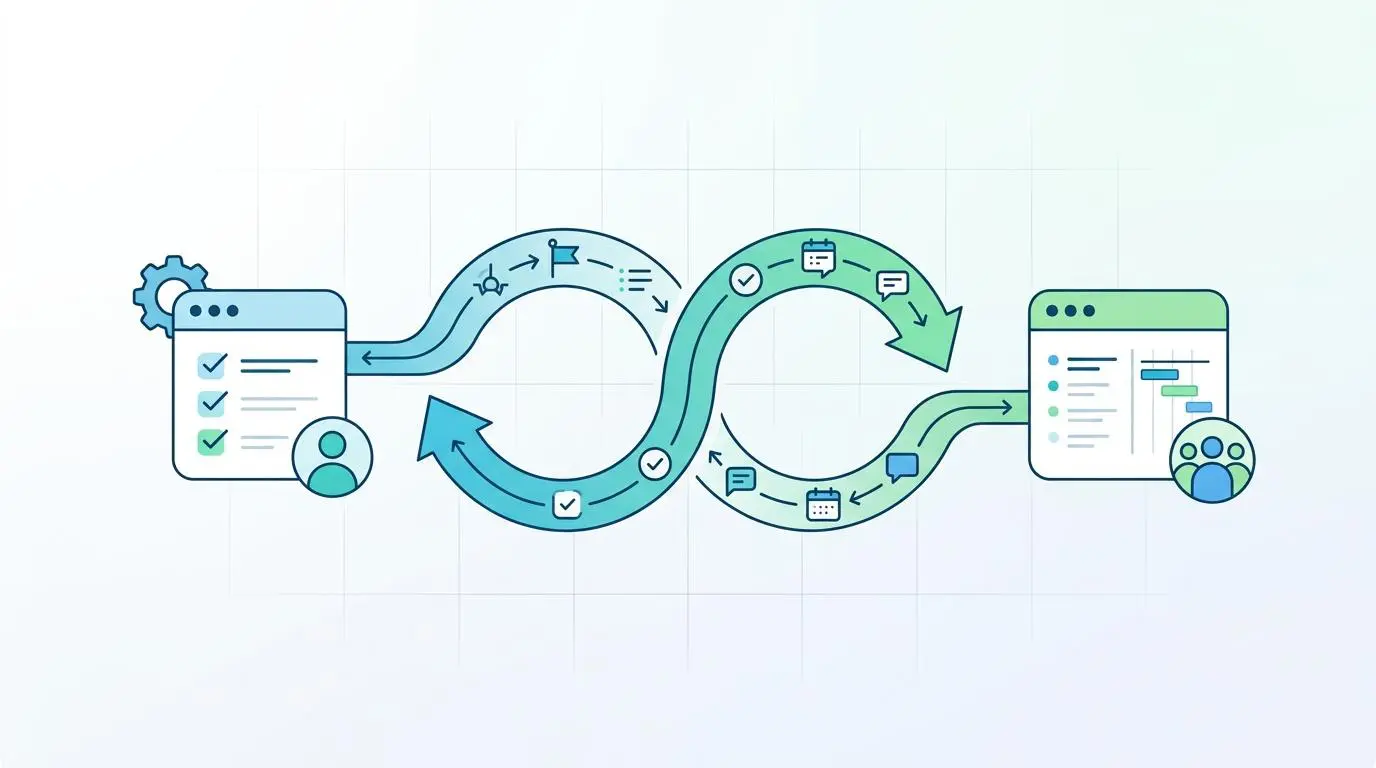
Teams manually bridge the context gap every single day by logging into entirely separate platforms just to verify a simple status update. Engineers live in Jira, while marketing teams orchestrate campaigns in Trello, creating a devastating disconnect in shared delivery dates. This misalignment is commonly known as the status update tax.
Project managers are often forced into brutal weekly cycles of manual verification just to keep stakeholders informed. They spend their days cross-referencing ticket numbers and pinging developers on Slack to confirm progress. This reactive workflow drains energy and prevents project leaders from focusing on actual strategic forecasting.
Tools like Jira Service Management and Trello Power-Ups are frequently deployed to help, but they inherently lack native cross-platform state awareness. The result is a fragile ecosystem where one team’s delay is invisible to another until it is too late. A missed deadline in development cascades silently, derailing marketing launches and frustrating clients.
Moving Beyond Basic Trigger-Action Logic
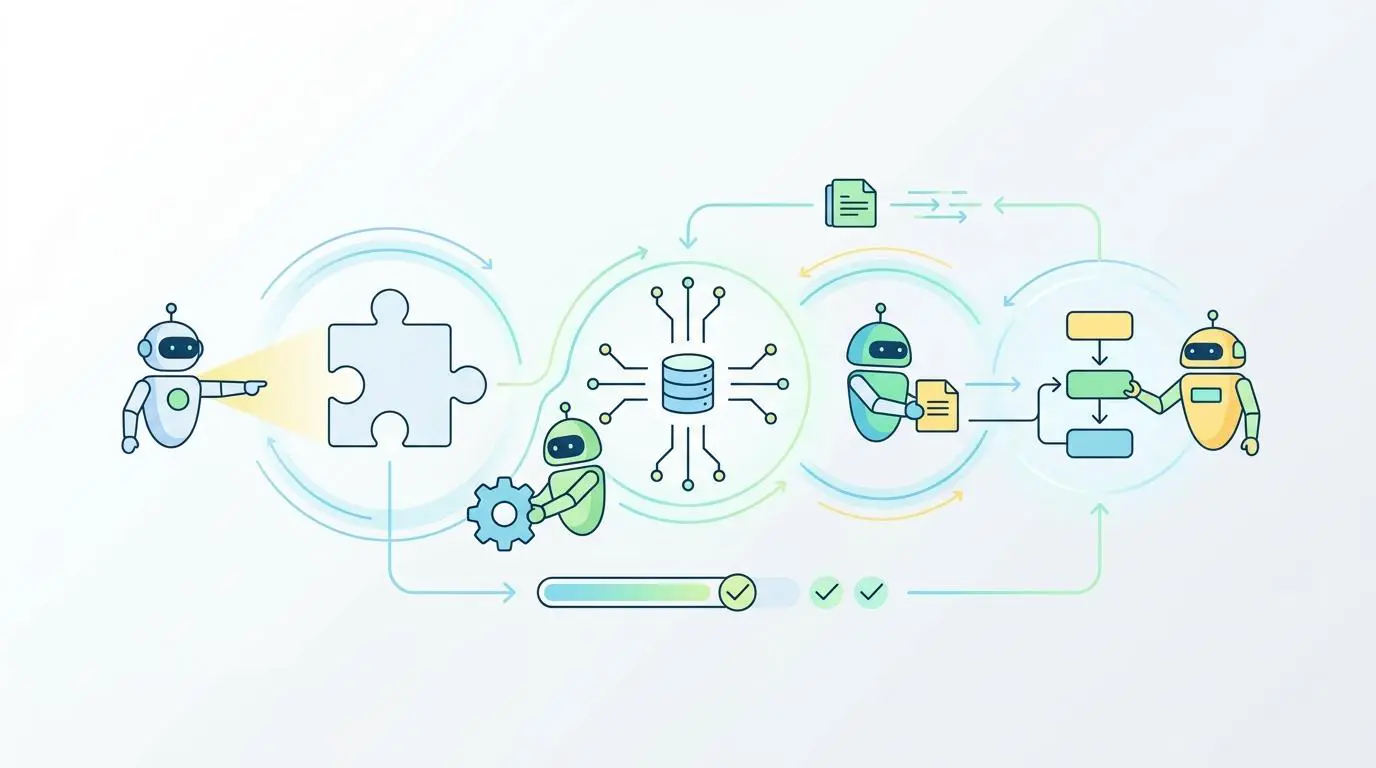
The limitation of traditional one-way trigger-action logic is that it frequently creates duplicate tasks and massive data inconsistencies during cross-platform syncs. Legacy setups in Zapier often require incredibly complex logic just to avoid infinite looping between boards. This fragile architecture makes scaling operations nearly impossible for growing teams.
When a simple status change triggers a cascade of redundant notifications, user adoption plummets. Teams begin to ignore automated alerts, assuming they are just system noise rather than actionable updates. This completely defeats the purpose of implementing workflow automation in the first place.
Unito has emerged as a clear leader for bi-directional synchronization, offering a more resilient approach to data parity. Make also provides brilliant visual branching for multi-tool status mapping across its vast library of over 1,500 integrations. These platforms allow teams to build robust workflows that respect the unique hierarchies of both the source and destination tools.
Autonomous Task Management via Multiagent Systems
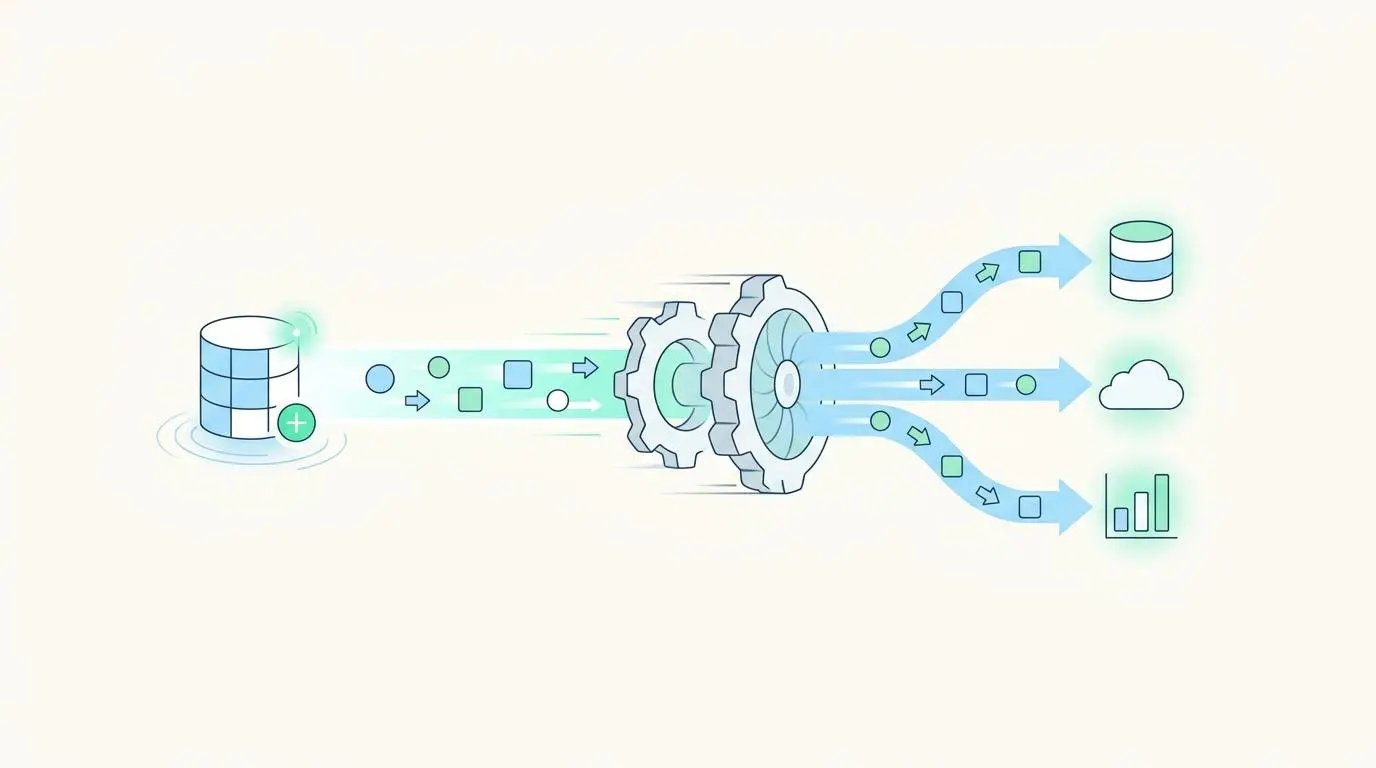
A recent Gartner analysis highlights the rise of Multiagent Systems, an architecture where modular AI agents collaborate on complex project tasks. This effectively allows ClickUp to manage Jira dependencies autonomously without any human oversight. The cognitive load of mapping unstructured data across different project environments is finally being offloaded to intelligent systems.
These multiagent frameworks allow specialized AI to autonomously map custom fields between Jira’s rigid technical schema and ClickUp’s highly flexible hierarchy. The AI understands context, translating a technical blocker into a marketing delay instantly. This intelligent routing ensures that every department speaks the same operational language.
Tools like ClickUp Brain and Atlassian Intelligence now actively perform predictive milestone delay detection across linked platforms. This means potential roadblocks are flagged and mitigated long before they impact the final delivery date. Project managers transform from reactive firefighters into proactive strategists.
Sub-Second Data Propagation
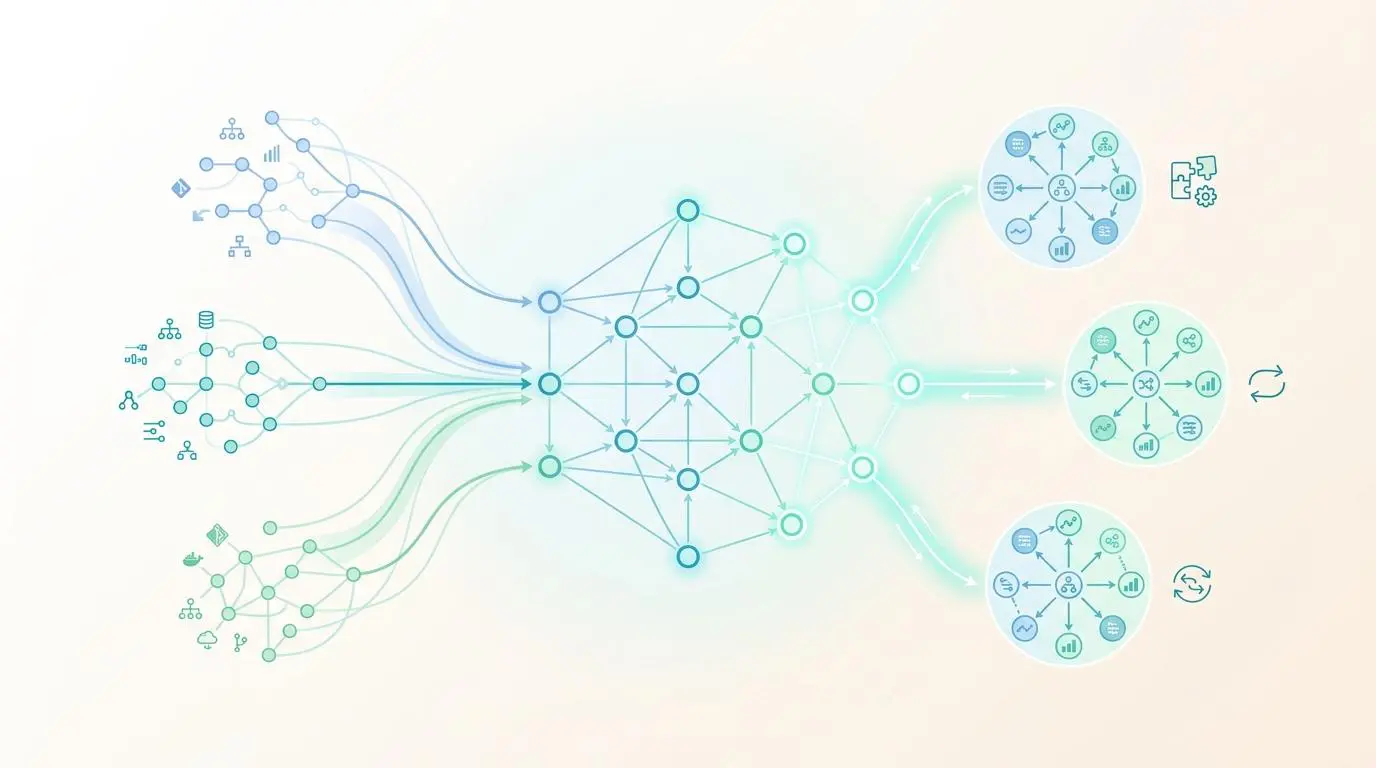
Latency-induced project errors occur when teams execute tasks based on stale milestone data trapped in a slow sync queue. Older polling methods typically suffered from massive latencies, which is an eternity in fast-paced agile environments. This delay often led to developers writing code for requirements that had already been changed by product managers.
When data is not synchronized in real-time, trust in the system erodes completely. Employees revert to manual status meetings and endless email chains to verify information. This regression to manual habits destroys any efficiency gains promised by the software stack.
Modern sync engines utilize sub-second Change Data Capture to propagate updates instantly across the entire stack. This technological shift ensures that a change made in a Jira ticket is reflected in a Trello card before the user even switches browser tabs. Real-time data pipelines eliminate the risk of version conflicts and keep all departments operating from a single source of truth.
Reclaiming Executive Labor and Resource Capacity
The massive financial overhead of manual cross-departmental reporting is a heavy burden on modern enterprises. High-cost leadership time is routinely wasted on administrative reconciliation instead of strategic planning. When systems do not talk to each other, executives are forced to manually compile dashboards to understand the true state of a project.
This manual compilation is highly prone to human error and subjective interpretation. By the time a comprehensive status report is presented to the board, the data is already obsolete. Leaders end up making critical resource allocation decisions based on a distorted view of reality.
Organizations deploying coordinated workflow systems see a massive increase in resource capacity without adding a single new headcount. Automated reporting tools for Jira and ClickUp can seamlessly reclaim thousands of executive labor hours annually. This operational leverage allows companies to scale their output and focus on high-impact initiatives rather than data entry.
Unified Project Graphs and Semantic State Sync
The fundamental lack of a common language between platforms means that one team’s definition of done rarely translates technically to another tool’s status. This semantic barrier has historically required complex mapping rules and constant maintenance to keep systems aligned. However, the transition to Semantic State Sync is fundamentally changing how platforms communicate.
In this new paradigm, AI understands the intent of a milestone regardless of whether it is a Jira Epic, a Trello Card, or a ClickUp Task. The system recognizes that a deployed feature in engineering equals a ready-to-launch campaign in marketing. This contextual awareness eliminates the need for rigid, one-to-one field mapping.
The digital workforce is a strong precursor to this model, paving the way for truly intelligent toolchains. Automation will soon shift from mere integration to native interoperability through Unified Project Graphs, rendering manual syncing tools obsolete. The future belongs to organizations that build interconnected ecosystems rather than isolated silos.
The End of the Manual Sync Era
The future of project management is entirely frictionless, driven by AI agents that maintain a single source of truth across all platforms simultaneously. As we move toward Unified Project Graphs, the days of acting as a human bridge between Jira and ClickUp are rapidly coming to a close. Organizations that embrace this interoperability will operate with unprecedented speed and clarity.
Navigating the intersection of technology, workflows, and operational efficiency requires a sharp strategy. To future-proof your business architecture and scale with precision, connect with Andres at Andres SEO Expert.
Frequently Asked Questions
What is cross-platform PM milestone interoperability?
Cross-platform PM milestone interoperability is the establishment of a unified nervous system across project management tools like Jira, ClickUp, and Trello. It allows status changes and milestone updates in one platform to propagate instantly to others, eliminating the need for manual status reporting and human intervention.
How much do information silos cost organizations annually?
According to a 2026 Speakwise market audit, information silos between project management tools cost organizations an average of $7.8 million annually in lost productivity. This financial toll stems from misaligned sprints, duplicated efforts, and the lack of a cohesive operational pulse.
What is the status update tax in project management?
The status update tax refers to the manual labor and time wasted when project managers act as human routers, copying data between disparate tools like Jira and Trello. This includes the 12 hours per week that employees typically lose searching for data across disconnected systems.
How are AI agents transforming project workflows?
Gartner predicts that 40% of enterprise applications will feature task-specific AI agents by 2026. These agents use multiagent systems to autonomously map custom fields between different technical schemas, translate context between departments, and perform predictive milestone delay detection.
Why is bi-directional synchronization better than trigger-action logic?
Traditional trigger-action logic often creates data inconsistencies or infinite loops. Bi-directional synchronization, provided by platforms like Unito and Make, ensures data parity across systems, allowing tools to respect each other’s unique hierarchies while maintaining a single source of truth.
What is sub-second data propagation?
Sub-second data propagation uses Change Data Capture (CDC) to sync updates across project management stacks instantly. This eliminates the latency found in older polling methods, preventing errors that occur when developers work from stale milestone data.
What are Unified Project Graphs?
Unified Project Graphs represent the next evolution of project management where AI understands the semantic intent of milestones across platforms. This model renders manual syncing tools obsolete by providing native interoperability based on the contextual meaning of tasks rather than rigid field mapping.