Key Points
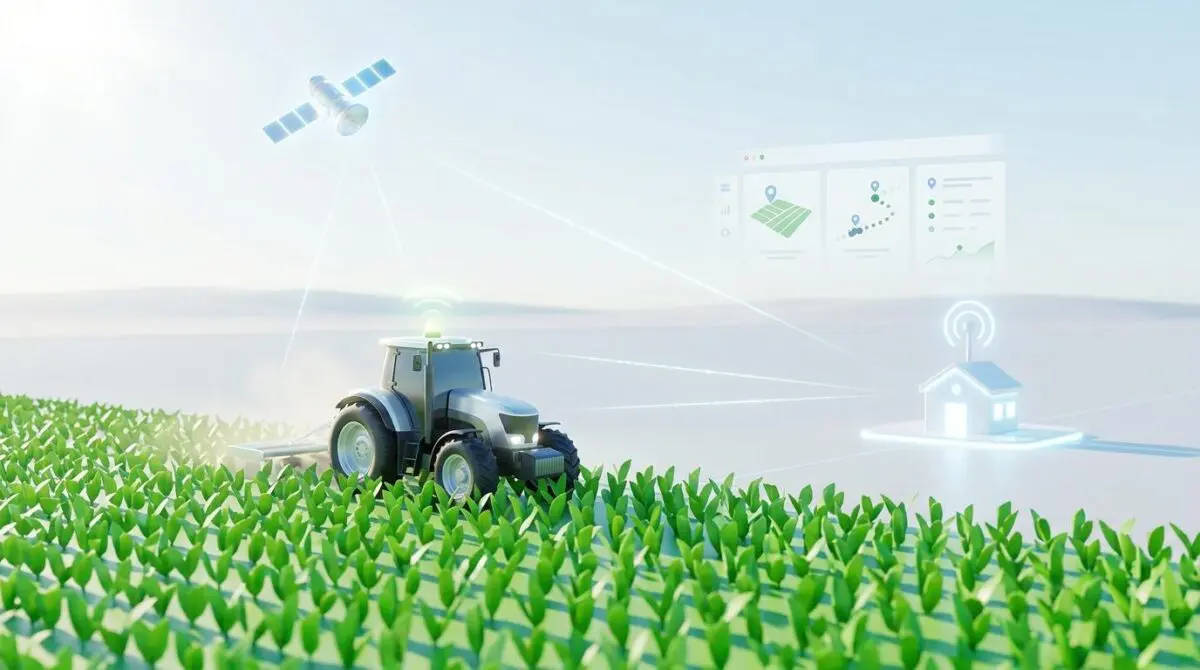
- Predictive Telemetry: AI agents now ingest high-frequency CAN bus data to forecast exact time-to-empty metrics based on real-time engine load and soil resistance.
- Edge Computing Resilience: Store-and-forward logic combined with LEO satellite constellations guarantees continuous workflow execution even in complete cellular dead zones.
- Webhook Synchronization: Legacy polling has been replaced by mandatory event-driven webhooks to instantly unify ISOXML data across multi-manufacturer agricultural fleets.
Table of Contents
The Empty Tank Crisis
The invisible tax on modern agriculture is not levied by unpredictable weather, but by the agonizing silence of a stalled machine.
Picture a massive harvester grinding to a halt in the center of a remote 500-acre field simply because a fuel gauge was misread. This single point of failure instantly paralyzes the entire logistical chain. It leaves support trucks idling and precious harvest windows closing rapidly.
For decades, farm managers have battled these operational blind spots using manual logs and reactive radio calls. The human element inherently introduces delays and inaccuracies into high-stakes fleet coordination.
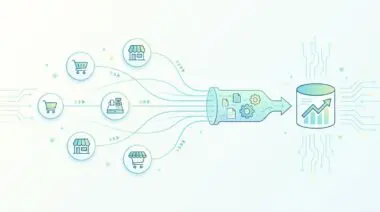
Implementing IoT-driven agricultural fleet telematics and workflow automation completely eliminates this friction. By transforming isolated tractors into connected nodes, operations achieve absolute real-time visibility. This eradicates the costly guesswork of field logistics.
The Financial Weight of Blind Logistics
Market Intelligence & Data
Farm Management Software Growth
According to 2026 projections from Market.us Scoop, the global farm management software market is surging to $4.45 billion as real-time fleet oversight becomes a non-negotiable requirement for profitability.
Autonomous Equipment CAGR
Research from Fortune Business Insights in 2026 indicates that the fully autonomous equipment segment is growing at a 20.1% CAGR, driven by the need for machine-led logistical precision.
Fuel and Resource Savings
A 2026 report by Trafalgar Wireless highlights that early adopters of smart IoT telematics are reducing fuel and resource waste by up to 30% through optimized idle-time tracking.
Yield Output Increase
Data from Tractor for Everyone (February 2026) shows that precision farming workflows using real-time machine data now increase yield output by 15-20% per acre by ensuring timely field operations.
The surge in farm management software to a staggering $4.45 billion underscores a critical shift in agricultural priorities. Relying on manual check-ins becomes a massive financial liability that modern farms simply cannot afford. Modern platforms integrate real-time telemetry to ensure every asset is visible. This shift is supported by robust infrastructure like the John Deere Developer Portal 2026 Documentation, which outlines how webhook-driven architectures guarantee instant data delivery.
Simultaneously, the autonomous equipment sector is experiencing a rapid 20.1% CAGR as machine-led precision takes the helm. This growth is about establishing a flawless logistical ballet where machines dictate their own support needs. Fully autonomous fleets require absolute certainty in their fuel and location data to function without central human dispatchers.
The impact on resource conservation is equally profound, with early adopters seeing massive reductions in operational waste. A 2026 report by Trafalgar Wireless highlights that smart IoT telematics reduce fuel and resource waste by up to 30% through optimized idle-time tracking. By monitoring engine load metrics in real-time, farm managers can instantly reroute equipment and eliminate unnecessary fuel burn.
The transition to precision workflows directly translates into a 15-20% increase in yield output per acre. When field operations are perfectly timed and uninterrupted by logistical failures, crops are harvested at their absolute peak. Real-time machine data ensures that planting, spraying, and harvesting windows are maximized without costly delays.
Eradicating the Dead-Heading Drain
The traditional approach to refueling heavy agricultural machinery is plagued by profound inefficiency. Farm managers consistently lose up to 30% of their overall fuel efficiency to unoptimized machine idling and dead-heading.
Dead-heading occurs when a massive tractor travels empty across vast acreage simply to reach a centralized fuel depot. This unnecessary movement burns expensive diesel and compacts the soil. It also strips valuable hours away from actual harvesting.
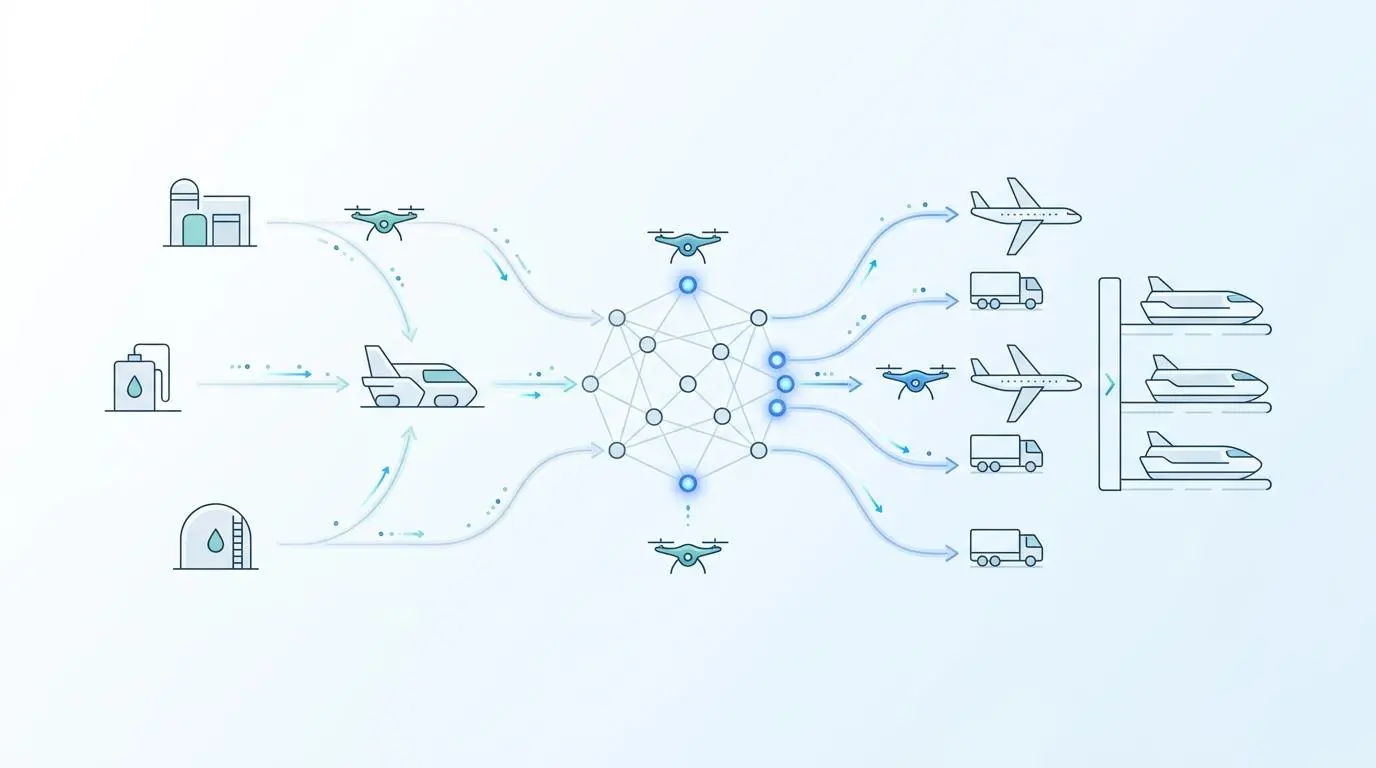
Modern automation directly attacks this daily friction by bringing the fuel to the machine precisely when needed. Tools like SafetyCulture combined with Teltonika IoT sensors continuously monitor CAN bus data directly from the vehicle.
When a specific fuel threshold is breached, the system automatically dispatches a refueling truck to the exact GPS coordinates of the tractor. This eliminates the empty tank crisis entirely and ensures the harvest chain remains unbroken.
Autonomous Refueling via AI Agents
Human operators are notoriously unreliable when reporting precise fuel levels during high-stress harvest windows. They frequently over-report or under-report tank capacities. This leads to premature refueling interruptions or disastrous emergency shutdowns.
To solve this, new AI agents from Agtech startups are taking the human element out of the equation entirely. These intelligent agents ingest high-frequency sensor data directly from the internal computers of the machine.
Instead of relying on a simple float gauge, the AI calculates a dynamic time-to-empty metric. It factors in current soil resistance, real-time engine load, and historical consumption rates to predict exactly when the machine will run dry.
Once the calculation is made, the AI agent auto-generates highly optimized refueling routes for the support trucks. The dispatcher simply follows the automated routing. This ensures every machine is serviced seamlessly without a single radio call.
Unifying Multi-Brand Equipment Pipelines
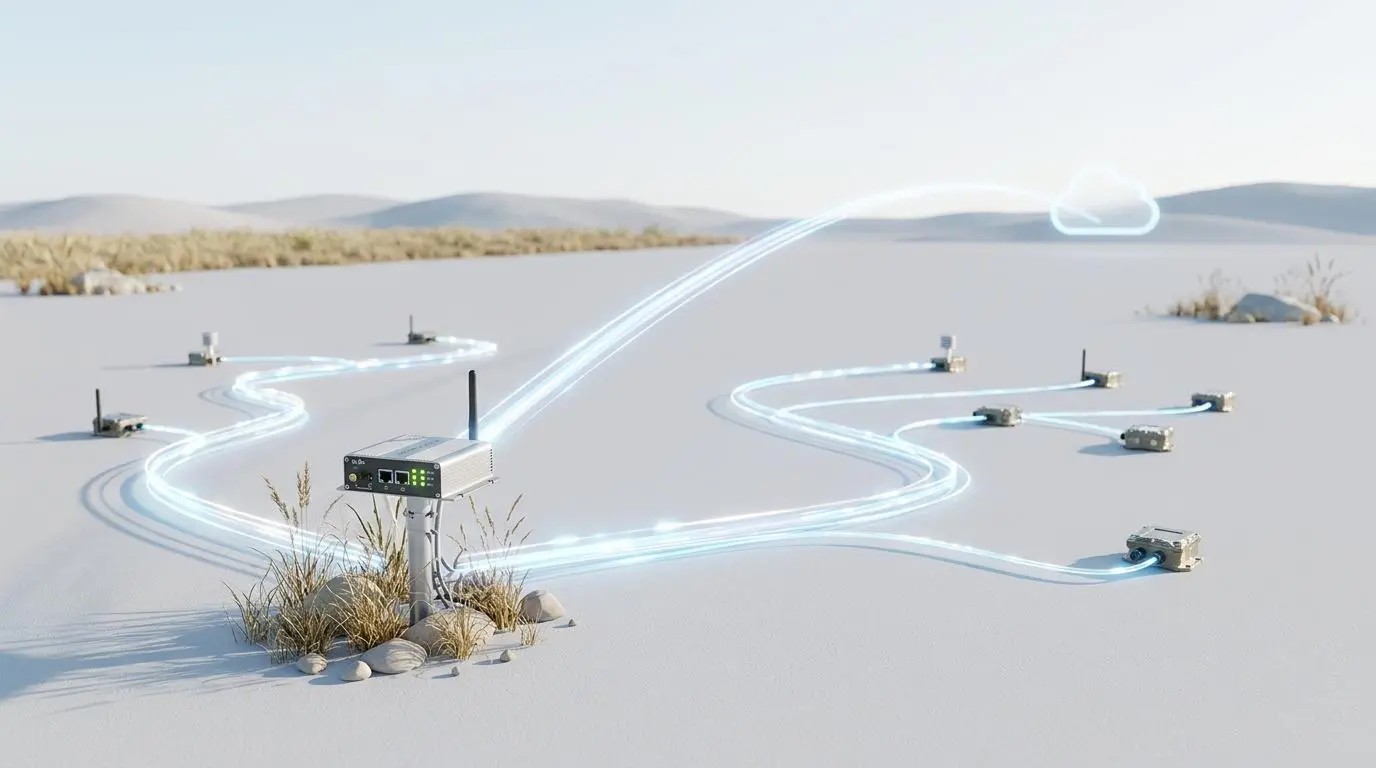
Historically, API rate limits and proprietary data silos prevented farm managers from viewing their entire fleet on a single operational dashboard. A farm running mixed equipment brands was forced to manually reconcile data between completely disconnected platforms.
Recent updates to major agricultural platforms have deprecated legacy APIs in favor of modern architectures. This massive shift introduced refueling event webhooks. External workflows can now trigger the exact second a fuel cap is opened or a dynamic consumption threshold is breached.
This shift from polling to mandatory webhooks fundamentally changes how data is synchronized. Platforms can now instantly sync ISOXML field data and machine location across multi-manufacturer fleets without hitting restrictive API limits.
- n8n: An advanced workflow automation tool used to route webhook payloads between distinct proprietary platforms.
- agrirouter: A universal data exchange network that translates telemetry across different equipment brands.
- ISOXML: The standardized agricultural data format ensuring seamless communication between mixed fleets.
Beating the Cellular Dead Zone

Despite rapid technological advancements, a vast majority of global cropland still lacks reliable cellular coverage. This presents a massive hurdle for cloud-dependent automation architectures.
When automated alerts fail to trigger because equipment enters a dead zone, telemetry is lost. Critical refueling windows are missed entirely. To prevent these catastrophic flow breaks, engineers are rethinking how data is transmitted from remote locations.
Modern automation architectures now utilize specialized hardware and edge computing to bridge the connectivity gap. By processing data locally on the machine, critical decisions can still be made without an active internet connection.
- Store-and-Forward Logic: Edge computing protocols that cache telemetry data locally during outages and instantly upload it once a connection is reestablished.
- LEO Satellites: Low Earth Orbit networks like Starlink and Swarm that provide ubiquitous, high-bandwidth coverage to the most isolated fields on the planet.
Recovering Hidden Labor Costs
The hidden cost of wait-time is one of the most destructive forces in agricultural logistics. Transport trucks frequently sit idle at field edges because harvesters are incorrectly positioned or suddenly out of fuel.
Implementing automated fleet coordination directly recovers these lost margins. By eliminating manual location checks and paper-based fuel logging, operations recover an average of 4.5 labor hours per week per operator.
Furthermore, the rapid transition to electric tractors is amplifying these savings. Electric fleets connected to automated dispatch systems currently offer a massive operational cost advantage over traditional diesel setups.
When operators are freed from logistical babysitting, they can focus entirely on machine optimization and crop yield. The automation of these mundane tracking tasks transforms a reactive workforce into a proactive, high-efficiency team.
Swarm Logistics and the Next Frontier
The rising cost of specialized agricultural labor makes the traditional one-man-one-machine logistical model financially unsustainable for mid-sized operations. The industry is rapidly outgrowing centralized dispatch systems.
The industry outlook is aggressively shifting toward swarm logistics and tractor-as-a-service models. In this ecosystem, autonomous tenders seamlessly refuel autonomous tractors without any human intervention.
This is made possible through advanced vehicle-to-everything communication protocols. Machines negotiate their own logistical needs in real-time, creating a highly efficient, decentralized operational web.
Sustaining the Autonomous Harvest
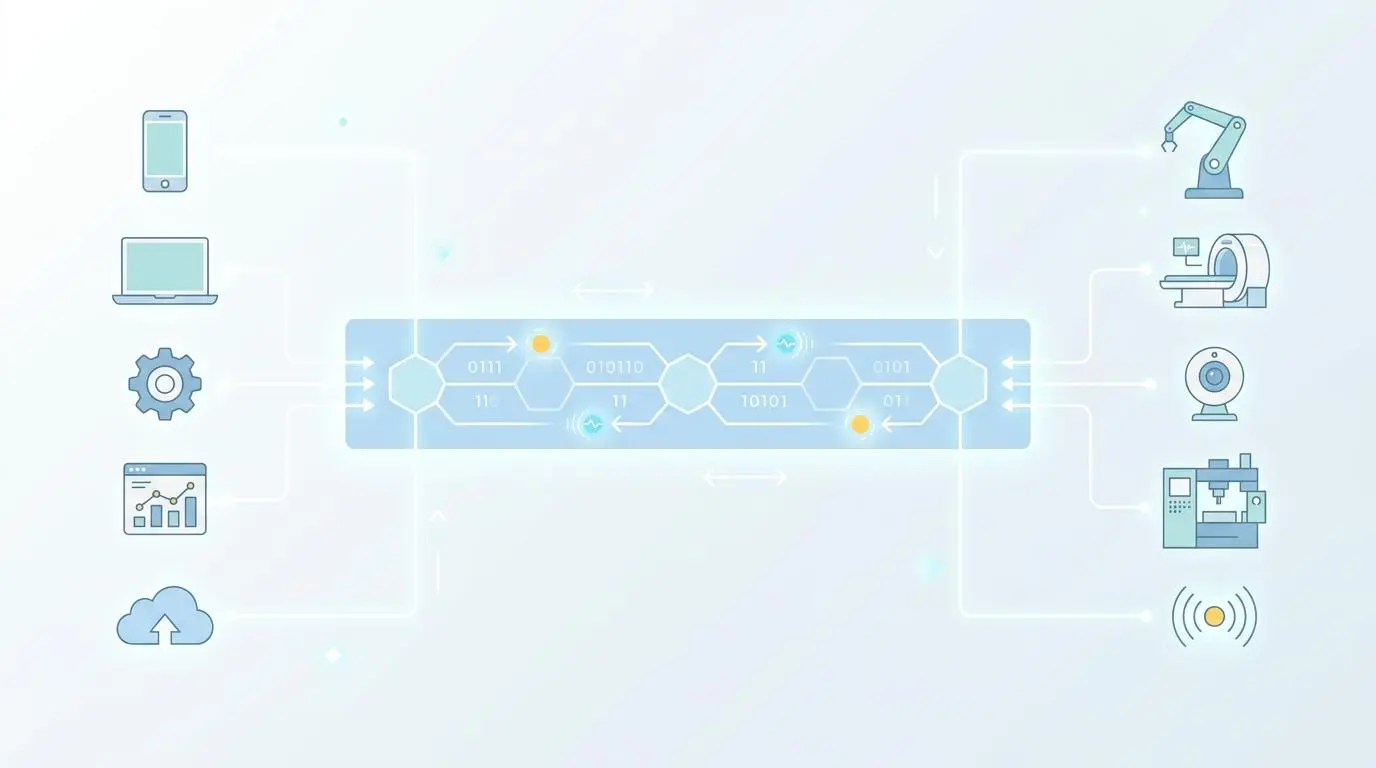
The agricultural industry is pivoting entirely to fully autonomous refueling swarms. Sensor-fused drones and ground tenders utilize vehicle-to-vehicle protocols to share fuel and energy levels across a decentralized mesh network. This removes the central dispatcher entirely.
This visionary leap ensures that field operations will never again be paralyzed by a misread gauge or a missed radio call. The future of farming is continuous, self-sustaining, and infinitely scalable.
Navigating the intersection of technology, workflows, and operational efficiency requires a sharp strategy. To future-proof your business architecture and scale with precision, connect with Andres at Andres SEO Expert.
Frequently Asked Questions
What is the financial impact of implementing IoT fleet telematics in agriculture?
Implementing IoT-driven telematics can reduce fuel and resource waste by up to 30% and increase yield output by 15-20% per acre by ensuring timely field operations and eliminating logistical blind spots.
How does workflow automation prevent agricultural dead-heading?
Automation prevents dead-heading—the inefficient movement of empty machinery across fields—by using IoT sensors to monitor real-time fuel levels and automatically dispatching support vehicles to a tractor’s precise GPS coordinates.
Can agricultural telematics function in remote areas without cellular coverage?
Yes, modern systems utilize edge computing to process data locally and Low Earth Orbit (LEO) satellite networks like Starlink to bridge connectivity gaps in the 77% of global cropland that currently lacks reliable cellular service.
How do AI agents optimize refueling for autonomous fleets?
AI agents ingest high-frequency data from machine computers to calculate dynamic time-to-empty metrics, factoring in real-time engine load and soil resistance to predict precise refueling needs and auto-generate optimized support routes.
What role do webhooks play in multi-brand fleet management?
New API architectures, such as John Deere’s 2026 Equipment API, use Refueling Event Webhooks to trigger instant data synchronization across different brands, allowing platforms like n8n to manage mixed fleets without hitting legacy API limits.
What is the future of autonomous agricultural logistics?
The industry is transitioning toward Swarm Logistics, where autonomous refueling swarms and ground tenders use Vehicle-to-Everything (V2X) protocols to coordinate tasks across a decentralized mesh network without the need for human dispatchers.