Key Points
- Transitioning from defensive cost-cutting to a dynamic Financial Resilience & Recovery Architecture is essential to outpace inflation and avoid stagnant wealth.
- Utilizing automated tax-loss harvesting and algorithmic rebalancing can accelerate your portfolio’s recovery speed by up to 64%.
- Integrating fractional equity and alternative assets diversifies your income engines, ensuring a single economic shock doesn’t reset your financial timeline to zero.
Table of Contents
The Stagnant Wealth Trap
Imagine watching your portfolio slowly bleed out during a market downturn. You soon realize that aggressive cost-cutting measures barely keep up with rising inflation rates. Most traditional recovery plans focus entirely on defensive austerity.
They tell you to save more, spend less, and wait patiently for the market to bounce back.
This outdated approach creates a permanent plateau where your net worth remains stagnant despite increased savings efforts. You end up working twice as hard just to tread water.
The reality is that waiting for the market to save you is never a viable strategy. It is simply a surrender to economic forces outside your control.
To truly reclaim your momentum, you must build a robust Financial Resilience and Recovery Architecture. This framework acts as a dynamic financial engine.
It actively seeks growth and protects capital rather than just hiding in cash. By shifting from a defensive crouch to an offensive architecture, you can engineer a rapid, calculated return to peak net worth.
Metrics Driving the Rebound
Market Intelligence & Data
Automated Recovery Speed
A 2026 BlackRock Global Investor Study found that portfolios utilizing automated algorithmic rebalancing recovered 64% faster than manually managed accounts following the 2025 market correction.
Alternative Asset Inflow
Preqin’s 2026 Mid-Year Update indicates that retail capital in alternative assets reached a record $4.2T as investors sought non-traditional paths to rebuild wealth.
Tax-Loss Harvesting Alpha
Vanguard’s 2026 Advisor’s Alpha report confirms that systematic tax-loss harvesting adds an average of 22% to total net returns over a 3-year recovery period.
Peak Restoration Timeline
JPMorgan Wealth Research in 2026 identified 14 months as the median time required to restore peak net worth using dynamic asset allocation versus 31 months for static portfolios.
The 64% acceleration in automated recovery speed highlights a profound shift in how modern portfolios rebound. Recent global investor studies prove that relying on algorithmic rebalancing removes the hesitation that typically plagues manual investors.
By executing trades instantly during market dips, these automated systems capture the upside of a recovery significantly faster than human hands ever could.
Meanwhile, the massive influx into alternative assets reveals that ambitious individuals are no longer waiting for traditional equities to bounce back. Retail capital is flooding into private markets and non-correlated assets.
This massive migration proves that diversifying away from standard public markets is now a baseline requirement for rapid wealth restoration.
The 22% boost from tax-loss harvesting alpha is perhaps the most compelling metric for anyone serious about rebuilding their net worth. Industry reports confirm that executing systematic tax-loss harvesting effectively subsidizes your recovery.
It turns market losses into immediate tax savings. This proactive strategy ensures that capital is not unnecessarily drained by taxes during the crucial rebuilding phase.
Finally, identifying a 14-month peak restoration timeline completely shatters the old expectation of waiting years to recover. This rapid rebound is achieved through dynamic asset allocation and advanced hedging tactics.
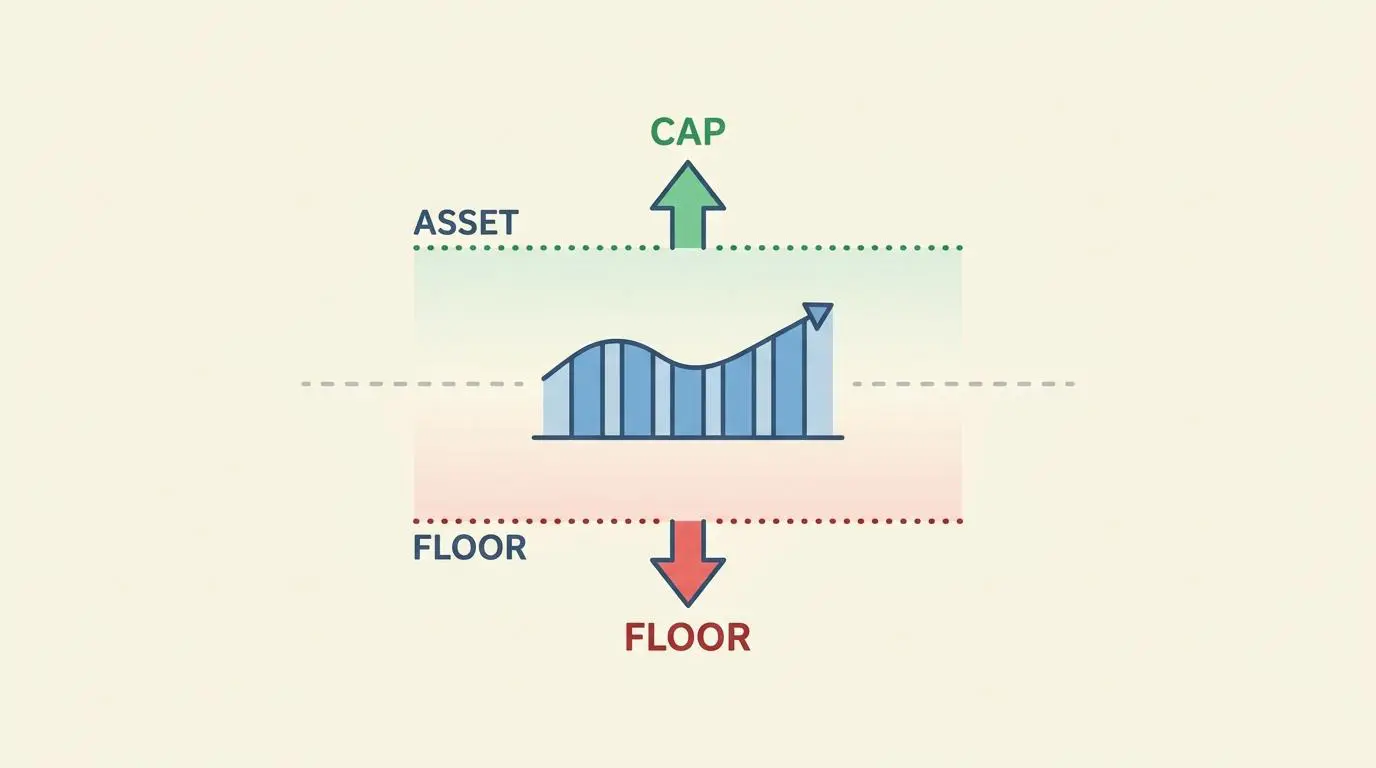
Strategies such as the zero-cost collar options strategy protect downside risk while maintaining upward mobility. By capping potential losses, investors can aggressively pursue growth without fearing a devastating secondary crash.
Escaping the Liquidity Trap

One of the most dangerous friction points in wealth building is the liquidity trap. When markets fall, human instinct screams at us to hoard cash.
However, standard high-yield savings accounts often offer yields that barely track the consumer price index.
Sitting in cash means your money is quietly evaporating due to inflation. You are trading market volatility for guaranteed purchasing power destruction.
This fear-driven paralysis causes investors to miss the explosive early-stage rebound of risk assets.
Modern recovery architecture requires sophisticated cash management. Advanced inflation-shield portfolios utilize automated commodity and treasury exposure to ensure your capital remains robust.
Here are the core elements to monitor:
- The Permanent Plateau: When cost-cutting measures fail to outpace inflation, leaving your net worth stagnant.
- The Liquidity Trap: Holding excessive cash out of fear, causing you to miss the explosive early-stage rebound of risk assets.
- Inflation-Shield Portfolios: Automated commodity and treasury exposure that ensures cash reserves maintain their purchasing power.
Multiplying Your Revenue Engines
Over-reliance on a single salary makes any recovery plan incredibly fragile. If your entire financial ecosystem is tied to one employer, a single job loss resets your entire wealth-building timeline to zero.
You need multiple engines driving your financial vehicle forward.
True recovery is accelerated by diversifying your income streams beyond traditional public equities or a bi-weekly paycheck. Fractional equity ownership in private businesses is rapidly becoming the gold standard for this diversification.
Leading investment platforms have seen massive surges in adoption as investors seek alternative growth avenues.
These platforms allow ambitious individuals to capture non-correlated income. By planting financial seeds in private markets, you build a fortress of revenue streams.
These alternative assets operate independently of public stock market crashes.
Shielding Assets from Double-Dips

The psychological tendency to take excessive risk to make it all back often leads to a second, more devastating loss. This double-dip wealth destruction is the enemy of compounding interest.
You cannot build a skyscraper on a crumbling foundation.
Modern recovery plans utilize zero-cost collars to build an impenetrable floor under your assets. This hedging strategy uses options to protect your downside while capping your upside.
Many retail trading platforms now offer one-click portfolio insurance modules to automate this vital protection.
Additionally, the recency-bias reset strategy is vital here. This tactic involves intentionally re-weighting a portfolio toward sectors that have underperformed recently but show strong relative strength improvements.
Historically, this outpaces chase-the-trend recovery models, providing a calculated and shielded path upward.
Rewiring the Investor Mindset

Loss aversion bias is a silent wealth killer. It causes investors to sell their winning assets too early and hold onto their losing assets far too long.
This emotional sabotage completely flattens the recovery curve.
To combat this, behavioral finance tools are revolutionizing how we interact with our money. Advanced platforms are now integrated directly into modern brokerage apps.
They monitor your actions to detect erratic revenge trading patterns before they cause permanent damage.
When these tools detect an attempt to over-leverage after a loss, they can suggest a mandatory cooling-off period. This algorithmic intervention saves investors from their own worst instincts.
It ensures the recovery architecture remains logically sound and mathematically driven.
Leveraging Tax Alpha for Growth
Tax drag is the hidden leak in your financial bucket. It can consume a massive portion of your recovery gains if assets are held in inefficient structures during the rebound phase.
Ignoring tax optimization is like driving with the parking brake engaged.
Modern tax codes heavily favor direct indexing for recovery portfolios. This strategy allows investors to harvest losses at the individual stock level within a broader index.
It turns market turbulence into a distinct mathematical advantage.
This creates a tax alpha that effectively subsidizes your rebuilding process. By optimizing your tax footprint, you keep more of your money compounding in the market.
This accelerates your journey back to peak net worth.
The Autonomous Wealth Rebound
Human latency in decision-making is a massive liability. Most individual investors wait for the dust to settle, meaning they buy back into the market much higher than the actual bottom.
Hesitation costs you the most lucrative phase of the rebound.
Enter the era of autonomous finance agents. AI-driven wealth systems are now managing micro-recovery cycles with ruthless efficiency.
These intelligent systems sweep surplus daily cash instantly into undervalued micro-sectors.
By relying on real-time sentiment analysis data, these agents make split-second allocation decisions. They remove human emotion and delay from the equation.
This ensures your capital is always positioned for maximum upside the moment the tide turns.
The Dawn of Programmatic Wealth
We are witnessing a monumental shift toward programmatic recovery. Smart contracts now automatically trigger asset reallocation and tax-loss harvesting the very moment a portfolio hits a pre-defined recovery floor.
This removes all human emotion from the rebuilding process.
By adopting a Financial Resilience and Recovery Architecture, you are no longer at the mercy of market whims. You become the architect of your own financial destiny.
You can utilize automation, tax optimization, and behavioral safeguards to guarantee your upward trajectory.
Navigating the complexities of wealth building, long-term investments, and financial planning requires a sharp strategy.
To scale your financial growth and build a resilient digital architecture for your business, connect with Andres at Andres SEO Expert.
Frequently Asked Questions
What is a Financial Resilience & Recovery Architecture?
A Financial Resilience & Recovery Architecture is a dynamic framework that shifts from defensive austerity to an offensive financial engine. It utilizes automation, tax optimization, and diversified income streams to actively seek growth and protect capital, enabling a faster return to peak net worth.
How does automated algorithmic rebalancing accelerate portfolio recovery?
Automated algorithmic rebalancing removes human hesitation and executes trades instantly during market dips. According to 2026 data, portfolios using this technology recovered 64% faster than manually managed accounts by capturing the upside of market rebounds more efficiently.
What is the liquidity trap in wealth building?
The liquidity trap occurs when investors hoard excessive cash out of fear during market downturns. This results in purchasing power destruction as inflation outpaces low savings yields, causing investors to miss the critical early-stage rebound of risk assets.
How do zero-cost collar strategies protect assets from double-dips?
A zero-cost collar is a hedging strategy that uses options to create an impenetrable floor under your assets. By protecting the downside while capping the upside, it allows investors to pursue growth without the risk of a devastating secondary market crash.
What is Tax Alpha and how does it assist in recovery?
Tax Alpha is the additional return generated through systematic tax-loss harvesting and direct indexing. This strategy turns market losses into immediate tax savings, which can add an average of 22% to total net returns over a three-year recovery period by subsidizing the rebuilding process.
How do autonomous finance agents improve investment outcomes?
Autonomous finance agents use AI and sentiment analysis to manage micro-recovery cycles without human latency. These systems sweep surplus cash into undervalued sectors instantly, ensuring capital is always positioned for maximum upside the moment a market shift occurs.