Executive Summary
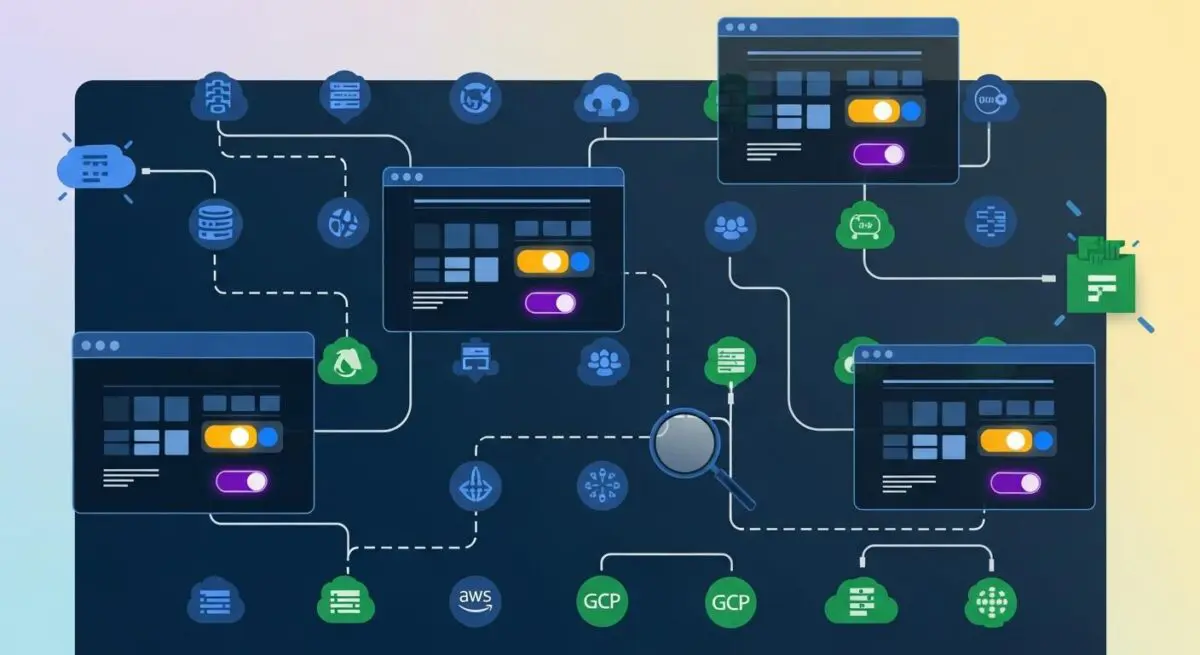
- Identity Governance: CIEM provides centralized visibility and control over human and machine identities across multi-cloud environments.
- Least Privilege Enforcement: It automatically identifies and remediates excessive permissions to minimize the cloud attack surface.
- Continuous Monitoring: The technology tracks entitlement drift and provides real-time auditing for compliance and security posture management.
What is CIEM (Cloud Infrastructure Entitlement Management)?
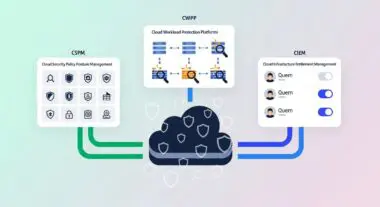
CIEM (Cloud Infrastructure Entitlement Management) is a specialized cloud security category designed to manage and secure identities and their associated permissions within multi-cloud environments. As organizations migrate to platforms like AWS, Azure, and GCP, the number of human and non-human identities—such as service accounts, bots, and serverless functions—often grows exponentially.
This technology focuses on the Principle of Least Privilege (PoLP) by identifying, managing, and limiting the entitlements granted to these identities. It provides deep visibility into complex, nested permissions that are often obscured by the native tools of cloud service providers.
By utilizing automated discovery and remediation, CIEM tools help security teams detect “entitlement creep,” where identities accumulate more access than necessary for their functional roles. This proactive management is essential for maintaining a robust security posture in dynamic, software-defined infrastructures.
The Real-World Analogy
Imagine a massive, high-security corporate headquarters where every employee, contractor, and automated delivery robot is issued a digital keycard. Over time, the janitor accidentally gains access to the server room, and a temporary intern is granted the ability to sign multi-million dollar contracts because of a clerical error in the keycard system.
CIEM acts as an intelligent, 24/7 security supervisor that constantly audits every single keycard in the building. It notices that the janitor has never actually entered the server room and immediately revokes that access, while also flagging that the intern’s permissions are dangerously high for their role.
Instead of waiting for a security breach to happen, the system automatically adjusts everyone’s access levels to the absolute minimum required to perform their specific jobs, ensuring the building remains secure without hindering daily operations.
How CIEM Drives Strategic Growth & Market Competitiveness?
CIEM directly influences a company’s bottom line by reducing the financial and reputational risks associated with data breaches. In the modern digital economy, a single misconfigured cloud permission can lead to catastrophic data leaks, resulting in massive regulatory fines and a loss of customer trust that can take years to rebuild.
From an operational efficiency standpoint, CIEM automates the complex task of permission auditing, which was previously a manual and error-prone process. This automation allows DevOps and security teams to focus on high-value innovation rather than administrative overhead, accelerating the time-to-market for new digital products and services.
Furthermore, CIEM enhances data integrity and compliance, which are critical for enterprise-level sales and partnerships. By maintaining a provable state of least privilege, organizations can easily satisfy the rigorous security requirements of SOC2, GDPR, and HIPAA, making them more attractive to high-value clients who prioritize data security.
Strategic Implementation & Best Practices
- Comprehensive Identity Inventory: Begin by discovering all identities across all cloud providers, ensuring that non-human identities like service accounts and API keys are included in the audit.
- Automated Rightsizing: Utilize CIEM tools to analyze historical usage data and automatically revoke unused or excessive permissions, moving toward a zero-trust architecture.
- Integration with CI/CD: Embed entitlement checks into the development pipeline to ensure that new infrastructure is deployed with secure, minimal permissions from the outset.
- Continuous Drift Detection: Set up real-time alerts for any changes in permissions that deviate from established security baselines to prevent unauthorized access escalation.
Common Pitfalls & Strategic Mistakes
A frequent error is focusing exclusively on human users while neglecting machine identities. In modern cloud architectures, service accounts and automated scripts often possess higher privileges than human administrators, making them prime targets for exploitation.
Another mistake is relying solely on native cloud provider tools in a multi-cloud strategy. Native tools often lack the cross-platform visibility required to manage permissions consistently, leading to security silos and inconsistent governance across the organization’s infrastructure.
Conclusion
CIEM is a critical component of modern cloud security that ensures identity-based risks are mitigated through automated governance and the enforcement of least privilege. Implementing CIEM allows organizations to scale their cloud operations securely while maintaining the data integrity necessary for long-term strategic growth.