

Key Points
- Unified Commerce Pipelines: Connect ERP systems directly to digital signage APIs and e-commerce databases via webhooks to eliminate manual CSV uploads.
- Edge-to-Cloud Syncing: Utilize local media players to cache JSON pricing data, preventing display outages during unexpected internet failures.
- Compliance and Experience: Ensure 100% price parity between physical boards and mobile checkout to avoid regulatory fines and prevent customer checkout shock.
Table of Contents
- The Price-Point Paradox
- The True Cost of Stale Data
- Eradicating the Swivel-Chair Workflow
- Bypassing IT Bottlenecks with Webhooks
- Preventing Checkout Shock at the Point of Sale
- Edge-to-Cloud Resilience for Unbroken Displays
- Shielding Against Regulatory Fines
- Autonomous Pricing Nodes and the 2026 Horizon
- Scaling Unified Commerce Operations
The Price-Point Paradox
Imagine launching a regional happy hour promotion across fifty store locations, only to realize the digital menu boards updated but the mobile checkout app did not.
This exact scenario triggers immediate customer frustration, operational chaos, and a frantic scramble to manually fix databases. The disconnect between disparate digital signage content management systems and local e-commerce pages creates a massive operational liability.
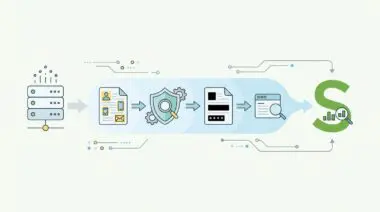
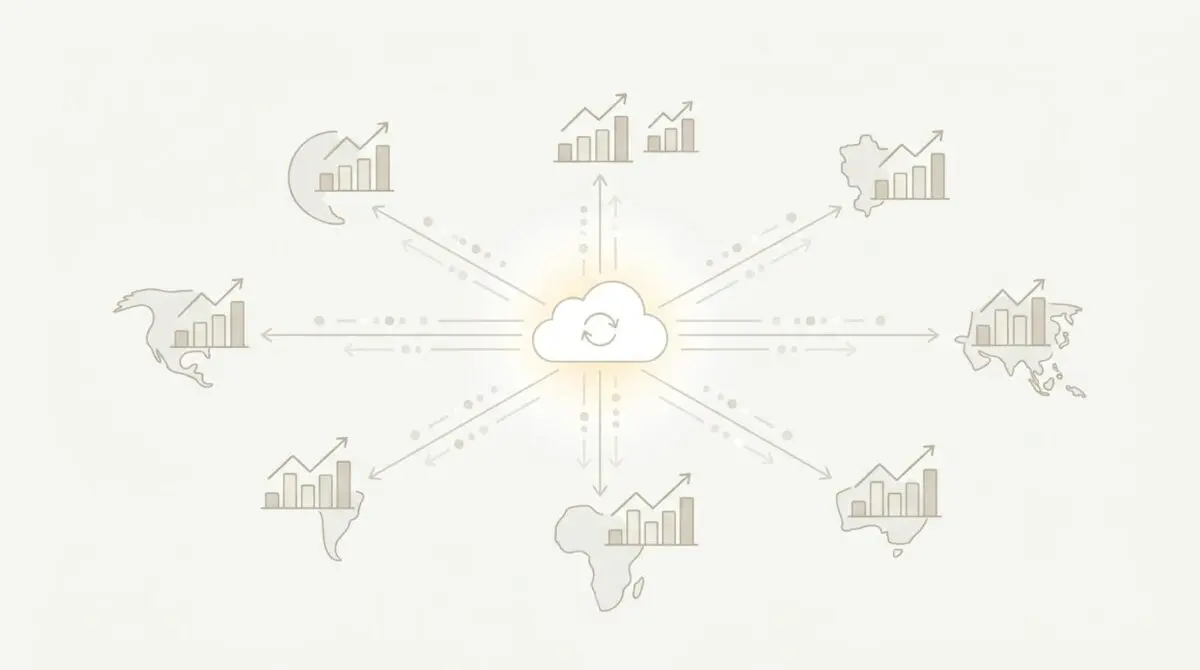
To eliminate this friction, forward-thinking brands are deploying an Omni-channel Pricing Synchronization Engine. This centralized architecture ensures that the price on the store shelf and the digital cart update within the exact same 60-second window.
The True Cost of Stale Data
Market Intelligence & Data
Independent Retailer Mismatch Rate
According to a 2025 Brain Corp retail study, nearly 7 in 10 independent retailers fail to maintain price parity between digital displays and checkout systems.
Operational Error Loss
The 2026 Total Retail Loss Benchmark Report by Appriss Retail identifies $12 billion in annual losses directly attributed to preventable operational errors including pricing discrepancies.
AI-Signage Integration
A 2026 Strategic Market Research report projects that 67% of large QSR chains will have fully integrated AI-enabled digital menu boards with their POS by year-end.
Operator Profitability Crisis
In the 2026 State of the Restaurant Industry report, the National Restaurant Association found that 42% of operators were unprofitable in 2025, making automated pricing efficiency a survival requirement.
The operational reality for many operators is far bleaker than anticipated when examining the 69 percent mismatch rate. It is alarming that nearly 7 in 10 independent retailers fail to maintain price parity between digital displays and checkout systems. This gap directly erodes consumer trust and forces frontline staff to manually override transactions during peak hours.
When scaling these inefficiencies across an enterprise, the financial bleed becomes catastrophic. Industry benchmarks now highlight $12 billion in annual losses directly attributed to preventable operational errors including pricing discrepancies. An automated synchronization engine is no longer a luxury, but a critical tool for preserving razor-thin margins.
To combat these losses, large quick-service restaurant chains are aggressively pivoting toward smarter hardware architectures. Current projections indicate that 67 percent of these massive brands will have fully integrated AI-enabled digital menu boards with their point-of-sale systems by the end of the year. This shift signals the death of manual data entry in enterprise retail environments.
The urgency to modernize is heavily compounded by the severe profitability crisis facing the sector. With 42 percent of operators reporting unprofitability in recent years, every single pricing error represents a direct hit to the bottom line. Automated pricing efficiency has officially transitioned from an operational upgrade to an absolute survival requirement.
Eradicating the Swivel-Chair Workflow
Operational teams currently struggle with the tedious reality of manual CSV uploads across heavily fragmented platforms. Managing separate instances of ScreenCloud, Raydiant, and individual Shopify stores requires a frustrating swivel-chair data entry process.
This repetitive human intervention is the primary driver behind a staggering 23 percent pricing error rate observed in high-volume retail sectors. Every manual keystroke introduces the risk of a misaligned decimal or an outdated promotional tier.
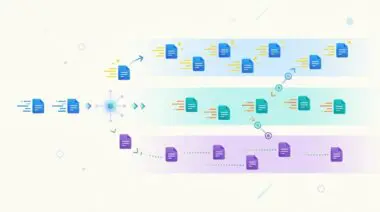
Deploying an Omni-channel Pricing Synchronization Engine bridges this gap by unifying the data pipeline. It guarantees the ability to push a global pricing strategy to both physical displays and digital carts simultaneously.
Bypassing IT Bottlenecks with Webhooks
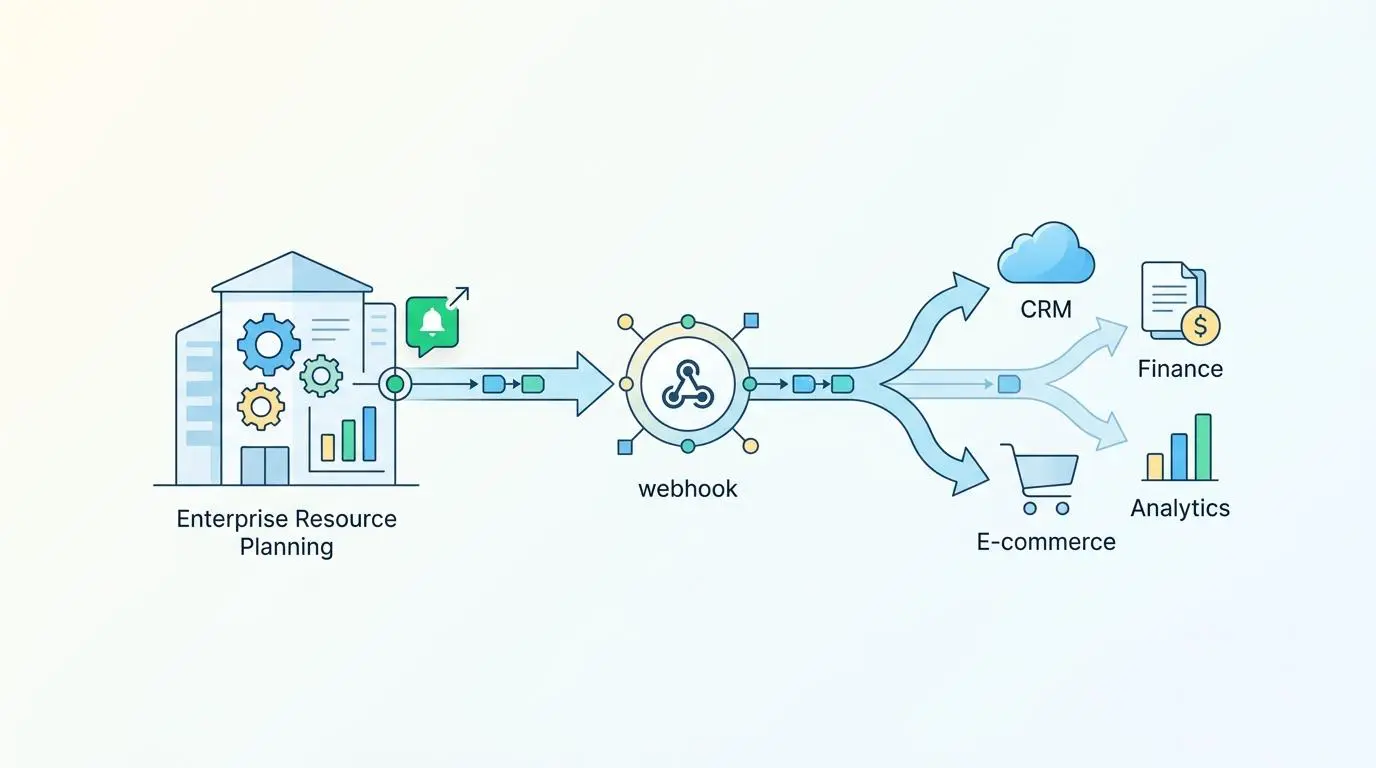
Modern workflows have completely bypassed the traditional IT gatekeepers that previously stalled agile marketing campaigns. Advanced architectures now leverage platforms like Make.com and n8n to connect enterprise resource planning systems directly to digital signage APIs.
By utilizing webhooks, marketing teams can trigger instant regional updates from an Airtable or Google Sheet source of truth. This empowers non-technical staff to execute complex pricing adjustments without waiting on engineering tickets.
Historically, relying on IT departments for simple price adjustments caused unacceptable 48-hour delays for tasks that should take five minutes. The low-code revolution fundamentally democratizes this process for unparalleled speed to market.
Preventing Checkout Shock at the Point of Sale
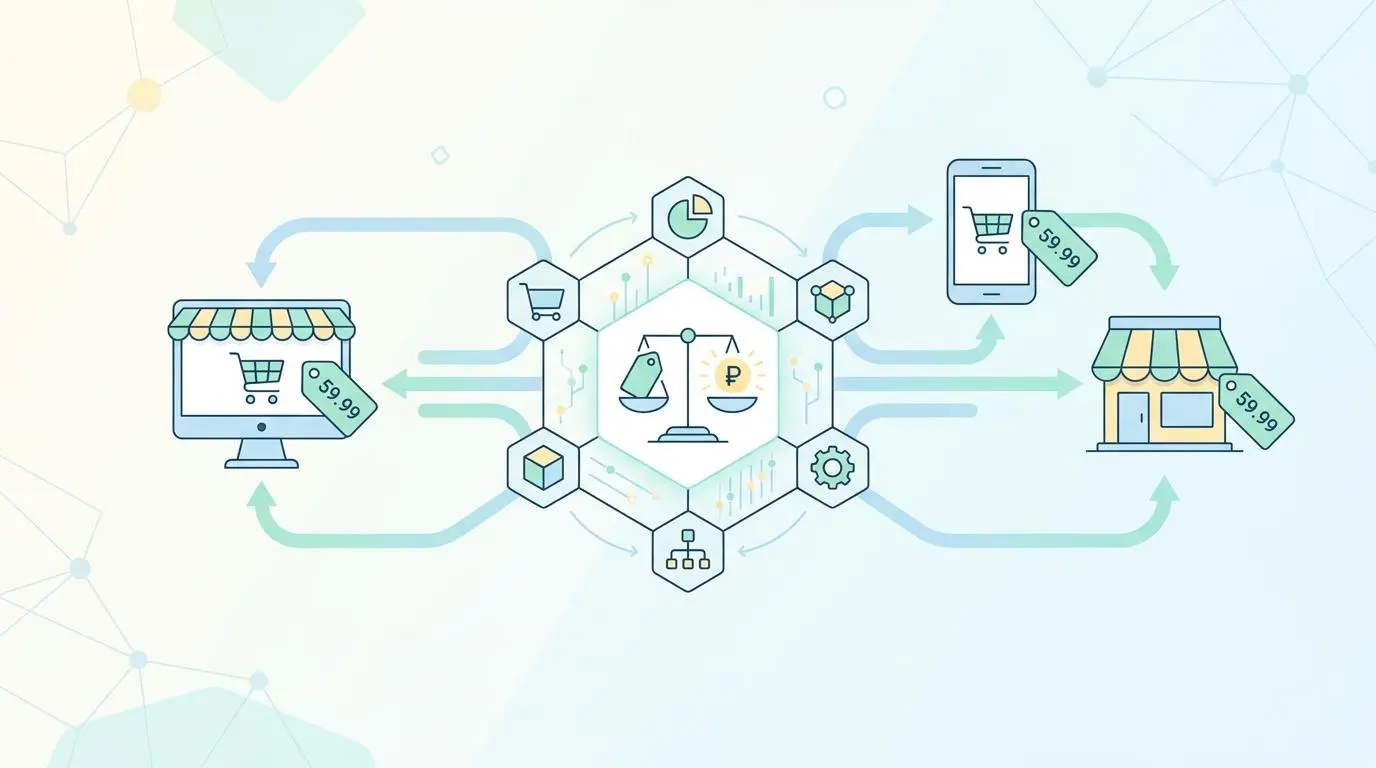
A seamless customer experience is entirely dependent on absolute price parity across all physical and digital touchpoints. When a customer sees a promotional price on a digital board, they expect that exact same price reflected in their mobile app’s geofenced checkout.
Failing to deliver this consistency results in checkout shock, where a consumer discovers a higher price at the point of sale than what was advertised. This single moment of friction is a primary catalyst for cart abandonment and negative brand perception.
To combat this, leading brands are utilizing unified commerce platforms to guarantee absolute parity. A centralized Omni-channel Pricing Synchronization Engine ensures the customer journey remains unbroken and fully transparent.
Edge-to-Cloud Resilience for Unbroken Displays
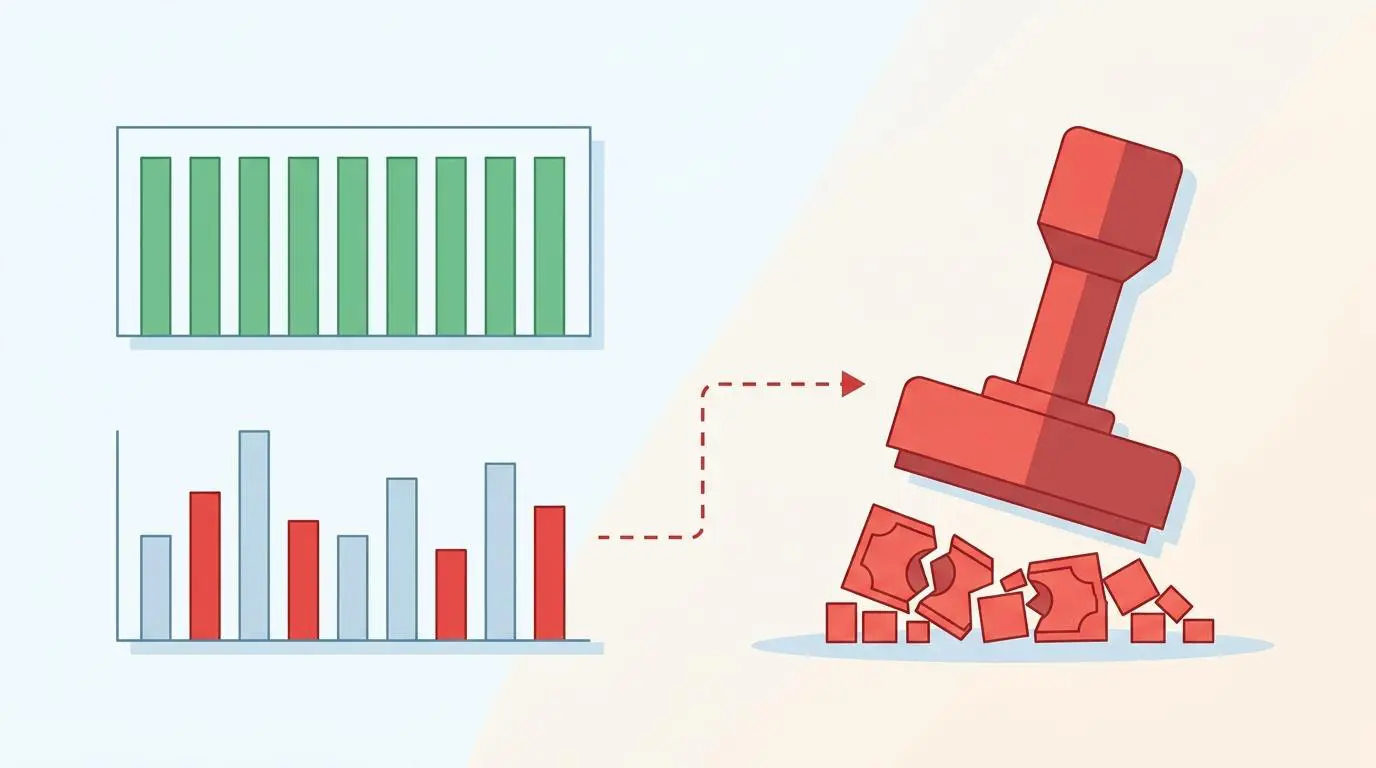
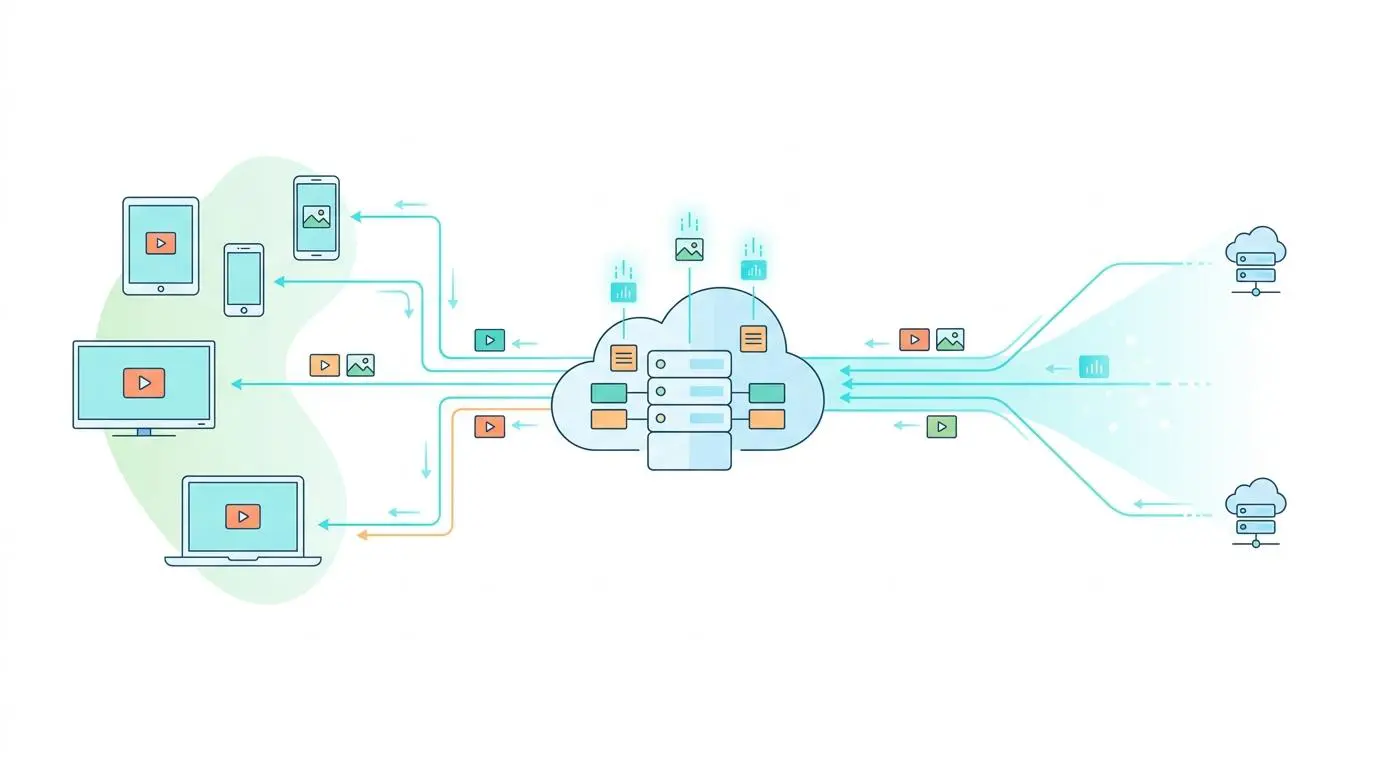
Real-time data pipelines must be engineered to withstand the unpredictable nature of retail internet connectivity. Modern deployments utilize an edge-to-cloud synchronization model to maintain uptime during critical outages.
Local media players like BrightSign or Raspberry Pi are programmed to cache pricing JSON data locally at the edge. This localized memory ensures that even if the store’s internet connection completely fails, the menu board safely reflects the last verified e-commerce price.
Without this failsafe, internet outages in retail environments cause frozen or incorrect legacy pricing to display on public-facing screens. Edge computing guarantees that your digital signage is never caught displaying inaccurate information.
Shielding Against Regulatory Fines
The liability risk associated with stale digital menu data extends far beyond simple customer dissatisfaction. Regulatory bodies have aggressively increased fines for pricing non-compliance across the retail landscape.
State inspectors currently levy severe penalties, often reaching up to five thousand dollars per violation for items scanning higher than the advertised board price. This makes unintentional overcharging a massive financial and legal liability for multi-location operators.
A July 2025 Brain Corp study revealed that over half of all retail stores surveyed suffered from mismatches between labeled and scanned prices. This alarming finding has rapidly accelerated the 2026 adoption of automated sign-to-scan verification software to ensure strict legal compliance.
Autonomous Pricing Nodes and the 2026 Horizon
The market is rapidly shifting toward autonomous pricing nodes where digital signage hardware performs its own API checks against regional inventory levels. This eliminates the need for central pushes and moves operations toward a pull-based, real-time edge computing model.
By late 2026, intelligent agents will manage dynamic hyper-localization across all storefronts. Pricing will automatically adjust based on real-time local weather patterns, such as slightly elevating the cost of cold drinks during unexpected heatwaves.
These systems will also integrate with live inventory levels reported by computer vision shelf-scanners. Relying on static pricing strategies that fail to capitalize on fleeting, hyper-local demand shifts will soon render legacy brands obsolete.
Scaling Unified Commerce Operations
The era of manual data entry and fragmented digital signage management is rapidly drawing to a close. Embracing an Omni-channel Pricing Synchronization Engine is the definitive path toward eliminating costly errors and unlocking true operational agility.
As we move toward a future of autonomous pricing nodes and edge-computed inventory checks, the brands that automate first will capture the most market share. Real-time parity is the foundation of consumer trust and enterprise scalability.
Navigating the intersection of technology, workflows, and operational efficiency requires a sharp strategy. To future-proof your business architecture and scale with precision, connect with Andres at Andres SEO Expert.
Frequently Asked Questions
What is an Omni-channel Pricing Synchronization Engine?
An Omni-channel Pricing Synchronization Engine is a centralized architecture that unifies data pipelines to ensure price updates are pushed to digital menu boards, shelf labels, and point-of-sale systems simultaneously, typically within a 60-second window.
Why is price parity critical for modern retailers and QSRs?
Price parity is essential because mismatches between advertised prices and checkout costs lead to checkout shock, cart abandonment, and a loss of consumer trust. Research shows that 69% of independent retailers fail to maintain this parity, resulting in significant operational friction.
How does the manual swivel-chair workflow impact pricing accuracy?
The swivel-chair workflow involves manual CSV uploads across fragmented platforms, which leads to a 23% pricing error rate. These preventable human errors contribute to a collective $12 billion in annual losses across the retail industry.
How can webhooks and low-code platforms improve pricing agility?
Platforms like Make.com and n8n use webhooks to connect ERP systems or spreadsheets directly to digital signage APIs. This allows marketing teams to bypass IT bottlenecks and execute regional pricing updates in five minutes rather than 48 hours.
What is edge-to-cloud resilience in digital menu boards?
Edge-to-cloud resilience uses local media players to cache pricing data at the edge. This ensures that even if a store loses internet connectivity, the digital displays continue to show the last verified pricing data instead of freezing or displaying incorrect information.
What are the legal consequences of pricing mismatches?
Regulatory bodies can impose severe penalties for pricing non-compliance, often reaching $5,000 per violation for items that scan higher than the advertised board price. Automated synchronization protects operators from these financial and legal liabilities.
What is the future of autonomous pricing nodes in retail?
By late 2026, autonomous pricing nodes will allow hardware to perform its own API checks against inventory levels. These systems will use AI to adjust prices in real-time based on local weather patterns and computer vision shelf-scanning data.