


Key Points
- NLP-driven Performance Synthesis eliminates recency bias by aggregating continuous real-time feedback across diverse communication platforms.
- Modern no-code workflows in n8n 2.0 enable HR teams to build custom data pipelines without relying on complex engineering resources.
- Automated review summaries drastically reduce administrative burnout and save managers an average of 12 hours per week during evaluation cycles.
Table of Contents
- The Trap of the Annual Evaluation
- The True Cost of Administrative Overhead
- Erasing the Daily Friction of Data Gathering
- Empowering HR with No-Code Data Pipelines
- Deploying AI Agents for Continuous Organizational Listening
- Mitigating the Hidden Costs of Manual Work
- Ensuring Security Privacy and Algorithmic Compliance
- Measuring the Tangible ROI of Automated Synthesis
- Simulating the Future of Talent Management
The Trap of the Annual Evaluation
Imagine a dedicated manager staring at a blank screen late on a Friday night. They are desperately trying to summarize an entire year of an employee’s contributions from memory.
They dig through endless Slack channels, sift through closed Jira tickets, and scroll past buried email threads. This process is digital archeology at its absolute worst.
It creates a massive structural inefficiency that breeds recency bias. In most traditional setups, only the last three weeks of an employee’s performance are actually remembered and rewarded.
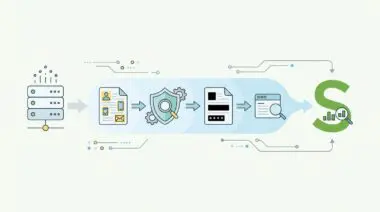
The ultimate solution to this widespread corporate friction is NLP-driven Performance Synthesis (Automated Review Summaries). This technology transforms fragmented daily interactions into coherent, highly objective evaluations.
By automating the data gathering process, this framework reclaims countless hours of lost productivity. It empowers leadership to focus on actual human mentorship rather than tedious manual data entry.
The True Cost of Administrative Overhead
Understanding the financial and emotional toll of manual evaluations requires looking at the raw data.
Market Intelligence & Data
HR Burnout Crisis
According to Stribe’s Big HR Check-in Report for 2025-2026, 85% of HR professionals report experiencing burnout, driven primarily by constant reactive work and administrative overhead.
Real-Time AI Adoption
Research from 2025 indicates that 70% of high-performing organizations have transitioned to AI-driven real-time performance tracking rather than annual snapshots (Source: GoWindmill/Harvard Research).
Global Burnout Cost
A 2026 Gallup analysis reported by Naboo identifies that employee burnout costs the global economy $322 billion annually in lost productivity and healthcare expenses.
Bias Reduction Metric
AI-assisted performance summaries have reduced perceived manager bias in reviews by up to 50% as of 2025 by relying on objective, cross-platform data metrics (Source: Vertex/GoWindmill 2025 Research).
The traditional review cycle is breaking the very people tasked with managing it. According to recent industry benchmarks, a staggering 85 percent of human resources professionals are currently experiencing severe burnout. This exhaustion is not driven by strategic organizational planning, but rather by the relentless administrative overhead of chasing down manual evaluations.
Forward-thinking enterprises are rapidly abandoning the outdated annual snapshot model to preserve their workforce. Research indicates that 70 percent of high-performing organizations have already transitioned to AI-driven real-time performance tracking. This operational shift is largely made possible by advanced backend automation frameworks like the n8n 2.0 release in January 2026, which allows seamless data flow between previously siloed systems.
The financial impact of this widespread exhaustion extends far beyond individual departments. A recent comprehensive Gallup analysis reveals that employee burnout costs the global economy $322 billion annually. When manual, tedious review cycles drain managerial energy, overall workplace productivity plummets across the entire organization.
Beyond saving time, real-time data aggregation fundamentally improves the fairness of employee evaluations. Automated performance summaries have successfully reduced perceived manager bias by up to 50 percent across measured organizations. By relying on objective, cross-platform metrics rather than subjective memory, companies ensure equitable compensation cycles and build a culture of deep organizational trust.
Erasing the Daily Friction of Data Gathering
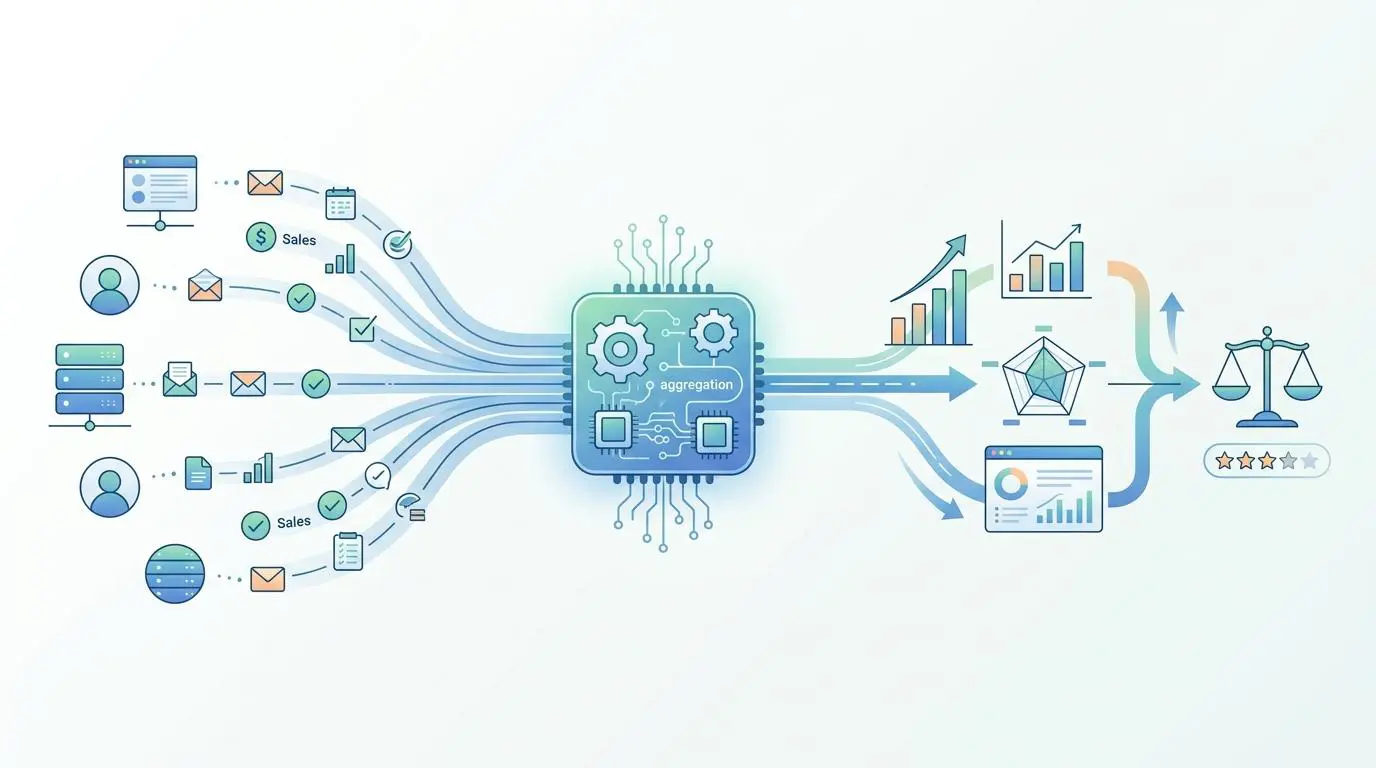
In a standard corporate environment, managers traditionally spend upwards of twenty hours per cycle manually aggregating data. They are forced to cross-reference Slack messages, Jira tickets, and sprawling email chains.
This manual reconstruction of months of work history inevitably leads to subjective recollection. Documentation gaps occur frequently, resulting in unfair or incomplete performance ratings for top-tier talent.
Modern workflow tools have evolved to completely eliminate this structural bottleneck. Platforms like Windmill, utilizing their 2026 ‘Windy’ framework, now gather context directly from GitHub and Notion in real-time.
This creates an automated paper trail of accomplishments as they happen. Managers no longer have to rely on their flawed memory to reward consistent daily execution.
Empowering HR with No-Code Data Pipelines
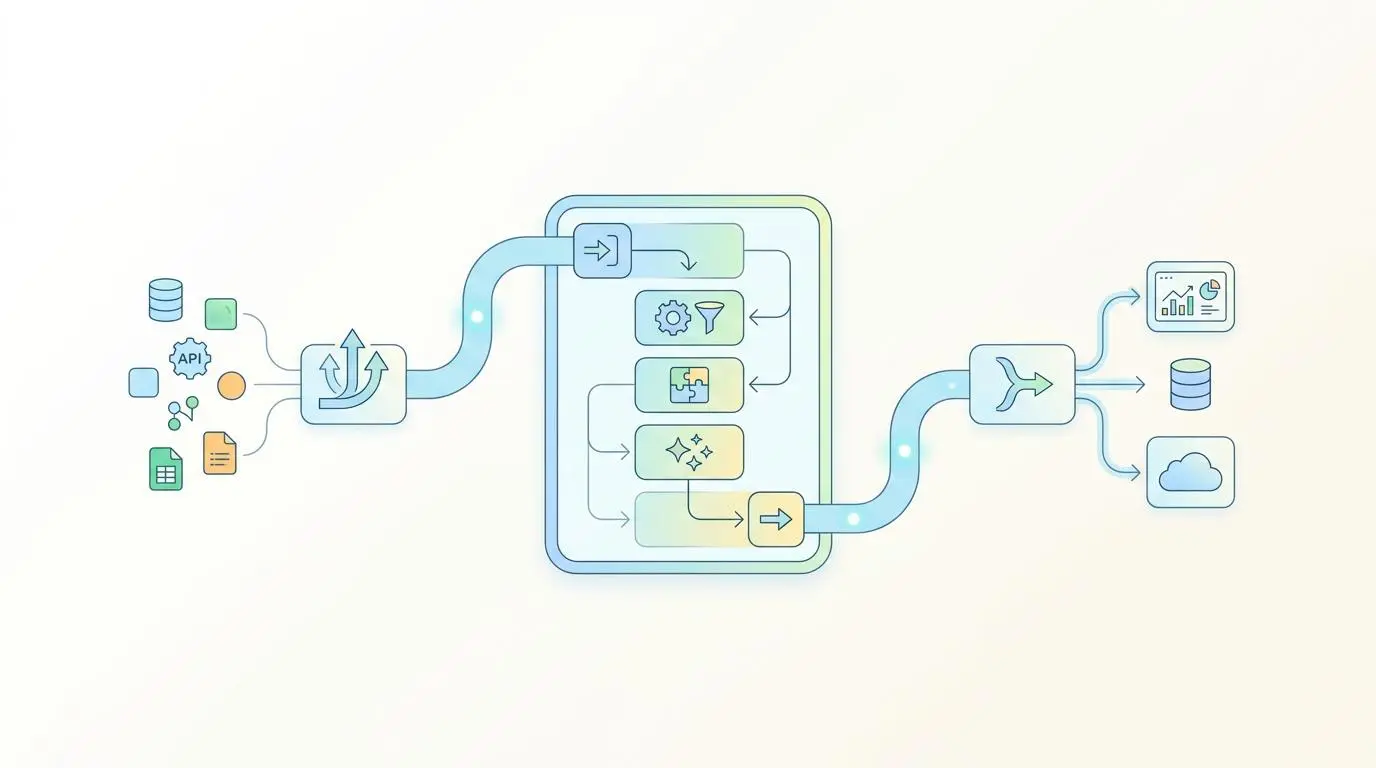
For years, standard human resource information systems could not talk to operational productivity tools. This left valuable employee feedback completely fragmented across different software ecosystems.
The launch of n8n 2.0 fundamentally changed how non-technical teams handle data integration. It integrated native LangChain nodes, allowing HR departments to build custom performance pipelines without writing a single line of code.
These pipelines seamlessly sync official Workday data with real-time feedback logs from platforms like 15Five and Lattice. The n8n 2.0 release introduced over seventy AI nodes with persistent agent memory, enabling AI to remember specific employee milestones across multi-month review cycles.
This persistent memory is a feature previously missing from older Zapier and Make architectures. It ensures that an achievement from February is accurately reflected in a November evaluation without manual intervention.
Deploying AI Agents for Continuous Organizational Listening

Unstructured feedback data from diverse communication channels has historically remained unanalyzed and unactionable. Important peer-to-peer praise is often lost in the noise of daily operations.
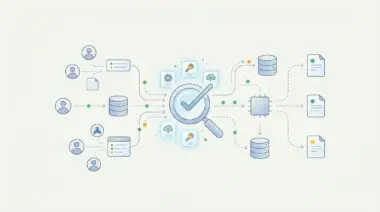
Agentic AI systems, such as Asanify and Betterworks, now act as a continuous organizational listening system. They use advanced Natural Language Processing to monitor the pulse of the workforce.
These intelligent agents detect early signs of employee disengagement by analyzing communication patterns. They automatically draft coaching prompts for managers based on continuous sentiment analysis.
This proactive approach transforms managers into effective coaches rather than mere administrators. It addresses performance hurdles months before they become formal disciplinary issues.
Mitigating the Hidden Costs of Manual Work
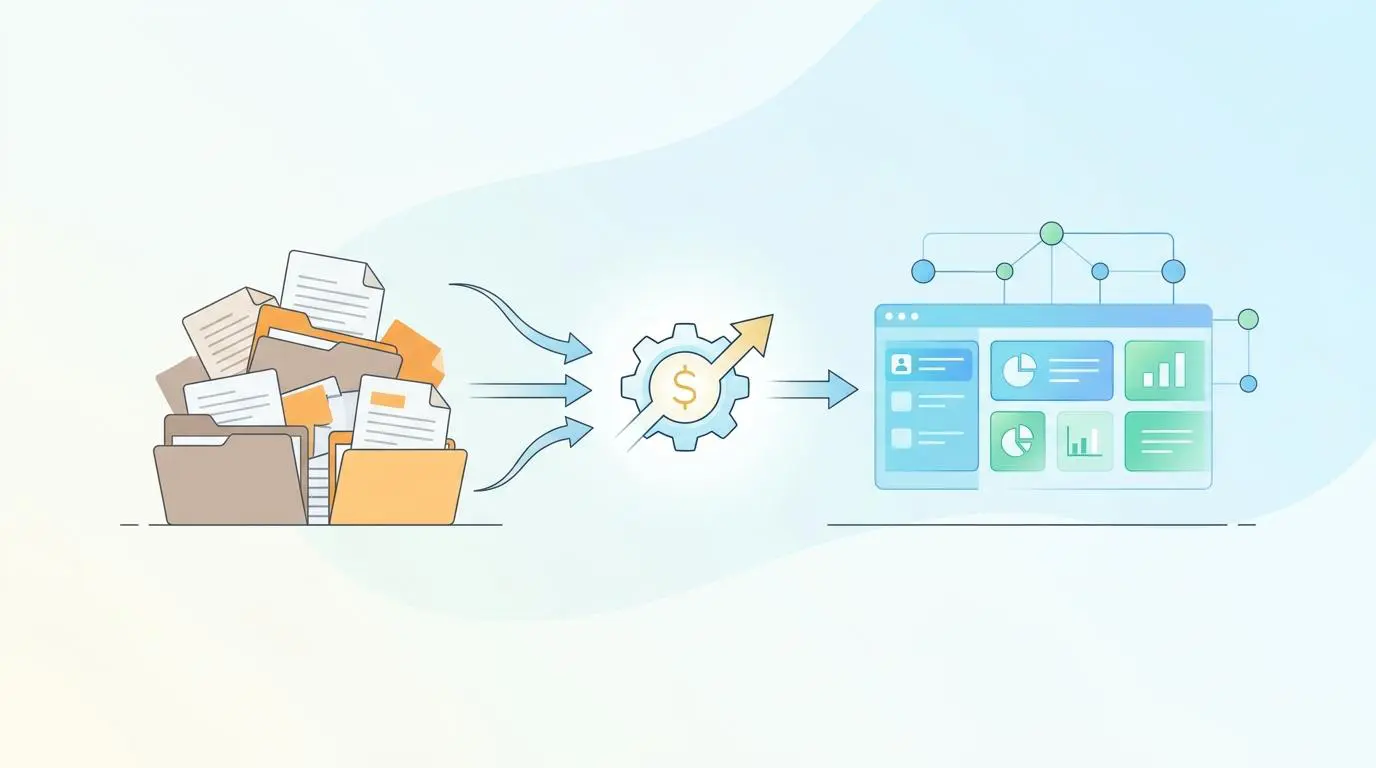
Manual review cycles are a primary contributor to what industry experts call silent burnout. The mental load of sorting through six to twelve months of fragmented notes causes severe cognitive fatigue.
Recent research from Stribe shows that reactive work and competing priorities are the top drivers of exhaustion for HR professionals. They are currently operating at an all-time high turnover rate.
By automating the synthesis of performance data, organizations immediately relieve this psychological burden. HR teams can finally transition from reactive compliance enforcers to strategic talent architects.
This shift drastically improves retention within the HR department itself. It proves that automation is as much about protecting employee mental health as it is about operational speed.
Ensuring Security Privacy and Algorithmic Compliance
Deploying AI in human resources requires strict adherence to evolving global privacy standards. There is a legitimate risk of sensitive employee performance data leaking into public language model training sets.
Modern AI performance tools must adhere to the stringent 2026 AI Act updates. These regulations mandate transparent calibration logs to ensure algorithmic fairness.
- Human-in-the-Loop Verification: Ensures that AI suggestions are always reviewed by a human manager before impacting compensation.
- Data Segregation Protocols: Prevents internal review data from communicating with external, public-facing machine learning models.
- Bias Auditing Frameworks: Automatically flags language that indicates gender or racial bias in peer-to-peer feedback.
By building these compliance measures directly into the automation pipeline, companies mitigate legal risks. They ensure that their efficiency gains do not violate strict GDPR protocols.
Measuring the Tangible ROI of Automated Synthesis
The financial overhead of traditional review season is staggering for mid-market enterprises. Productive output essentially grinds to a halt as entire departments focus on administrative compliance.
According to recent platform benchmarks, automated performance summaries save managers an average of twelve hours per week during evaluation periods. This massive time reduction translates directly to the bottom line.
Companies are recovering millions in labor costs simply by eliminating manual data entry. These reclaimed hours are immediately redirected toward product development, sales, and strategic growth initiatives.
The return on investment for NLP-driven performance synthesis is realized within the very first review cycle. It is one of the fastest time-to-value automation deployments available today.
Simulating the Future of Talent Management
By late 2026, performance management will shift entirely from scoring the past to simulating the future. Predictive AI agents will analyze real-time data to suggest personalized career pathing and skill-gap training.
This proactive methodology ensures that employees receive the resources they need before a formal review even occurs. The workplace will transform into an adaptive environment that naturally scales with human potential.
Automation is no longer just about cutting costs; it is about engineering a fairer, more dynamic corporate culture. The organizations that embrace this continuous synthesis will attract and retain the best talent in the market.
Navigating the intersection of technology, workflows, and operational efficiency requires a sharp strategy. To future-proof your business architecture and scale with precision, connect with Andres at Andres SEO Expert.
Frequently Asked Questions
What is NLP-driven Performance Synthesis?
NLP-driven Performance Synthesis is an automated framework that uses Natural Language Processing to aggregate fragmented employee data from sources like Slack, Jira, and email. It transforms these interactions into objective performance summaries, eliminating the manual effort and recency bias associated with traditional reviews.
How does AI automation help in reducing manager bias?
AI-assisted performance summaries have been shown to reduce perceived manager bias by up to 50%. By utilizing objective, cross-platform data metrics and continuous tracking, the system ensures that evaluations are based on a full year of achievements rather than just the most recent weeks of work.
What is the economic impact of employee burnout in 2026?
Research from Gallup and Naboo indicates that employee burnout costs the global economy approximately $322 billion annually. This is largely driven by administrative overhead and reactive manual work, which affects 85% of HR professionals and significantly drains organizational productivity.
How does n8n 2.0 facilitate HR data integration?
The n8n 2.0 release introduces native LangChain nodes and over 70 AI nodes with persistent agent memory. This allows non-technical HR teams to build no-code pipelines that sync official Workday data with real-time feedback from platforms like 15Five and Lattice, ensuring long-term milestone tracking.
Can AI performance tools comply with global privacy regulations?
Modern AI performance systems are built to adhere to the 2026 AI Act updates. They utilize human-in-the-loop verification, data segregation protocols to protect sensitive information from public models, and bias auditing frameworks to ensure fair and legal algorithmic compliance.
What is the measurable ROI of automated performance summaries?
Automated performance summaries save managers an average of twelve hours per week during evaluation periods. By eliminating manual data aggregation, enterprises recover millions in labor costs and can redirect managerial energy toward strategic growth and human mentorship.