Key Points
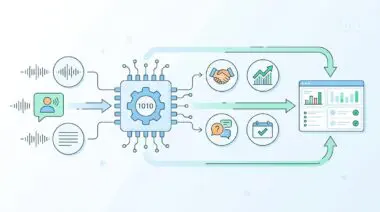
- Low-Code Infrastructure: Modern retail architectures leverage platforms like n8n and Clay to pipe competitor scraping data directly into IoT shelf displays without complex backend engineering.
- Explainable AI Agents: Next-generation agentic engines prevent irrational race-to-the-bottom pricing wars by enforcing strict margin guardrails and documenting every automated price shift.
- Rapid ROI Timelines: Advanced hardware with 10-year battery life allows retailers to achieve full system payoff in under 24 months by entirely eliminating manual tag-swapping labor.
Table of Contents
- The Hidden Tax of Paper Tags and Margin Erosion
- Quantifying the Impact of Real-Time Retail Data
- Eradicating the Physical Lag in Price Synchronization
- Bridging APIs with Low-Code Infrastructure
- Deploying Explainable AI for Margin Protection
- Bypassing Anti-Bot Blocks and API Quota Limits
- Calculating the Labor Savings and Hardware Payoff
- Transitioning to AI-Native Stores and Pick-to-Light Systems
- Future-Proofing Retail with Vision-Validated Shelves
The Hidden Tax of Paper Tags and Margin Erosion
The invisible cost of retail operations is no longer just supply chain delays or shrinkage. It is the thousands of hours bleeding away as store associates painstakingly swap out paper price tags. Every minute spent printing, cutting, and replacing physical labels allows competitors to algorithmically undercut your margins online.
This manual bottleneck creates a massive vulnerability in an era where wholesale costs and competitor strategies fluctuate daily. Enter the era of dynamic electronic shelf label (ESL) pricing automation. This infrastructure completely rewires how physical retail environments respond to digital market pressures.
By connecting physical shelf displays to centralized pricing algorithms, businesses can instantly deploy price adjustments across thousands of locations simultaneously. It transforms a static, labor-intensive chore into an agile, data-driven weapon. However, implementing this technology introduces a complex industry friction known as the trust-margin paradox.
Retailers absolutely must automate pricing to protect their margins against rapid inflation shocks and aggressive competitor discounting. Conversely, consumer sentiment is highly sensitive to real-time dynamic pricing. Shoppers often view sudden, automated cost increases at the shelf as predatory surveillance pricing.
Balancing this paradox requires more than just installing digital screens. It demands a highly orchestrated integration of competitor scraping APIs, localized demand data, and intelligent margin guardrails. When executed correctly, automated pricing infrastructure allows retailers to scale operations seamlessly, eliminate human error, and reclaim countless hours of lost labor.
Quantifying the Impact of Real-Time Retail Data
Market Intelligence & Data
Walmart Automation Target
Walmart is on track to automate 65% of its retail locations with systems like electronic shelf labels by the end of 2026 according to a 2026 industry status report.
Global ESL Market Cap
The global electronic shelf label market is projected to grow at an 18.2% CAGR from 2025 to reach a valuation of $11.39 billion by 2035 according to a May 2026 VMR report.
Dynamic Pricing Revenue Lift
Retailers employing AI-driven dynamic pricing strategies see an average revenue increase of 2% to 7% in 2026 according to Careertrainer.ai research.
Inventory Waste Reduction
Advanced AI-powered retail automation systems are achieving a 15% to 30% reduction in excess inventory for tier-1 retailers as of early 2026 according to Mobio Solutions.
The retail giant’s aggressive push to automate 65% of its retail locations is a massive signal to the broader industry that manual pricing is entirely obsolete. When tier-one players eliminate the physical bottleneck of paper tags, they unlock the ability to react to micro-economic shifts in real time.
This forces mid-market competitors to adopt similar infrastructure or risk being consistently underpriced during peak shopping hours. The operational efficiency gained from this transition allows floor staff to pivot from tedious administrative tasks to high-value customer service roles.
The rapid expansion of the global electronic shelf label market to a projected $11.39 billion valuation underscores a massive infrastructural shift. Retailers are no longer viewing digital tags as a luxury, but rather as a foundational component of their enterprise resource planning ecosystems.
This massive capital influx is driving rapid hardware innovation, resulting in cheaper, more durable e-paper displays with extended battery life. Ultimately, this market growth democratizes the technology, making it accessible to smaller chains previously priced out of the automation landscape.
Achieving a 2% to 7% lift in revenue through AI-driven dynamic pricing strategies represents a game-changing margin expansion for notoriously low-margin retail sectors. By constantly analyzing competitor data, local demand spikes, and inventory levels, the system can autonomously implement micro-adjustments to pricing.
These fractional increases during high-demand periods compound rapidly across thousands of SKUs. Furthermore, the automation prevents margin leakage by ensuring prices are instantly optimized the moment wholesale costs fluctuate.
A 15% to 30% reduction in excess inventory highlights the hidden logistical power of connected shelf labels. When dynamic pricing is synced directly with inventory management systems, retailers can automatically trigger algorithmic markdowns on perishable or slow-moving goods.
This proactive approach clears out stagnant stock before it becomes a total loss, drastically improving cash flow and warehouse efficiency. The result is a leaner, more agile supply chain that responds to consumer behavior rather than historical guesswork.
Eradicating the Physical Lag in Price Synchronization
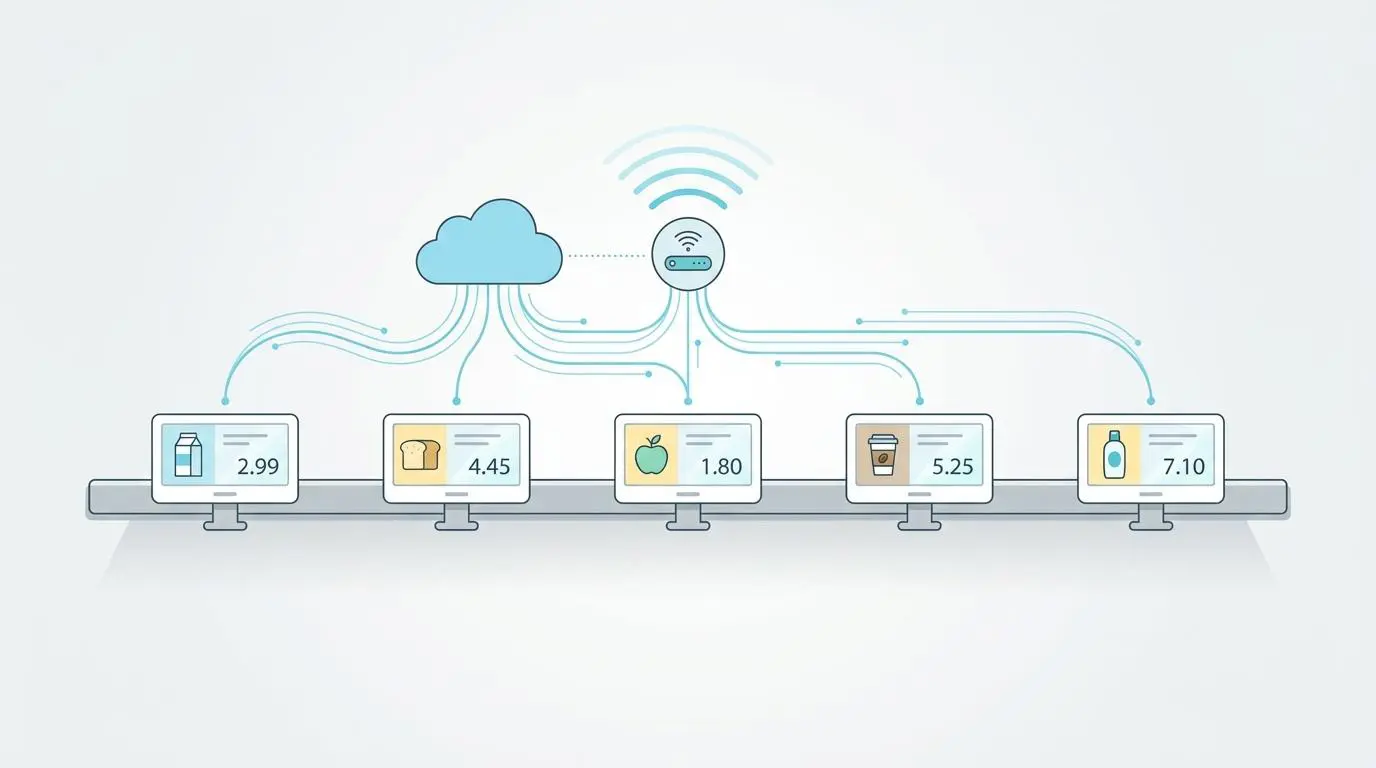
Retailers lose up to 50 hours per week per store manually managing thousands of paper price tags. This staggering administrative burden is a major operational bottleneck that makes it virtually impossible to react to competitor price drops in real-time.
When a major online competitor slashes prices, physical stores with paper tags are left stranded with uncompetitive pricing for days. Leading systems like VusionCloud now automate this synchronization via IoT-connected e-paper displays.
These systems allow central headquarters to push thousands of price updates globally with a single click. The technology leverages low-frequency radio waves to ensure every digital tag updates instantly, bypassing the need for manual floor walks.
The real-world friction here is the physical lag between digital price drops and in-store updates. This lag creates glaring price discrepancies between a brand’s e-commerce site and its physical shelves.
These discrepancies inevitably lead to customer frustration at the checkout register. They also create severe legal compliance risks regarding false advertising.
Bridging APIs with Low-Code Infrastructure
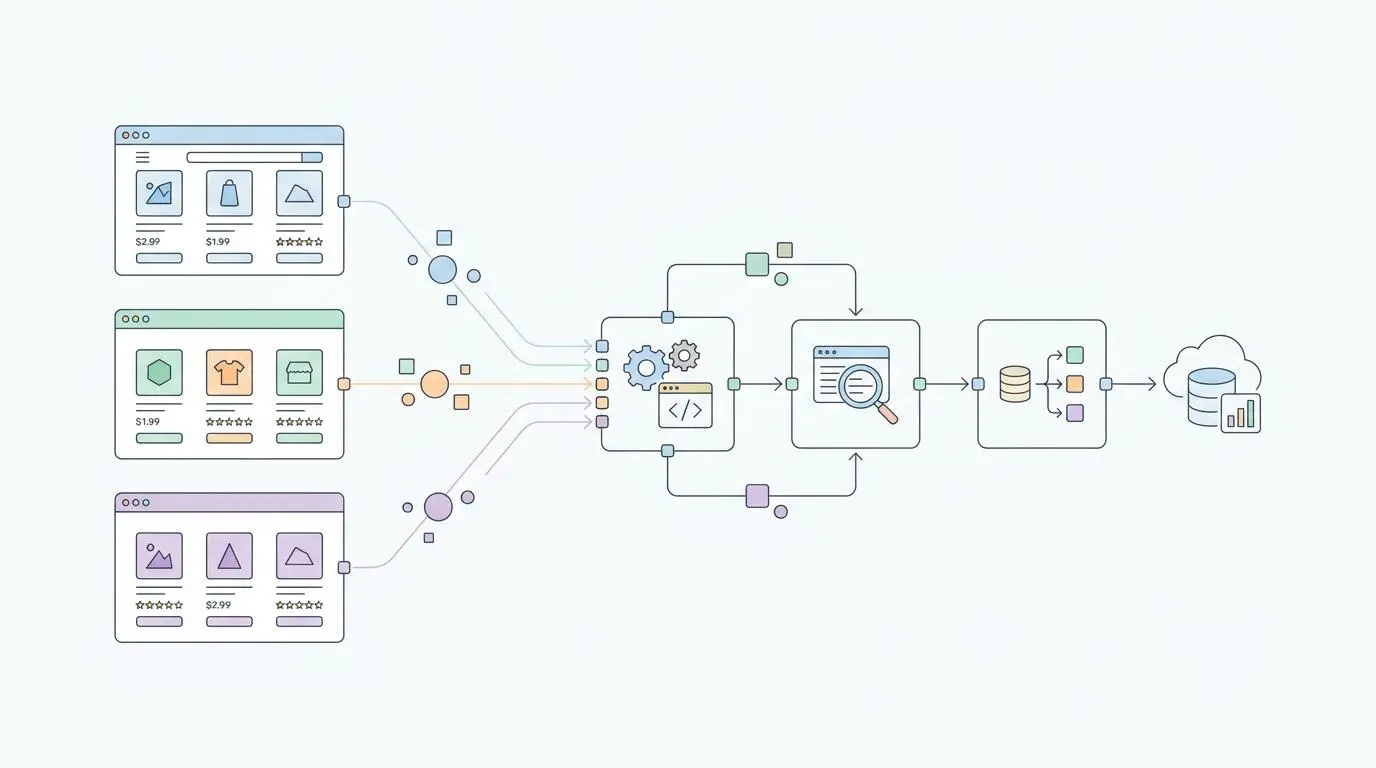
Modern retail architects use platforms like Clay, featuring specialized tools like Claygent, or workflow engines like n8n to connect scraping APIs directly to their shelf networks. By utilizing data extraction services like Bright Data and ScrapingBee, businesses can pull live competitor pricing continuously.
This data is then routed directly to the ESL API portal. This low-code approach enables massive price updates across thousands of stores without writing complex backend code.
It democratizes data scraping, allowing operations teams to build customized workflows that trigger specific shelf updates based on real-time external data. The visual interfaces of these platforms make troubleshooting and scaling highly intuitive.
Legacy retailers often lack the dedicated engineering resources required to build and maintain custom scrapers for every single competitor. This makes no-code bridges absolutely essential for agile market response.
Without these visual workflow builders, integrating disparate scraping tools with proprietary IoT shelf networks would remain a costly, developer-dependent nightmare.
Deploying Explainable AI for Margin Protection
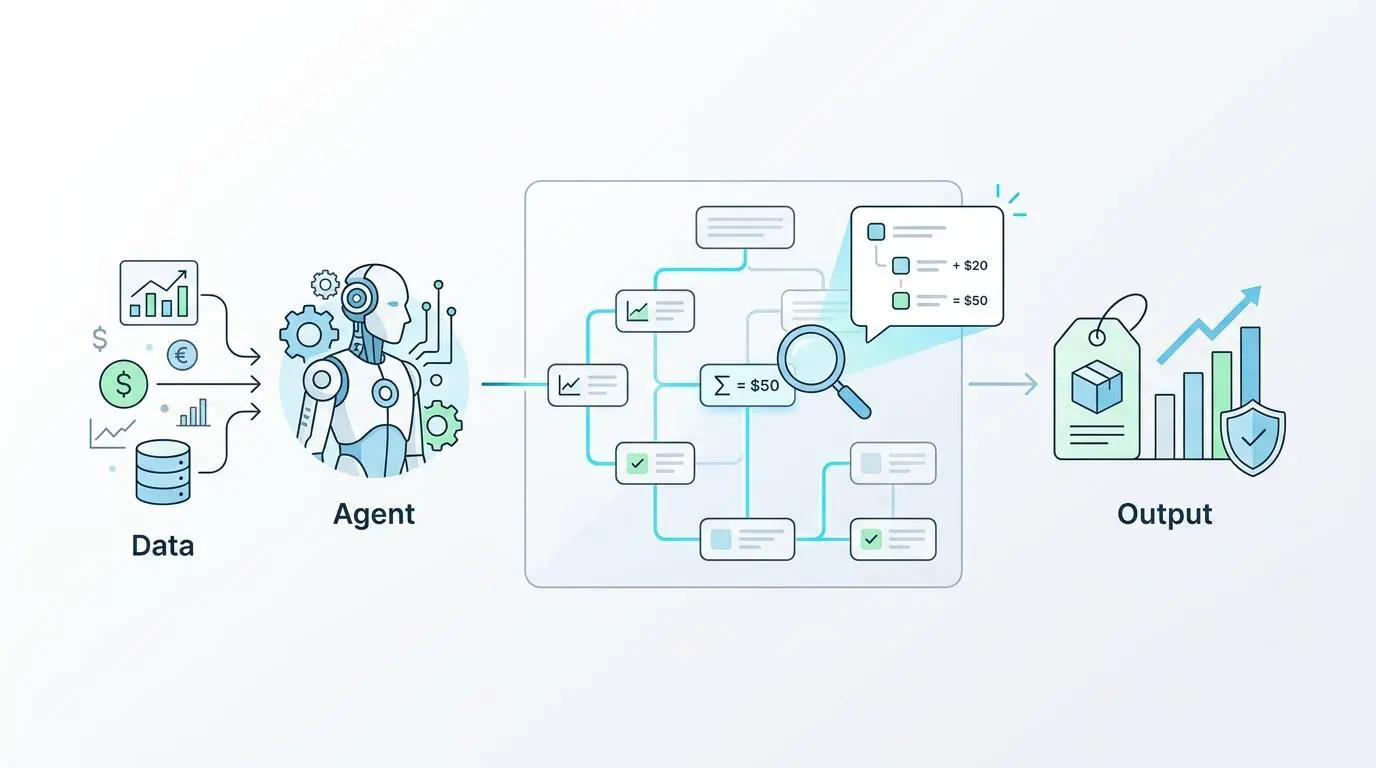
Agentic systems like Omnia Agent are rapidly replacing static, rule-based logic with highly intelligent decision engines. These systems monitor competitor pricing 24/7 and trigger ESL changes only when specific demand, competitor, and margin guardrails are met.
This ensures that a store never accidentally prices an item below its wholesale cost just to match an aggressive competitor. A major shift is occurring in how these algorithms are structured.
Agentic pricing engines in 2026 are shifting toward explainable agentic pricing, which documents the specific rule, competitor data point, or market trigger for every single price shift. According to Forrester’s 2026 Retail Forecast, this provides a critical audit trail for emerging state and federal pricing transparency laws.
The real-world friction of older systems is that black-box algorithms often trigger irrational race-to-the-bottom pricing wars. Without strict, explainable guardrails, automated systems can erode brand value and completely destroy category profitability.
Explainable AI solves this by prioritizing margin protection and logical pricing hierarchies over blind competitor matching.
Bypassing Anti-Bot Blocks and API Quota Limits
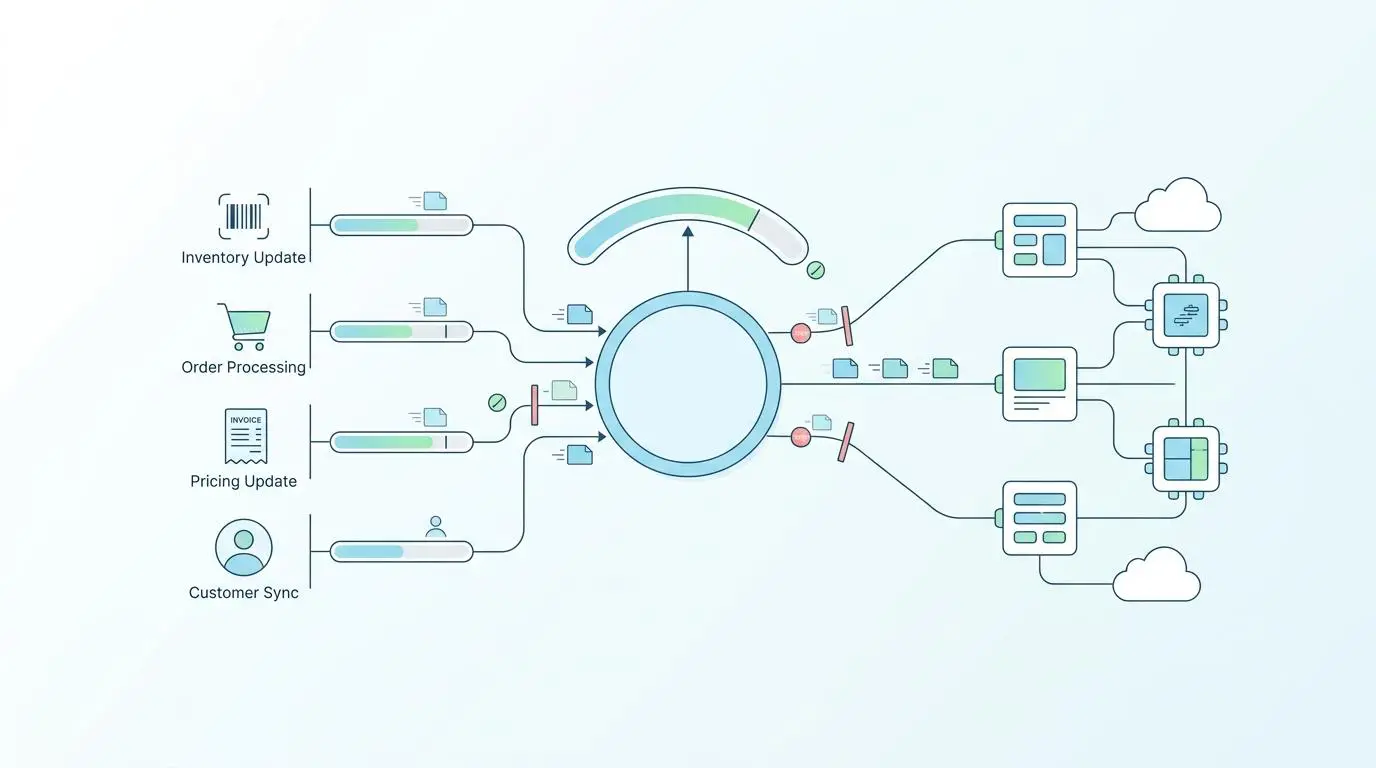
Retailers running high-frequency dynamic pricing workflows frequently hit API quota errors when managing thousands of ESL updates. Pushing too many requests to the shelf management API simultaneously can result in a complete system timeout.
Furthermore, scraping major competitors like Amazon or Walmart often triggers aggressive anti-bot blocks. To keep the automation flowing smoothly, redundant API key rotation is now a standard architectural requirement.
Additionally, managing residential proxies via specialized services like Decodo or Smartproxy is mandatory to disguise scraping bots as normal consumer traffic. These proxy networks rotate IP addresses dynamically to ensure uninterrupted data collection.
When these data pipelines break down, the automation failure leads to stale pricing on the retail floor. The digital shelf tags will display outdated data while the backend ERP has already adjusted for the new cost.
This mismatch creates immense checkout friction, requiring cashiers to manually override prices and severely slowing down store operations.
Calculating the Labor Savings and Hardware Payoff
Despite the complexity of the backend infrastructure, the financial justification for digital tags is incredibly straightforward. ESL systems typically achieve full return on investment in under 24 months.
This rapid payoff is achieved by entirely eliminating the recurring costs of labor, printing materials, and administrative overhead associated with manual tagging. Hardware advancements have also drastically improved the long-term viability of these systems.
High-quality labels from vendors like SOLUM now offer an impressive 10-year battery life. This longevity minimizes long-term maintenance costs and ensures that IT teams are not constantly replacing dead units across the store network.
However, the high upfront hardware cost of deploying thousands of IoT screens remains a significant barrier for small and medium-sized retailers. While the clear long-term labor savings are undeniable, securing the initial capital expenditure to outfit an entire store requires a highly strategic phased rollout plan.
Transitioning to AI-Native Stores and Pick-to-Light Systems
By late 2026, the retail industry is moving aggressively toward fully AI-native stores. Electronic shelf labels are evolving beyond simple pricing displays into interactive operational tools.
Modern ESLs now feature multi-color LED flash systems, often referred to as Pick-to-Light technology, to assist with automated order fulfillment. When an online order is placed, the exact shelf labels corresponding to the required items flash in specific colors.
This guides floor associates or automated picking robots directly to the product, drastically reducing fulfillment times. The same LEDs can be programmed to flash red when stock levels dip below a certain threshold, alerting staff to restock immediately.
A major friction point in this evolution is the isolation of pricing data from inventory data. If the dynamic pricing engine operates in a silo, shelves might display aggressive sale prices for items that are already out of stock.
This disjointed logic damages the omnichannel customer experience and highlights the need for deeply integrated data architectures.
Future-Proofing Retail with Vision-Validated Shelves
The next evolution in dynamic pricing is the transition to computer vision-validated shelves. AI-powered cameras installed across the store will continuously scan the aisles to verify that the physical price shown on the ESL perfectly matches the digital ERP state.
This closed-loop system ensures 100% regulatory price integrity compliance, eliminating any risk of discrepancies. As retail environments become increasingly automated, the synergy between digital data and physical hardware will define market leadership.
Businesses that embrace interconnected scraping APIs, low-code automation, and intelligent shelf displays will operate with unprecedented agility. Those relying on manual processes will simply be priced out of the market by faster, smarter competitors.
Navigating the intersection of technology, workflows, and operational efficiency requires a sharp strategy. To future-proof your business architecture and scale with precision, connect with Andres at Andres SEO Expert.
Frequently Asked Questions
How do electronic shelf labels (ESLs) improve retail profitability?
ESLs improve profitability by eliminating the labor costs associated with manual paper tagging, which can take up to 50 hours per week per store. They also allow for real-time price adjustments to protect margins against inflation and competitor discounting, often resulting in a 2% to 7% revenue lift.
What is the “Trust-Margin Paradox” in retail automation?
The Trust-Margin Paradox describes the friction between a retailer’s need to automate pricing for margin protection and the consumer’s sensitivity to dynamic pricing. Successfully balancing this requires intelligent margin guardrails and transparent, data-driven pricing strategies to avoid appearing predatory.
How does AI-driven dynamic pricing reduce inventory waste?
AI-powered systems sync dynamic pricing with inventory levels to trigger automated markdowns on perishable or slow-moving goods. This proactive approach helps tier-1 retailers achieve a 15% to 30% reduction in excess inventory, improving cash flow and warehouse efficiency.
What are “Pick-to-Light” systems in modern retail stores?
Pick-to-Light technology uses multi-color LED flash systems integrated into electronic shelf labels to assist in order fulfillment. When an item is ordered online, the corresponding shelf label flashes, guiding staff or robots directly to the product to speed up the picking process.
Why is “Explainable AI” important for automated retail pricing?
Explainable AI provides an audit trail for every price change, documenting the specific rules or market triggers used. This transparency is crucial for complying with pricing integrity laws and prevents “black-box” algorithms from starting irrational price wars that could destroy category profitability.
What is the expected ROI timeline for implementing digital shelf tags?
Most retailers achieve a full return on investment (ROI) for electronic shelf label systems in under 24 months. This rapid payoff is driven by the elimination of recurring costs for labor, printing materials, and administrative overhead, combined with extended hardware battery lives of up to 10 years.