Key Points
- AI-Driven Workflows: Leveraging advanced LLMs like Claude 3.5 Sonnet and GPT-4o via n8n to push structured call data directly into CRM fields.
- Human-in-the-Loop Safeguards: Implementing rapid Slack-based approvals to verify AI-extracted MEDDIC scores before updating the CRM, ensuring data integrity.
- Proactive Revenue Orchestration: Transitioning from passive transcript summaries to active systems that autonomously draft follow-up mutual action plans and legal redlines.
Table of Contents
- The Crushing Weight of the CRM Data Entry Tax
- Quantifying the Revenue Cost of Administrative Bloat
- Overcoming the Daily Sales Execution Bottleneck
- Powering Shadow CRM Updates with AI Agents
- Eradicating the Hidden Tax of Manual Data Entry
- Measuring ROI and Accelerating Forecast Accuracy
- Designing Human-in-the-Loop Slack Approvals
- Transitioning to Autonomous Revenue Orchestration
- The Future of Agentic Sales Operations
The Crushing Weight of the CRM Data Entry Tax
Picture this scenario. Your top enterprise account executive just closed an incredible 45-minute discovery call, successfully uncovering the economic buyer and precise decision criteria. They then spend the next hour painstakingly copying those insights into a clunky CRM interface.
This is the reality of the modern B2B sales floor. High-performing talent is buried under an avalanche of administrative tasks. The friction is palpable, draining energy and shifting focus away from closing deals to managing data.
This manual process is not just an annoyance. It is a massive revenue leak. When sales representatives lose up to 70% of their working week to non-selling administrative tasks, methodologies like MEDDIC are applied inconsistently.
Critical action items discussed during client calls vanish into the ether. This leads to stalled deals and frustrated prospects. The reliance on human memory to transcribe complex, multi-stakeholder dynamics into CRM fields is a fundamentally broken system.
Organizations need a way to capture the nuance of every conversation without taxing their most valuable asset. This is where Gong-CRM Semantic Data Extraction changes the paradigm completely.
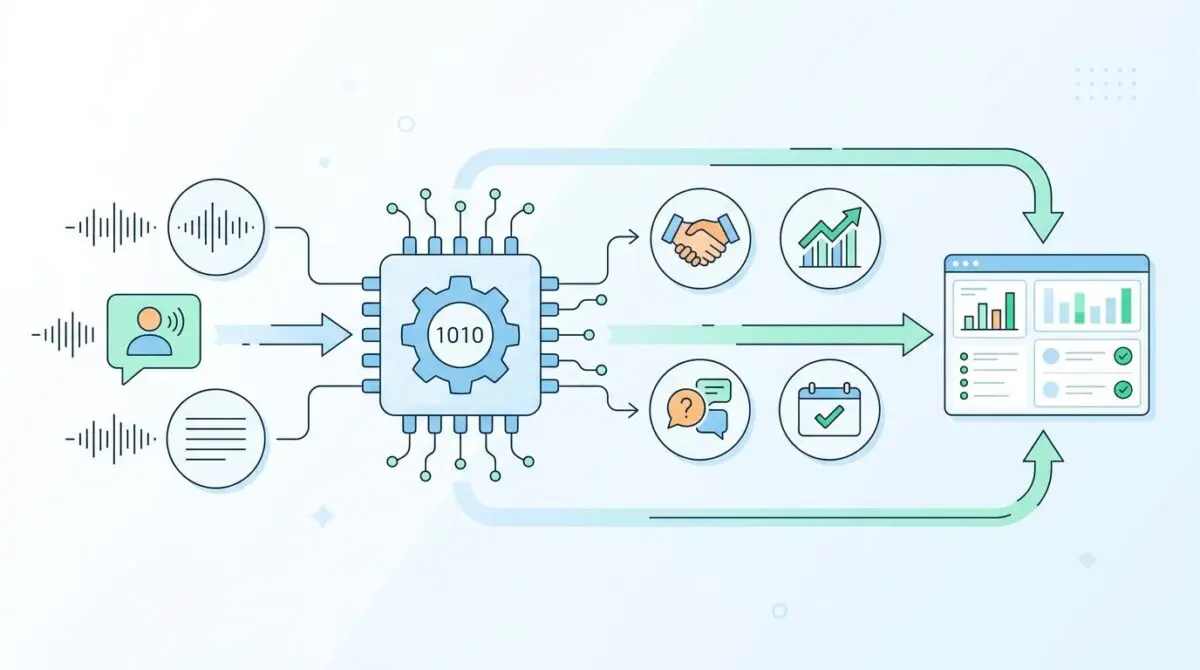
By deploying intelligent automation to parse call transcripts in real time, businesses can instantly extract actionable insights and structured data. This integration ensures that every MEDDIC criteria is logged accurately and every follow-up task is assigned immediately.
It is the ultimate solution to reclaim lost hours, eliminate manual errors, and restore the freedom to sell.
Quantifying the Revenue Cost of Administrative Bloat
Market Intelligence & Data
AI Revenue Multiplier
Sales teams that consistently use AI tools generate 77% more revenue per representative than those using manual processes, according to a 2025/2026 Gong Labs study.
Rep Capacity Reclaimed
According to the Salesforce 2026 State of Sales report, automation of administrative tasks and prospect research saves the average rep 6 hours every week.
Primary Productivity Drain
A 2026 HubSpot report found that 26% of sales professionals identify manual CRM data entry as their single largest daily time-waster.
Quota Attainment Lift
Sellers who partner with AI agents for workflow automation are 3.7 times more likely to meet or exceed their sales quotas in 2026, as reported by Salesforce Research.
The 77% revenue multiplier highlights a profound shift in how modern sales teams operate. When organizations implement semantic data extraction, they are not just buying a tool. They are upgrading their entire revenue engine.
By automatically structuring unstructured call data, AI removes the friction that slows down deal velocity. Teams leveraging these integrations can handle larger pipelines with greater precision. This directly translates operational efficiency into top-line growth.
Reclaiming six hours a week per representative is a game-changer for organizational capacity. Without automated extraction, sellers spend only 28-30% of their time on direct selling, significantly capping their potential.
By offloading the burden of logging MEDDIC criteria and action items to intelligent workflows, reps can redirect those lost hours. They can focus on high-value activities like relationship building and strategic negotiation.
The daily frustration of administrative work cannot be overstated. Many reps identify manual CRM data entry as their single largest daily time-waster. This 26% productivity drain is a direct symptom of the CRM data entry tax.
This hidden tax leads to admin burnout and reduced quota focus. Automating the flow of information from Gong to Salesforce or HubSpot eradicates this bottleneck. It keeps morale high and sellers engaged in their core competencies.
Finally, the 3.7x lift in quota attainment proves that AI partnership is no longer optional for competitive teams. By ensuring that nuanced details like decision criteria and paper processes are never missed, automated systems provide sellers with a flawless memory of every account.
This level of meticulous, error-free tracking allows sales professionals to execute their strategies flawlessly. They can close deals at an unprecedented rate.
Overcoming the Daily Sales Execution Bottleneck
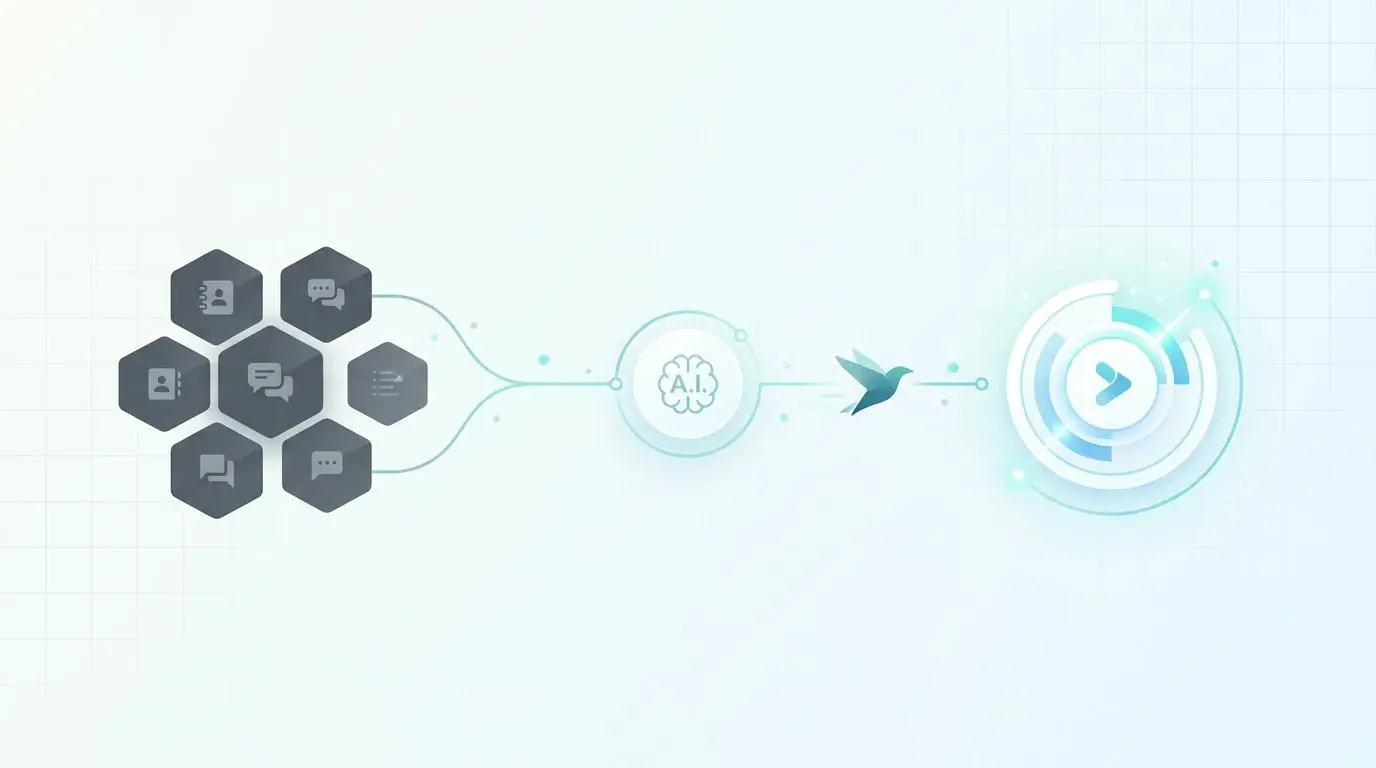
B2B sales representatives are losing roughly 25% of their week to manual data entry and CRM updates. This translates to approximately 10 hours of wasted time that could have been spent engaging with prospects.
The manual note-taking bottleneck forces sellers into an administrative grind. This inevitably leads to widespread admin burnout across the organization.
Integrating Gong with Salesforce or HubSpot using advanced AI data extractor tools solves this fundamental issue. Instead of waiting until the end of the day to update records, the system handles it instantly.
This ensures that the CRM reflects the absolute latest state of the deal. Best of all, it happens without requiring a single keystroke from the representative.
Emerging tools like Gong Engage and the upcoming 2026 Spotlight versions take this a step further. They provide real-time suggestions during the call to ensure critical MEDDIC criteria are actively discussed.
This transforms the extraction process from a passive logging exercise into an active coaching mechanism.
Powering Shadow CRM Updates with AI Agents
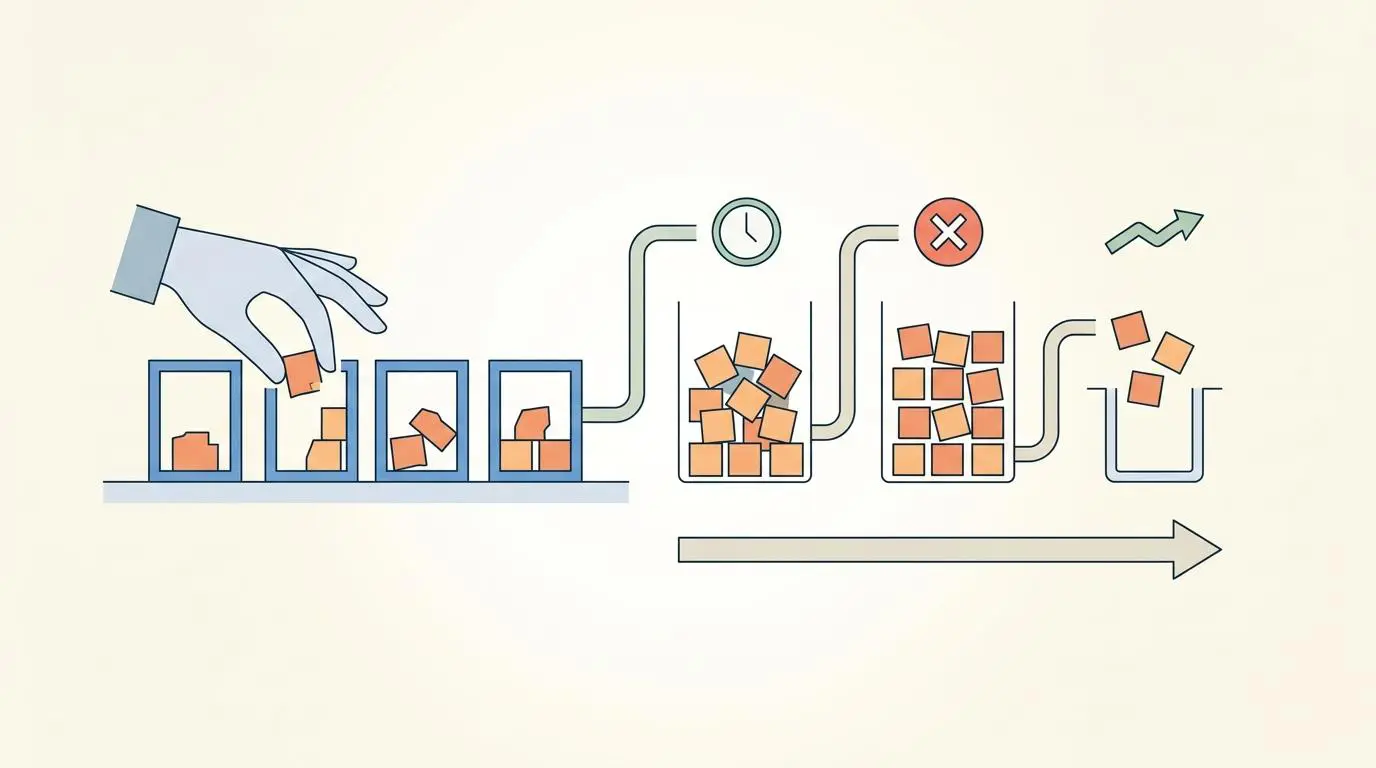
Generic transcript summaries often fall short because they miss nuanced deal criteria. Details like the decision criteria or the intricate paper process are frequently glossed over by basic AI tools.
This forces sales managers to manually review entire recordings to ensure the deal is actually progressing. It is an inefficient use of valuable leadership time.
Gong’s 2026 Revenue AI OS utilizes a revenue graph to map this unstructured call data into highly structured CRM fields. Advanced LLMs like Claude 3.5 Sonnet and GPT-4o are deployed via automation platforms like n8n and Relay.app to orchestrate these complex updates.
These intelligent agents perform what is known as shadow CRM updates seamlessly in the background.
During these shadow updates, AI agents cross-reference call transcripts with external signals, such as LinkedIn data. This allows the system to automatically populate critical fields, like the economic buyer, with high confidence.
It eliminates the guesswork and ensures the CRM is a perfect reflection of reality.
Eradicating the Hidden Tax of Manual Data Entry
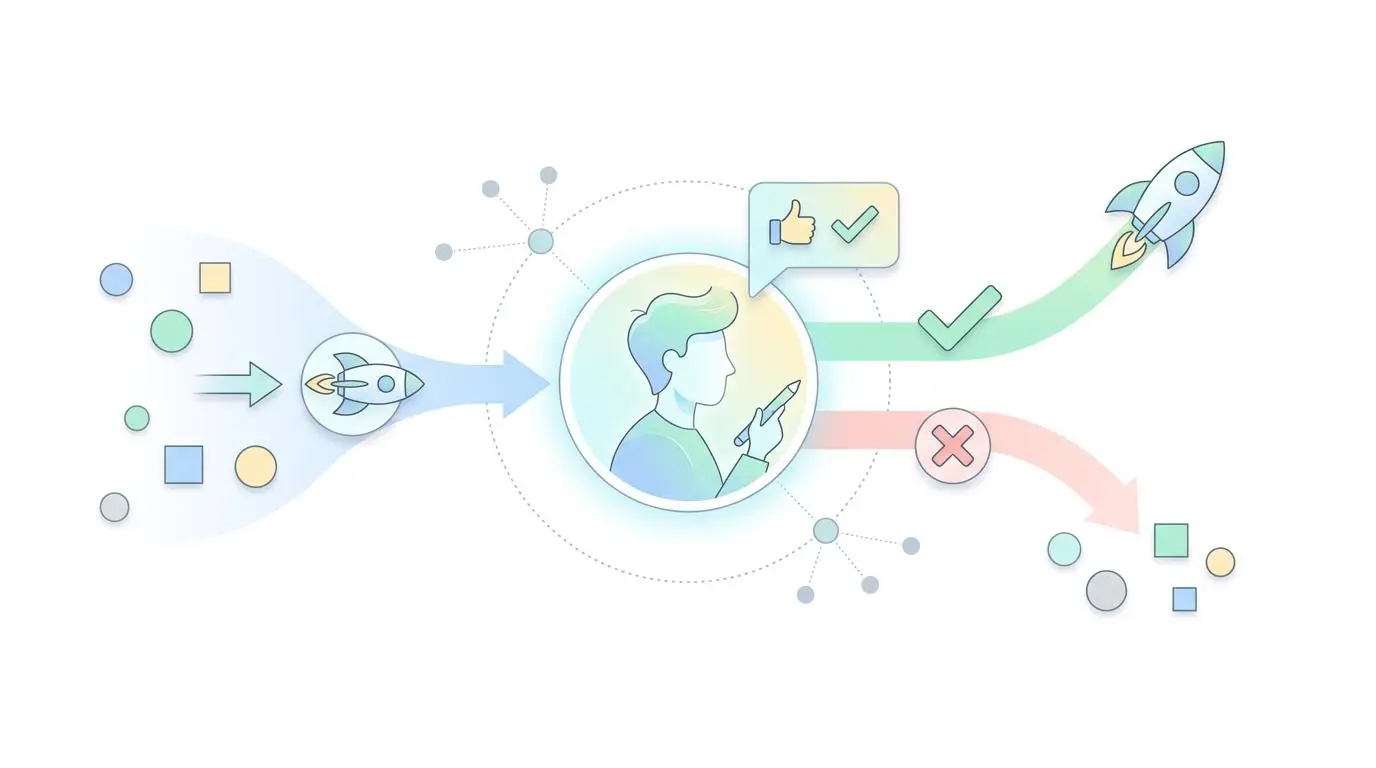
Poor data quality resulting from manual entry acts as a massive, hidden tax on the entire organization. In fact, 27.3% of a rep’s week is often wasted on activities tied to inaccurate, outdated, or incomplete CRM data.
This creates a cascading effect of inefficiency that impacts marketing, sales ops, and leadership.
For a standard 20-rep team, this manual CRM entry results in the staggering loss of 740 selling weeks of revenue capacity per year. The financial impact of this inefficiency is massive, representing millions in unrealized pipeline.
By June 2026, the gap between AI-enabled and manual teams is projected to widen into an insurmountable revenue chasm.
Teams that refuse to adapt to automated semantic data extraction are finding themselves at a severe disadvantage. Manual teams are now 3.7x less likely to hit their quotas compared to their automated counterparts.
The cost of doing nothing has simply become too high for modern revenue organizations to ignore.
Measuring ROI and Accelerating Forecast Accuracy

Sales leadership often struggles with pilot sprawl, where AI tools are used for drafting emails but fail to close the revenue loop. They lack auditable outcomes for their AI spend, making it difficult to justify further investment.
Semantic data extraction solves this by providing clear, measurable improvements to the core sales process.
According to 2026 benchmarks, 41% of enterprises achieve full ROI on their sales automation investments within just 12 months. This rapid time-to-value is driven by the immediate reduction in administrative overhead.
The efficiency gains are instantly visible in the team’s daily output.
Furthermore, automated MEDDIC tracking increases forecast accuracy by an impressive 42%. By replacing a representative’s subjective gut feeling with objective, AI-verified call signals, leadership gains a crystal-clear view of the pipeline.
This allows for highly predictable revenue forecasting and strategic resource allocation.
Designing Human-in-the-Loop Slack Approvals
Fully autonomous CRM updates carry inherent risks, particularly when dealing with nuanced human conversations. If an AI misinterprets sarcasm or fails to grasp complex multi-stakeholder dynamics, it can push junk data into the system.
This corrupts the CRM and can trigger incorrect automated follow-ups.
To mitigate this, modern 2026 workflows utilize intelligent Slack-based approvals. When the AI extracts MEDDIC scores and action items, it pushes a structured summary to the account manager via Slack.
The manager then performs a rapid, 10-second verify and push review.
This human-in-the-loop factor prevents hallucinated deal progress while maintaining incredible operational speed. It gives sellers the final say over their pipeline data without requiring them to do the heavy lifting of data entry.
It is the perfect balance of AI efficiency and human oversight.
Transitioning to Autonomous Revenue Orchestration
Current automation setups are often highly reactive, merely updating records after a call has concluded. While this saves time, it does not actively drive the deal forward to the next stage in the cycle.
The next evolution of this technology is moving toward true autonomous revenue orchestration.
A 2026 shift identified by Forrester describes revenue architecture as the new RevOps paradigm. Organizations are no longer buying isolated AI tools. They are building connected systems.
In these ecosystems, Gong’s AI agents actively participate in the workflow. This trend has increased the monthly user base of such agents by 75% in just one year.
These 2027-ready systems will not just extract action items. They will execute them autonomously.
Based on verbal agreements made during a Gong call, the system will draft follow-up mutual action plans and even update legal redlines. This proactive approach ensures that momentum is never lost after a successful client interaction.
The Future of Agentic Sales Operations
By the end of 2026, the integration between conversational intelligence and CRM will shift entirely from extraction to action. Agentic workflows will automatically trigger multi-channel follow-ups across email, LinkedIn, and direct mail.
These actions will be based purely on verbal signals captured during discovery calls. This level of automation will redefine what it means to manage a sales pipeline.
Furthermore, the rise of agentic sales ops will allow systems to autonomously reconcile discrepancies between call transcripts and signed contracts without human intervention.
This ensures absolute compliance and alignment between what was promised and what was sold. The era of manual data entry is ending, making way for a seamless, intelligent revenue architecture.
Navigating the intersection of technology, workflows, and operational efficiency requires a sharp strategy. To future-proof your business architecture and scale with precision, connect with Andres at Andres SEO Expert.
Frequently Asked Questions
What is the CRM Data Entry Tax and how does it impact sales teams?
The CRM data entry tax refers to the significant productivity and revenue loss caused by sales representatives manually entering data into CRMs. According to research, reps spend up to 70% of their time on administrative tasks. This drains focus from selling and leads to inconsistent methodology application like MEDDIC.
How does Gong-CRM semantic data extraction increase revenue?
Semantic data extraction using Gong automatically parses call transcripts to log MEDDIC criteria and action items. This can lead to a 77% revenue multiplier per representative and saves an average of six hours per week. It allows sellers to redirect their time toward high-value relationship building and strategic negotiation.
Can AI accurately track MEDDIC criteria in Salesforce or HubSpot?
Yes. Modern revenue AI systems utilize advanced LLMs like Claude 3.5 and GPT-4o to map unstructured call data into structured CRM fields. These tools specifically identify nuanced details such as decision criteria, paper processes, and economic buyers, ensuring the CRM accurately reflects deal reality.
What is a human-in-the-loop Slack approval for CRM updates?
A human-in-the-loop Slack approval is a workflow where AI-extracted MEDDIC scores and action items are sent to an account manager via Slack for a quick review. This ensures data integrity by preventing the entry of AI hallucinations or misinterpreted data before it is officially pushed to the CRM.
Does automated CRM data entry improve revenue forecast accuracy?
Yes, automating MEDDIC tracking can increase forecast accuracy by up to 42%. By replacing subjective rep assessments with objective, AI-verified signals from actual conversations, sales leadership gains a more predictable and auditable view of the pipeline.
What is the difference between reactive automation and autonomous revenue orchestration?
Reactive automation simply logs data after a call, whereas autonomous revenue orchestration proactively drives deals forward. Future systems will not only extract data but also autonomously execute follow-up tasks like drafting mutual action plans and updating legal redlines based on verbal agreements.