


Key Points
- Localization Automation: Replace manual translation workflows with DeepL API and Make.com to eliminate the digital PR bottleneck.
- Semantic Enrichment: Utilize Retrieval-Augmented Generation to scrape prospect data and inject contextual relevance into campaigns.
- Double-Brain QA: Deploy Anthropic Claude to programmatically audit machine translations for cultural nuances and hallucinations.
Table of Contents
The Localization Bottleneck
The invisible tax of international link building is staggering when measured by the silent hours spent copy-pasting translated outreach emails.
Currently, 68% of enterprise SEO teams remain trapped in this severe localization bottleneck.
They rely on manual workflows that stretch link acquisition cycles from a matter of minutes into agonizing weeks.
This sluggish approach routinely triggers the uncanny valley effect in non-English markets.
Prospects instantly recognize the rigid, unnatural phrasing of basic translation tools, sending your carefully crafted pitch straight to the spam folder.
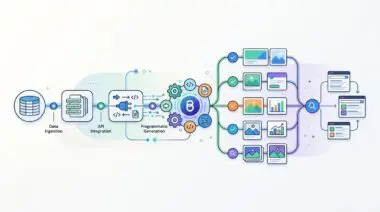
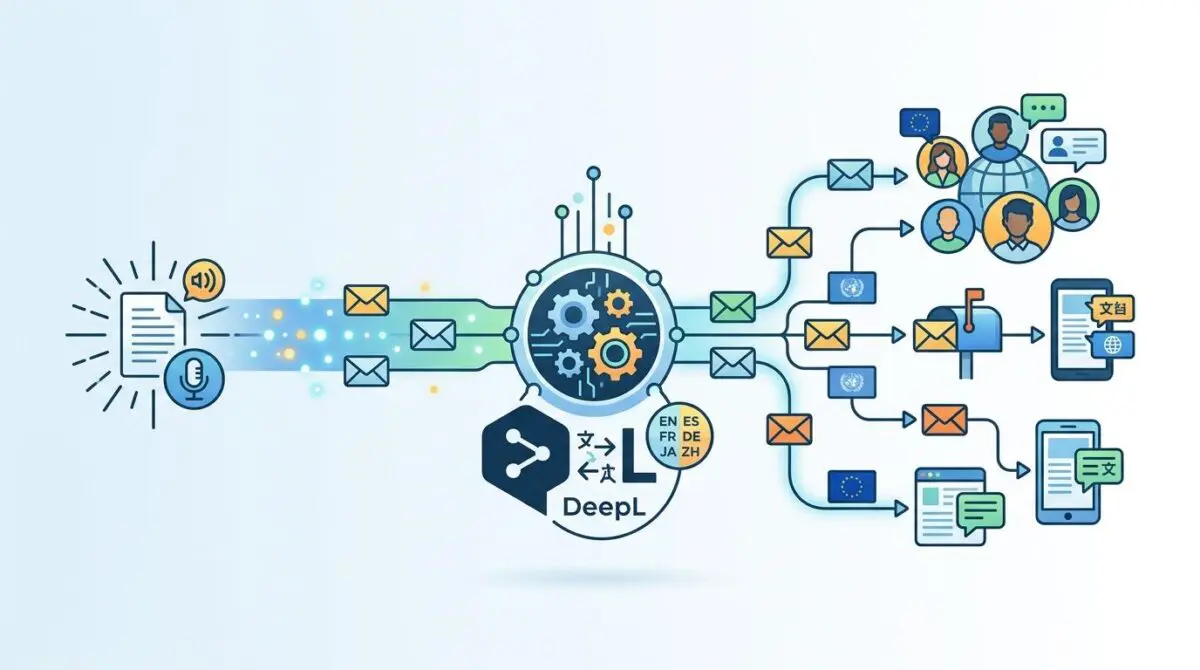
To bypass these rendering bottlenecks and scale efficiently, engineering teams are deploying a programmatic multilingual outreach architecture.
By connecting advanced language models with dynamic email APIs, this architecture transforms static string translation into an automated, high-converting digital PR engine.
This programmatic approach relies on three core pillars of automation:
- Webhook Triggers: Capturing raw prospect data from edge-based scrapers.
- Translation Nodes: Routing text arrays through high-speed linguistic APIs.
- Delivery Endpoints: Pushing synthesized JSON payloads directly into CRM sequences.
When engineered correctly, this pipeline operates with zero latency, entirely removing human intervention from the translation phase.
Translation Economics and API Adoption
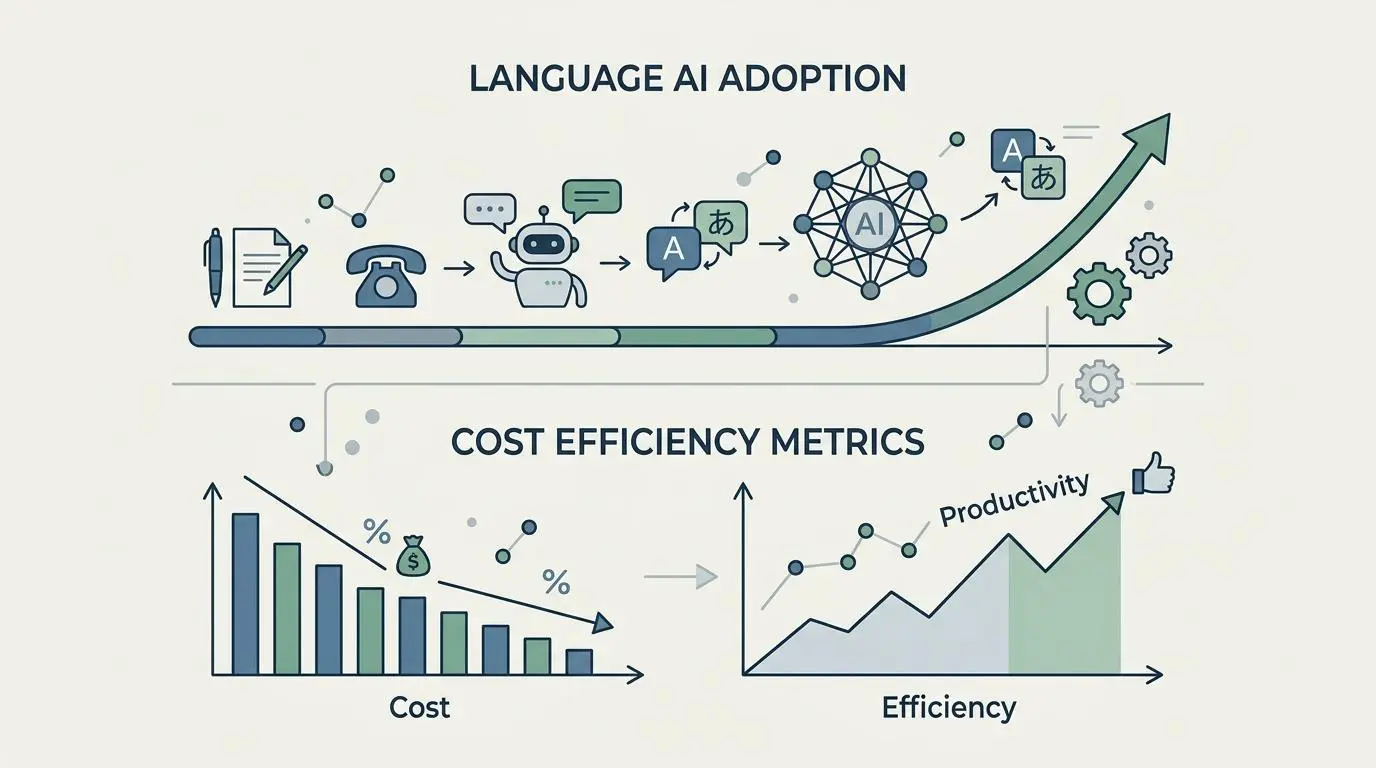
The landscape of international SEO is undergoing a massive architectural shift, yet broad adoption remains surprisingly slow.
According to the DeepL 2026 Language AI Report, only 17% of businesses have moved beyond legacy translation systems to embrace agentic AI workflows.
This hesitation leaves a massive competitive gap for technical SEOs and automated link builders willing to engineer sophisticated API pipelines.
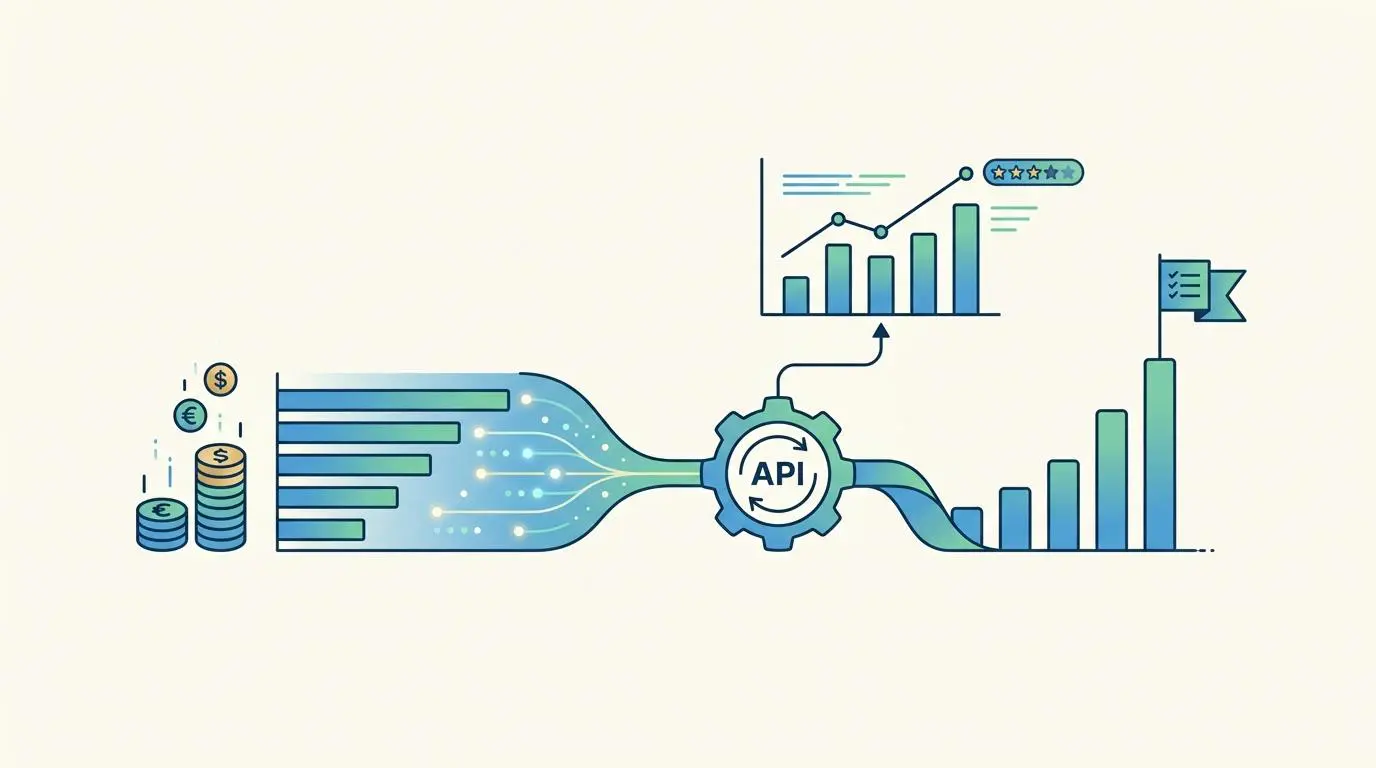
Financially, the barrier to entry has plummeted while processing speeds have scaled.
The 2026 industry benchmark for high-fluency automation costs has settled at just $25 per million characters via DeepL API Pro.
This unprecedented cost efficiency makes DeepL the preferred engine for 82% of top-tier language service providers.
Furthermore, as of March 2026, the automation ecosystem expanded dramatically with a built-in connector for Anthropic Claude.
This integration enables a dedicated Linguistic Auditor module capable of programmatically flagging non-native syntactic structures in translation outputs with 94% accuracy.
By bridging these APIs, SEOs can process thousands of customized outreach emails per hour without hitting rate limits or server timeouts.
Dynamic Variable Injection at Scale
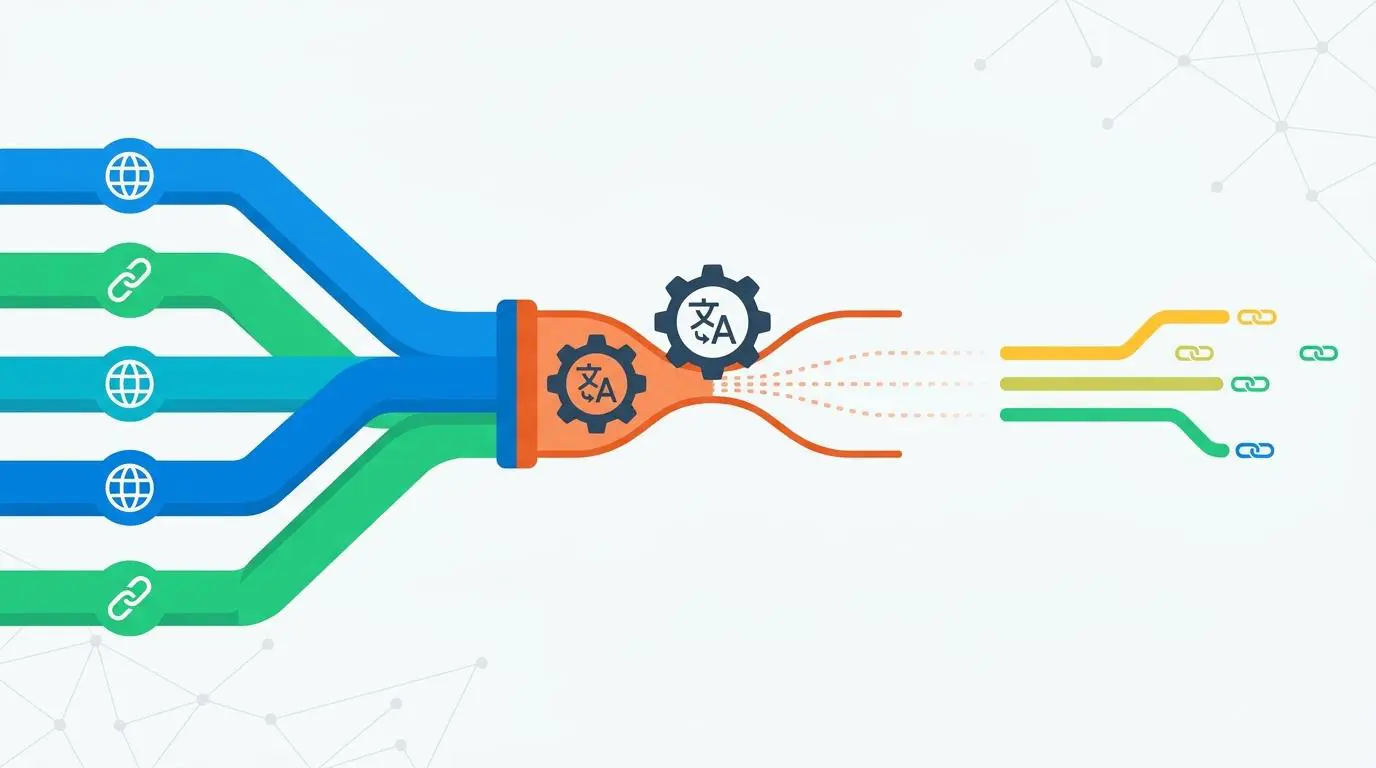
Scaling outreach across 30 or more languages frequently results in tone-deaf pitches that completely ignore local etiquette.
This real-world friction causes catastrophic bounce rates and severe domain reputation damage over time.
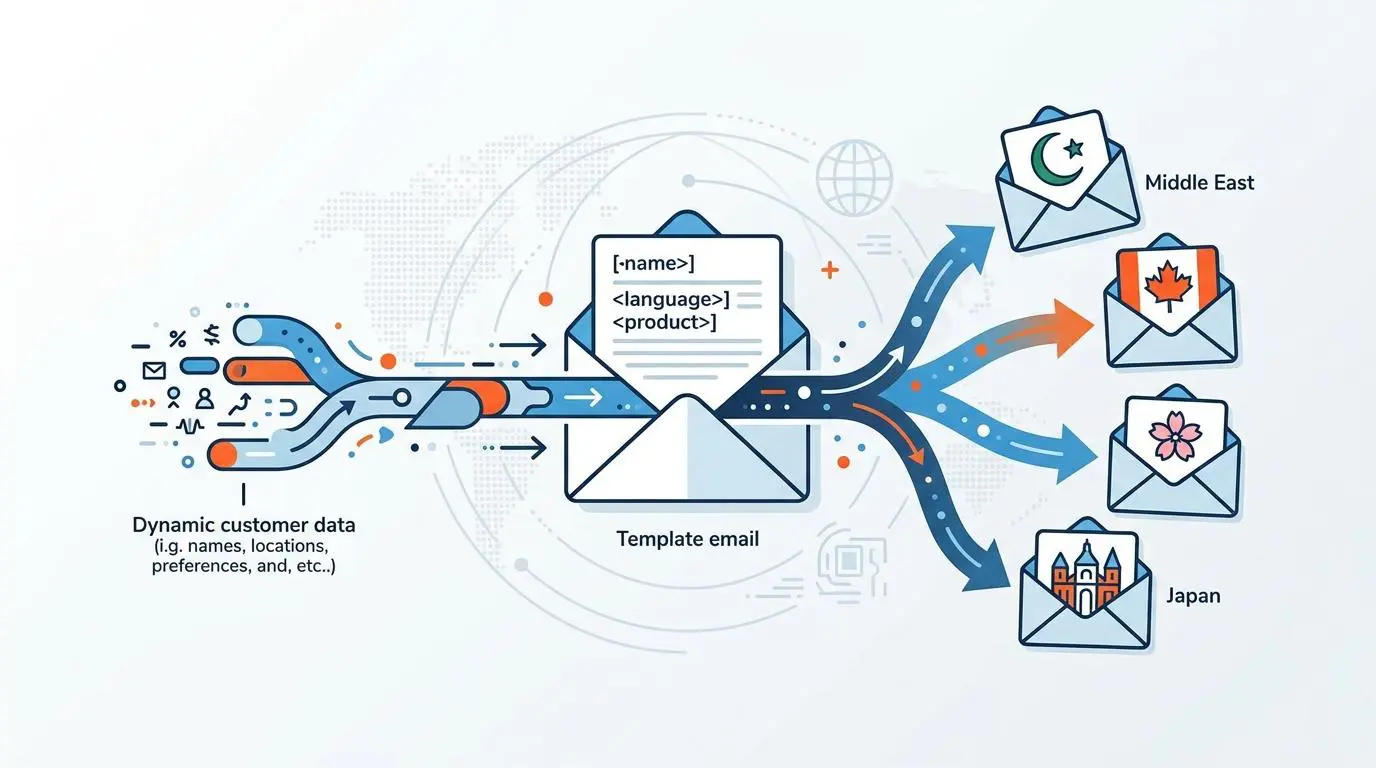
The 2026 Lemlist API solves this specific rendering bottleneck by allowing for dynamic, lead-level variable injection directly through Make.com.
Outreach managers can now pass DeepL-translated snippets straight into active campaign sequences without ever touching a manual CSV upload.
The architecture uses JSON arrays to map translated variables to specific custom fields within the Lemlist environment.
Integrated auto-launch triggers, updated in June 2026, add a critical layer of operational safety to this workflow.
These triggers ensure that campaigns only initiate after strict email verification and linguistic validation protocols return a positive server response.
If a webhook fails to return a validated status code, the sequence pauses automatically, protecting your sender reputation.
This ensures that every outbound email is syntactically flawless before it ever hits the recipient’s inbox.
Enforcing Technical Glossaries via API
Machine translation notoriously fails to preserve technical SEO context during bulk processing.
This leads to incoherent outreach where a term like backlink is literally translated into nonsensical local vocabulary.
Such errors immediately flag the email as automated spam, burning the prospect permanently.
The DeepL Spring Launch in April 2026 introduced Advanced Style Rules and Technical Glossaries via their REST API.
SEOs can now programmatically enforce industry-specific terminology across high-volume outreach scenarios in Make.com.
This ensures that highly technical concepts retain their exact meaning, regardless of the target language syntax.
The system utilizes several API parameters to maintain strict quality control:
- Advanced Style Rules: Dynamically enforces formal versus informal tone based on regional business culture.
- Technical Glossaries: Prevents literal translations of SEO jargon and brand names.
- REST API Overrides: Bypasses default linguistic models for specific, hardcoded entities.
By locking down specific entities through XML and JSON parameters, the architecture prevents context failure.
This granular control preserves the professional authority of the pitch and drastically improves response rates.
The Double-Brain QA Workflow
Autonomous translation agents occasionally hallucinate recipient accolades or invent irrelevant value propositions.
This ruins the critical first-touch rapport essential for high-DR link acquisition.
To combat this, the introduction of If-else and Merge modules in Make.com allows for a sophisticated Double-Brain verification workflow.
Translations generated by DeepL are automatically routed to Anthropic Claude 4.6 or GPT-5.4 via built-in API connectors.
These secondary models act as linguistic auditors, parsing the payload for hallucinated claims or cultural insensitivity.
The workflow utilizes strict system prompts to constrain the AI’s auditing parameters.
Only after the secondary model clears the text with a verified boolean value is the finalized payload delivered to the Lemlist API.
If the auditor detects a hallucination, the webhook triggers a fallback mechanism.
This routes the flagged email to a human review queue, ensuring absolute quality control without slowing down the broader automated pipeline.
Semantic Enrichment with RAG
Standard translated templates severely lack the semantic hook required to bypass modern AI-based inbox filters.
These filters prioritize highly specific, contextually relevant communications over generic, mass-produced templates.
Using Make.com’s AI Agents, launched in Q1 2026, SEOs can deploy Retrieval-Augmented Generation directly into their outreach pipelines.
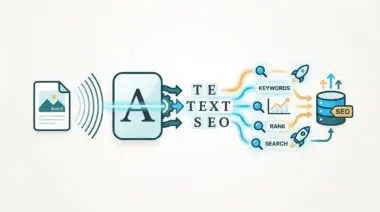
The architecture programmatically scrapes a prospect’s most recent technical blog post using headless browser automation.
It then performs rapid entity extraction using natural language processing to identify core themes and recent achievements.
This extracted semantic context is then injected as a prompt-prefix for the DeepL translation engine.
The result is a translated outreach email that references specific, real-world context.
By mirroring the prospect’s own semantic footprint, the outreach bypasses spam filters and creates hyper-personalized connections at scale.
The Era of Cultural Synthesis
By 2027, the focus of international link building will shift entirely from basic string translation to comprehensive Cultural Synthesis.
AI agents will autonomously adjust the entire outreach strategy based on localized, real-time conversion data.
This includes dynamically shifting follow-up frequencies based on regional engagement metrics.
It will also involve pivoting platform choices, such as automatically moving from Email to WhatsApp based on region-specific regulatory compliance.
Navigating the intersection of technical SEO, programmatic architecture, and workflow automation requires a sharp strategy. To future-proof your site’s architecture and scale with precision, connect with Andres at Andres SEO Expert.
Frequently Asked Questions
What is programmatic multilingual outreach architecture?
Programmatic multilingual outreach architecture is an automated framework that connects language models with dynamic email APIs to scale international SEO. It replaces manual copy-pasting with automated workflows involving webhook triggers, translation nodes, and delivery endpoints to eliminate the localization bottleneck.
How much does automated high-fluency translation cost via API?
The 2026 industry benchmark for high-fluency automation via the DeepL API Pro is approximately $25 per million characters. This cost efficiency enables technical SEO teams to process massive volumes of outreach data at a fraction of the cost of traditional translation services.
How do SEOs prevent literal translations of technical jargon?
Technical context is preserved using REST API parameters such as Technical Glossaries and Advanced Style Rules. These tools programmatically enforce industry-specific terminology (like “backlink”) and regional business etiquette, ensuring that automated emails do not appear as nonsensical spam to prospects.
What is a Double-Brain QA workflow in automated outreach?
A Double-Brain QA workflow uses a secondary AI model (such as Anthropic Claude or GPT-5) to audit translations generated by a primary engine. This secondary “brain” parses the payload for hallucinations or cultural insensitivity, only allowing verified data to proceed to the CRM delivery endpoint.
How does RAG improve international link building personalization?
Retrieval-Augmented Generation (RAG) programmatically scrapes a prospect’s recent content to extract core themes and entities. This context is then injected into the translation engine’s prompt, resulting in hyper-personalized outreach that mirrors the prospect’s semantic footprint and successfully bypasses AI inbox filters.
How do you automate lead-level variable injection across 30+ languages?
Lead-level automation is achieved by using JSON arrays to map translated variables directly into specific custom fields within a CRM or outreach platform like Lemlist. Using tools like Make.com, these variables are injected dynamically into campaign sequences without requiring manual CSV uploads.