Key Points
- Server-Side Decoupling: Utilize Cloudflare Workers to dynamically inject Speculation Rules JSON, bypassing origin HTML rendering bottlenecks and preserving server resources.
- Bot Mitigation: Leverage Sec-Purpose headers to serve lightweight headless versions to crawlers while prerendering full JavaScript experiences exclusively for verified human sessions.
- Prerender Until Script: Mitigate accidental server-side state mutations and analytics inflation by pausing JavaScript execution during background speculation rendering.
Table of Contents
The Latency-Action Gap
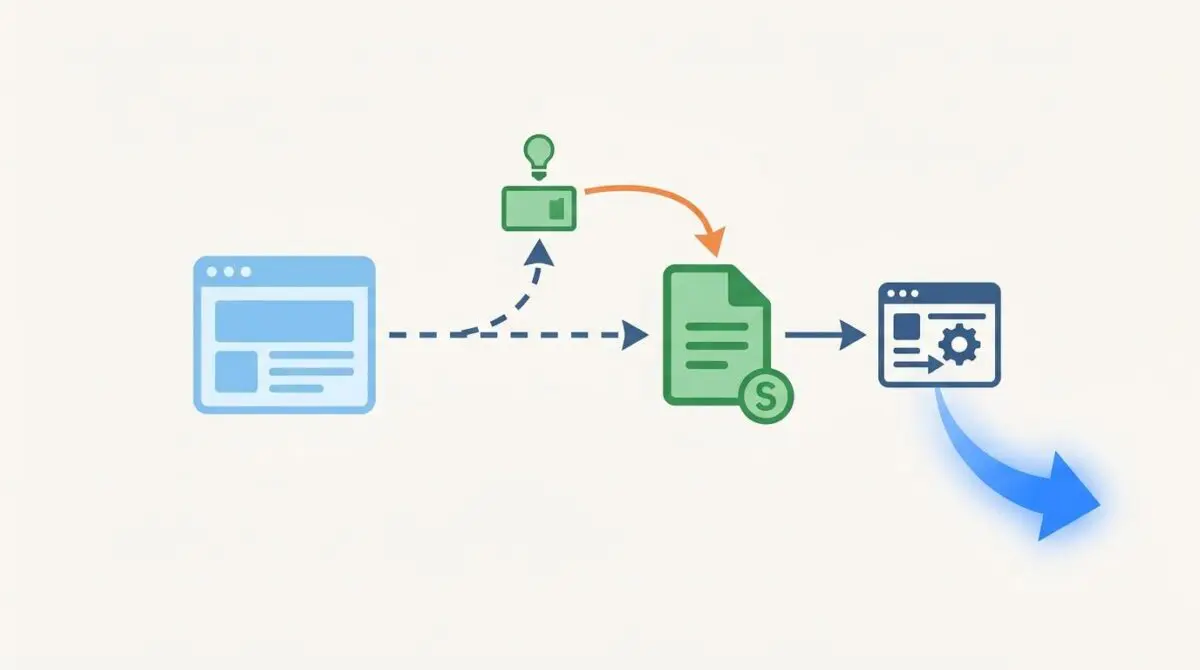
An invisible tax burdens modern web architecture whenever a browser waits for client-side JavaScript execution before initiating a prefetch. This delay creates a critical bottleneck known as the Latency-Action Gap. During this brief window, the user’s intent to click outpaces the browser’s ability to fetch required resources.
Traditional resource hints lack the granularity to handle complex JavaScript execution side-effects during a full prerender.
Relying on legacy link rel prefetch tags often triggers massive resource waste. Browsers download assets blindly without understanding the user’s actual navigation trajectory. This untargeted approach consumes valuable bandwidth and degrades active page performance.
To solve this inefficiency, technical SEOs are moving orchestration entirely to the edge.
Edge-Side Speculation Rules Orchestration shifts the cognitive load from client devices to global edge networks. Intercepting requests before they hit the origin server allows us to dynamically inject highly targeted pre-rendering instructions. This ensures browsers only spend their background rendering budget on high-probability next clicks.
Quantifying the Prerender Performance Delta
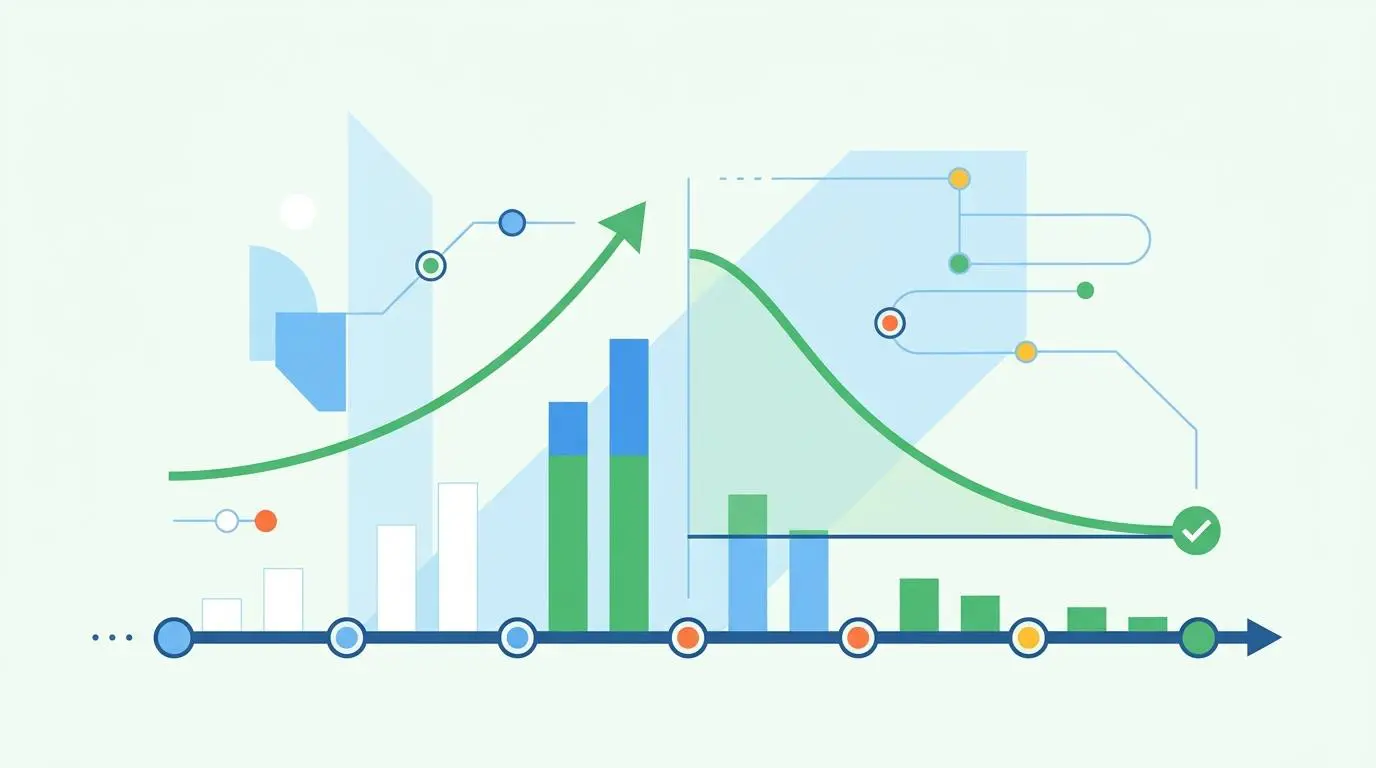
Understanding the sheer power of edge-side orchestration requires examining the data driving enterprise adoption. Transitioning from reactive fetching to proactive prerendering fundamentally alters how performance metrics are recorded.
When a page fully renders in a hidden background tab, traditional web performance milestones are effectively bypassed. The moment a user clicks, the browser simply swaps the hidden tab into the foreground.
This architectural shift creates staggering improvements in perceived load times. Field data verified in 2026 shows that full prerendering via the Speculation Rules API reduces perceived Time to First Byte to zero milliseconds.
Server response times become entirely irrelevant to the user experience. The page is already waiting before their finger even leaves the mouse button.
The impact on core web vitals is equally profound for complex e-commerce architectures. An enterprise-scale case study by the Etsy Search Team demonstrated a 20-24% reduction in Largest Contentful Paint (LCP) across Chromium-based browsers.
This massive reduction in LCP directly correlates to lower bounce rates and higher conversion velocities. When users experience zero friction between product listing pages, their propensity to purchase increases exponentially.
Server-Side Injection and Edge Automation
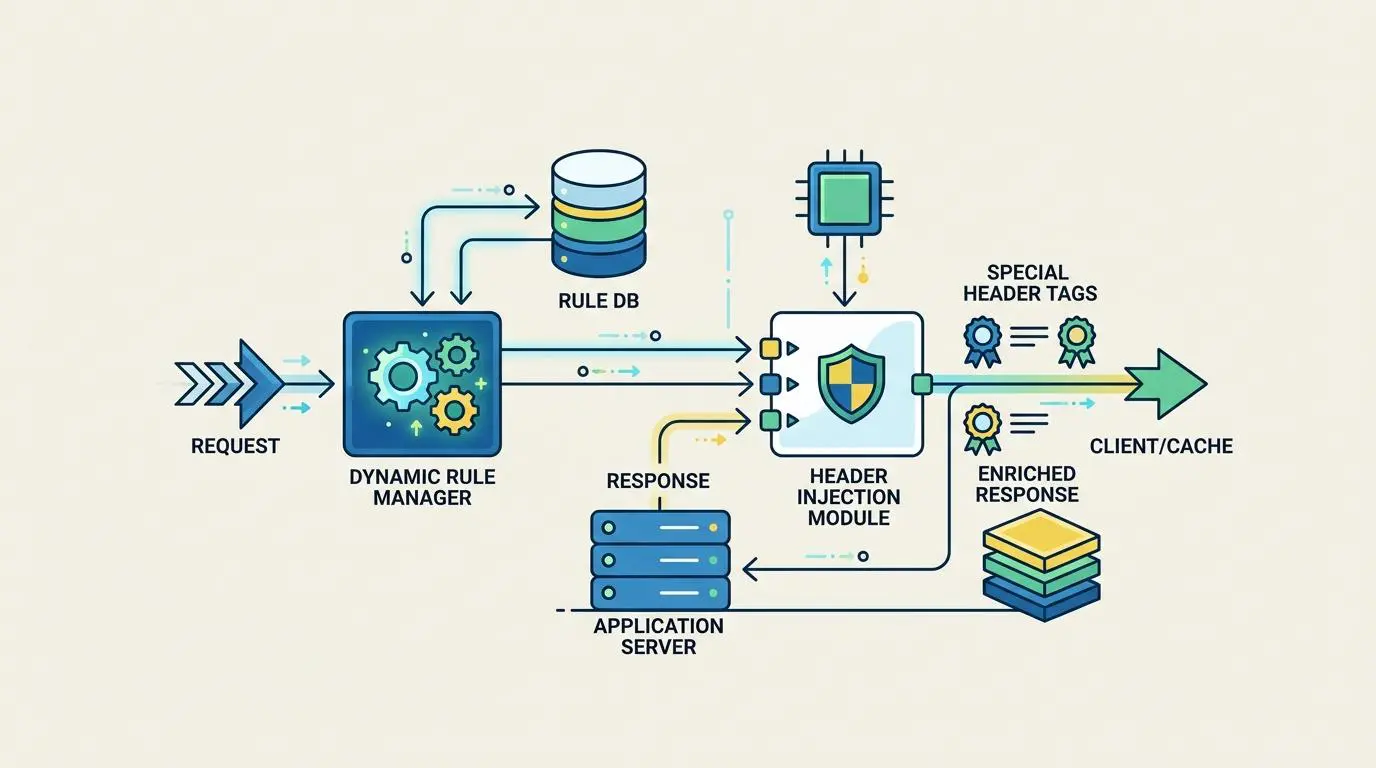
Implementing this technology requires a sophisticated serverless architecture. Cloudflare Workers utilize the HTMLRewriter API to dynamically inject speculation rules directly into the head of response bodies.
This allows technical SEOs to manipulate the DOM at the edge without touching the origin server’s legacy codebase. The injection happens in milliseconds and remains completely transparent to the end user.
However, this architecture is rapidly evolving beyond inline script tags. Many architects are now transitioning from inline rules to the Speculation-Rules HTTP header.
This header points to a worker-generated JSON file, effectively decoupling speculation logic from the origin HTML output. This decoupling allows the JSON payload to be cached independently, drastically reducing the initial document payload size.
Despite the elegance of this solution, real-world friction exists at the infrastructure level. Edge CPU limits typically capped around 50ms on standard worker plans create a severe bottleneck.
Workers risk exceeding execution limits when parsing deep link hierarchies or consulting external APIs to determine high-probability URLs. Architects must implement aggressive edge caching strategies to pre-compute these JSON payloads asynchronously.
Bot Mitigation in a Prerendered World

Aggressive prerendering introduces a complex challenge for crawl budget optimization. The Speculation Rules API triggers requests with specific HTTP headers designed for prerendering and prefetching.
Infrastructure costs will spiral out of control if origin servers treat these requests identically to standard user navigations. Servers will waste expensive compute cycles generating full pages that may never actually be viewed.
Advanced Cloudflare Worker configurations intercept these specific headers to optimize resource allocation. They serve lightweight, headless-friendly versions of pages to bots while allowing full-weight prerendering for verified human sessions.
This preserves origin server resources while ensuring search engine crawlers receive the exact semantic HTML required for indexing.
Unfortunately, misconfigured speculation rules often lead to severe data corruption. Server-side log bloat and analytics inflation occur when ghost speculative loads are misidentified as genuine user sessions.
This leads to inflated unique visitor counts and skewed conversion rate optimization data. Marketing teams end up making decisions based on pages prerendered in the background but never actually viewed.
To combat this, the industry is adopting a new browser-level safeguard. The Prerender Until Script update allows Cloudflare Workers to safely prerender JavaScript-heavy sites.
It instructs the browser to pause execution the moment it encounters a synchronous script tag. This provides massive performance benefits without the risk of accidental server-side state mutations or double-firing analytics.
Sculpting Internal PageRank at the Edge
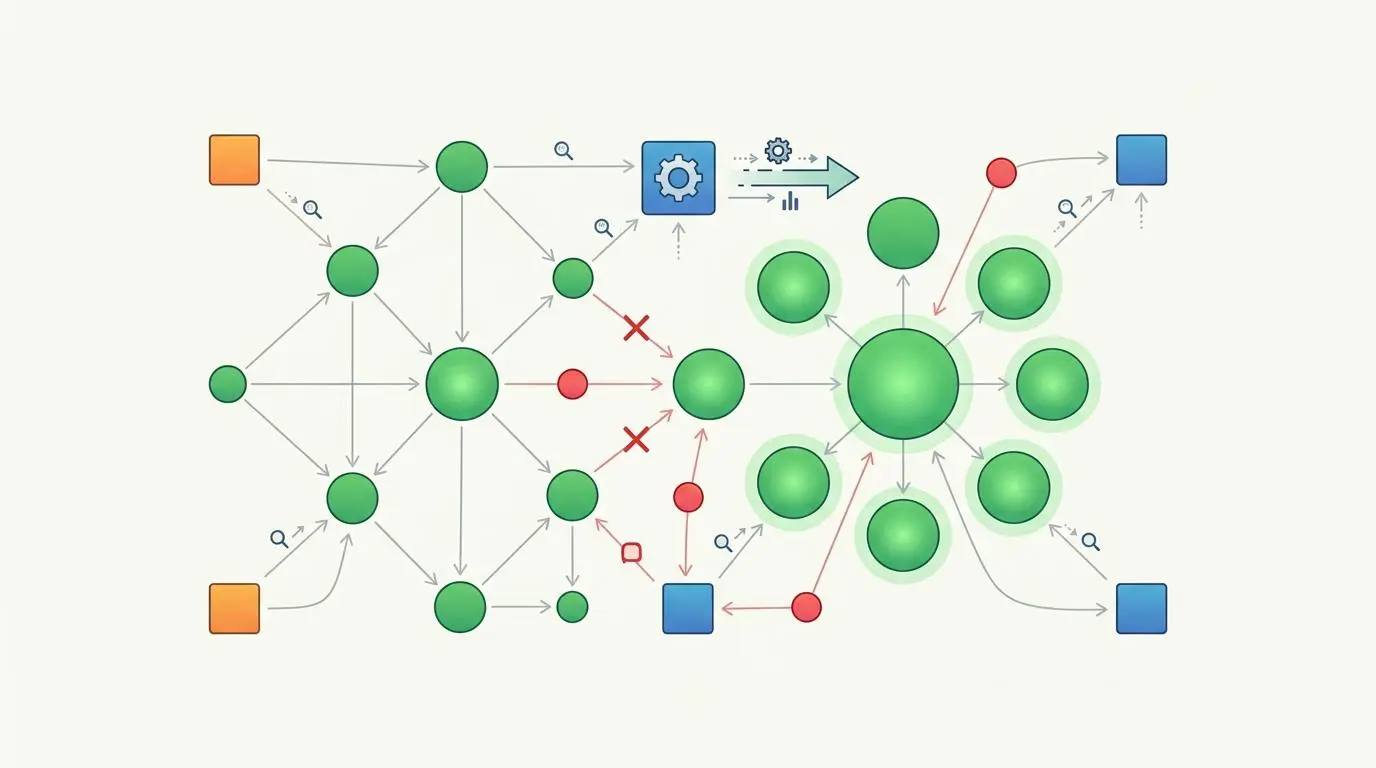
Not all internal links carry the same business value or conversion potential. Edge workers now consult distributed databases in real-time to identify URLs with the highest conversion propensity.
We refer to this dynamic prioritization as sculpting Internal PageRank at the edge. Instead of guessing what a user might click, the worker relies on historical conversion data to make calculated rendering bets.
Injecting speculation rules only for priority paths ensures the browser’s background rendering budget is spent exclusively on high-value organic funnels. If a user lands on a blog post, the worker might only inject a prerender rule for the primary product landing page.
This laser-focused approach guarantees that infrastructure costs align directly with revenue-generating user flows.
However, aggressive speculation carries inherent risks for mobile users. Over-speculation on mobile devices can lead to severe data drain penalties from the browser engine.
If a worker speculates ten paths and the user clicks none, the mobile browser may throttle future background requests to save bandwidth. Dynamic rule injection must remain highly conservative on mobile networks by utilizing the Network Information API to scale back prefetching on cellular connections.
Programmatic APIs and Cross-Origin Barriers
The landscape of automated prefetching is becoming increasingly democratized. The Cloudflare Speed Brain feature automates conservative prefetching out of the box for standard deployments.
While this suffices for basic sites, programmatic SEO stacks require far more granular control over the indexation pipeline. Enterprise architects are building custom pipelines that merge search console data directly with edge routing logic.
Modern stacks now integrate URL inspection APIs with edge workers to dynamically prioritize the prerendering of specific URLs. When a URL is stuck in a discovered but not indexed state, the worker injects it into the speculation rules of high-traffic pages.
This forces real user browsers to request the unindexed URL in the background, generating human-like interaction signals that encourage search engines to prioritize the crawl.
Despite these innovations, architectural walls still limit global deployments. Cross-origin limitations remain a significant architectural barrier for complex enterprise networks.
The Speculation Rules API primarily supports same-origin prerendering to prevent privacy leaks and cross-site scripting vulnerabilities. This makes it exceedingly difficult to automate instant navigation for global brands operating across multiple subdomains or regional top-level domains.
The Dawn of Neural Speculation
The industry is rapidly shifting toward a paradigm known as Neural Speculation. Edge-native language models will soon analyze real-time cursor trajectory and biometric interaction data.
These models will generate hyper-personalized speculation rules on the fly, predicting the user’s next navigation steps with incredible accuracy. This evolution will make multi-page applications virtually indistinguishable from local-first software.
This evolution will render static caching rules obsolete. The edge will no longer just serve content; it will actively anticipate human behavior.
Technical SEOs will transition from managing crawl budgets to training edge models on user intent signals.
Navigating the intersection of technical SEO, programmatic architecture, and workflow automation requires a sharp strategy. To future-proof your site’s architecture and scale with precision, connect with Andres at Andres SEO Expert.
Frequently Asked Questions
What is the Latency-Action Gap in modern web architecture?
The Latency-Action Gap is a performance bottleneck where a user’s intent to click outpaces the browser’s ability to fetch resources. This usually occurs because the browser waits for client-side JavaScript execution before initiating a prefetch, a delay that edge-side orchestration solves by proactively pre-rendering content.
How do edge-side speculation rules improve Core Web Vitals like LCP?
By shifting orchestration to the edge, technical SEOs can inject speculation rules that allow the browser to prerender pages in hidden background tabs. This can reduce Largest Contentful Paint (LCP) by 20-24%, as the page is swapped into the foreground instantly upon a click, effectively bypassing traditional server response times.
What is the difference between inline speculation rules and the Speculation-Rules HTTP header?
Inline rules are script tags injected directly into the HTML head, whereas the Speculation-Rules HTTP header points to an external worker-generated JSON file. Using the header decouples speculation logic from the origin’s HTML, allowing for smaller payload sizes and independent caching of the speculation instructions.
How can websites avoid analytics inflation caused by speculative pre-rendering?
To prevent ghost speculative loads from skewing data, developers use the ‘Prerender Until Script’ browser update, which pauses JavaScript execution until a user actually navigates to the page. Additionally, edge workers can intercept ‘Sec-Purpose: prerender’ headers to ensure background loads are not misidentified as genuine user sessions.
What are the risks of over-speculation on mobile devices?
Aggressive speculation on mobile can lead to ‘Data Drain,’ where background downloads consume valuable user bandwidth for pages that are never viewed. To mitigate this, dynamic rule injection should utilize the Network Information API to scale back prefetching on cellular connections to avoid browser-level throttling.
How does sculpting Internal PageRank at the edge function?
This technique involves edge workers consulting databases like Cloudflare KV to identify internal links with the highest conversion propensity. The worker then only injects speculation rules for these high-value paths, ensuring the browser’s background rendering budget is spent exclusively on URLs most likely to drive revenue.