

Key Points
- Proactive Telemetry Integration: HID-Driven Ergonomic Orchestration (HEO) utilizes real-time keyboard and mouse telemetry to automate mandatory break scheduling, eliminating the 12% error spike caused by unmanaged micro-fatigue.
- Biometric Privacy Compliance: Modern automation frameworks leverage edge-processing and Differential Privacy to analyze biometric mouse rhythms locally, ensuring strict compliance with the 2026 EU AI Act and regional electronic monitoring laws.
- Context-Aware Interventions: Integrating Smart-Snooze logic prevents disruptive productivity resets by allowing systems to cross-reference active Jira deployments or video calls before triggering OS-level rest prompts.
Table of Contents
- The Invisible Toll of Unbroken Focus
- Quantifying the Impact of Managed Work Rhythms
- Overcoming Flow-State Inertia with Telemetry
- Eliminating the Hidden Tax of Manual Tracking
- Balancing Automation with Human Context
- Navigating Biometric Privacy and Compliance
- Measuring the Return on Ergonomic Automation
- The Next Generation of Cognitive Load Monitoring
- Pioneering the Future of Environment Orchestration
The Invisible Toll of Unbroken Focus
Unchecked deep work silently erodes the physical foundation of your highest-performing knowledge workers. When developers and analysts override their natural somatic fatigue signals during intense concentration, the result is a staggering 34% increase in Repetitive Strain Injury (RSI) cases since the 2024 remote-work stabilization.
This concentration-induced physical neglect represents a massive operational vulnerability. Relying on traditional clock-based timers or self-regulation completely fails when employees are locked into complex tasks.
Enter HID-Driven Ergonomic Orchestration (HEO). This advanced automation framework eliminates the guesswork by analyzing continuous keyboard typing and mouse movement in real time to schedule mandatory breaks dynamically.
Quantifying the Impact of Managed Work Rhythms
Market Intelligence & Data
Drop in Lost-Time Claims
The National Council on Compensation Insurance (NCCI) 2025 report found that AI-driven risk mitigation contributed to an 8% decline in lost-time worker compensation claims.
Remote Monitoring Adoption
A 2025 MIT research study confirmed that 80% of companies now utilize some form of digital monitoring for remote or hybrid workforces to ensure operational visibility.
Global Workplace Wellness Market
According to a 2026 report by Global Market Insights, the global workplace wellness sector has reached $58.3 billion, driven by the expansion of data-driven health solutions.
Reduction in Quit Rates
A 2026 peer-reviewed Nature study revealed that hybrid work and automated flexible scheduling reduce employee quit rates by 33% without compromising productivity.
The shift toward proactive health automation is already reshaping risk management across enterprise operations. The National Council on Compensation Insurance (NCCI) 2025 report highlighted how AI-driven risk mitigation contributed to an 8% decline in lost-time worker compensation claims. By stepping in before micro-fatigue cascades into chronic injury, automated break scheduling directly protects the bottom line.
Visibility into distributed workforce health is no longer a luxury but a fundamental requirement for operational stability. A 2025 MIT research study confirmed that 80% of companies now utilize some form of digital monitoring for remote or hybrid workforces to ensure operational visibility. This massive adoption curve underscores the critical need for systems that track wellness rather than just keystroke volume.
The financial ecosystem supporting employee health is expanding at an unprecedented rate due to the integration of data-driven telemetry. According to a 2026 report by Global Market Insights, the global workplace wellness sector has reached $58.3 billion, driven by the expansion of data-driven health solutions. This capital influx is rapidly funding smarter, more integrated automation tools that prevent burnout.
Retaining top talent in a competitive landscape requires more than just salary; it demands systemic respect for human limits. A 2026 peer-reviewed Nature study revealed that hybrid work and automated flexible scheduling reduces employee quit rates by 33% without compromising productivity. Furthermore, as private-industry employer costs reached $46.05 per hour, deploying intelligent break automation becomes a mathematically sound strategy for talent retention.
Overcoming Flow-State Inertia with Telemetry
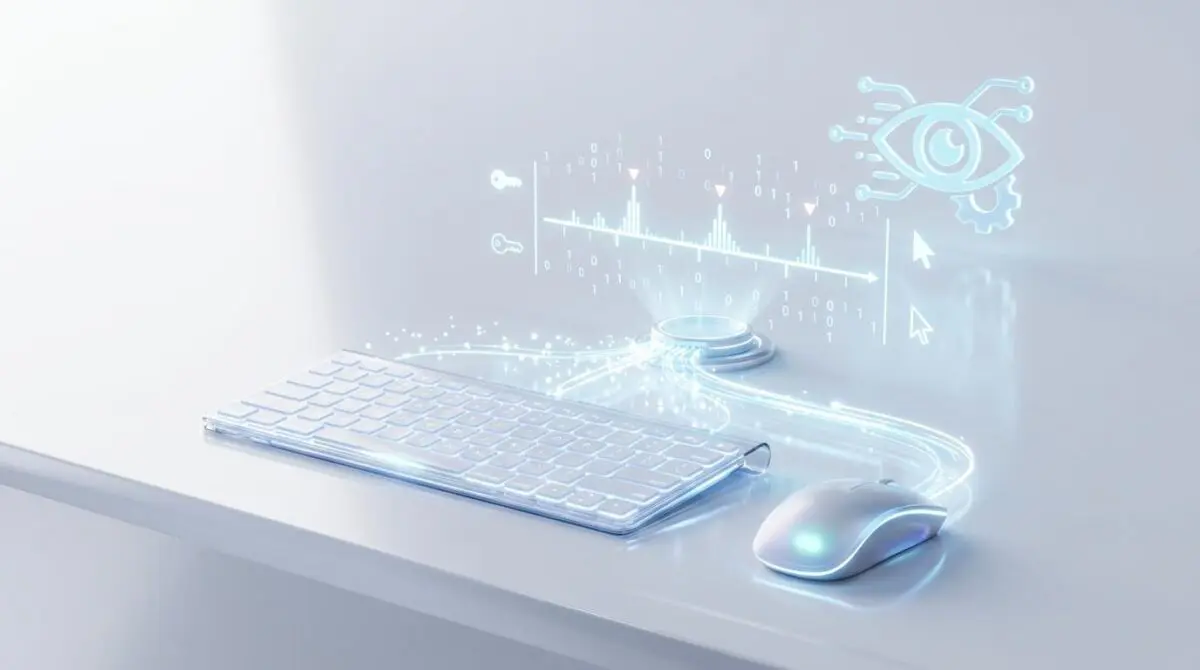
Flow-state inertia causes developers and analysts to maintain static postures for hours, entirely bypassing traditional clock-based timers. This intense focus feels productive but actively deteriorates physical readiness and long-term output.
Tools like ActivTrak and CurrentWare now utilize Human Interface Device (HID) telemetry to detect cadence stutter in typing. These systems monitor continuous keyboard output and trigger OS-level mandatory rest prompts when sustained typing exceeds 50 minutes without a 180-second idle period.
By automating the intervention, organizations protect their most dedicated employees from their own relentless drive. This ensures that peak performance is sustainable across the entire workweek.
Eliminating the Hidden Tax of Manual Tracking
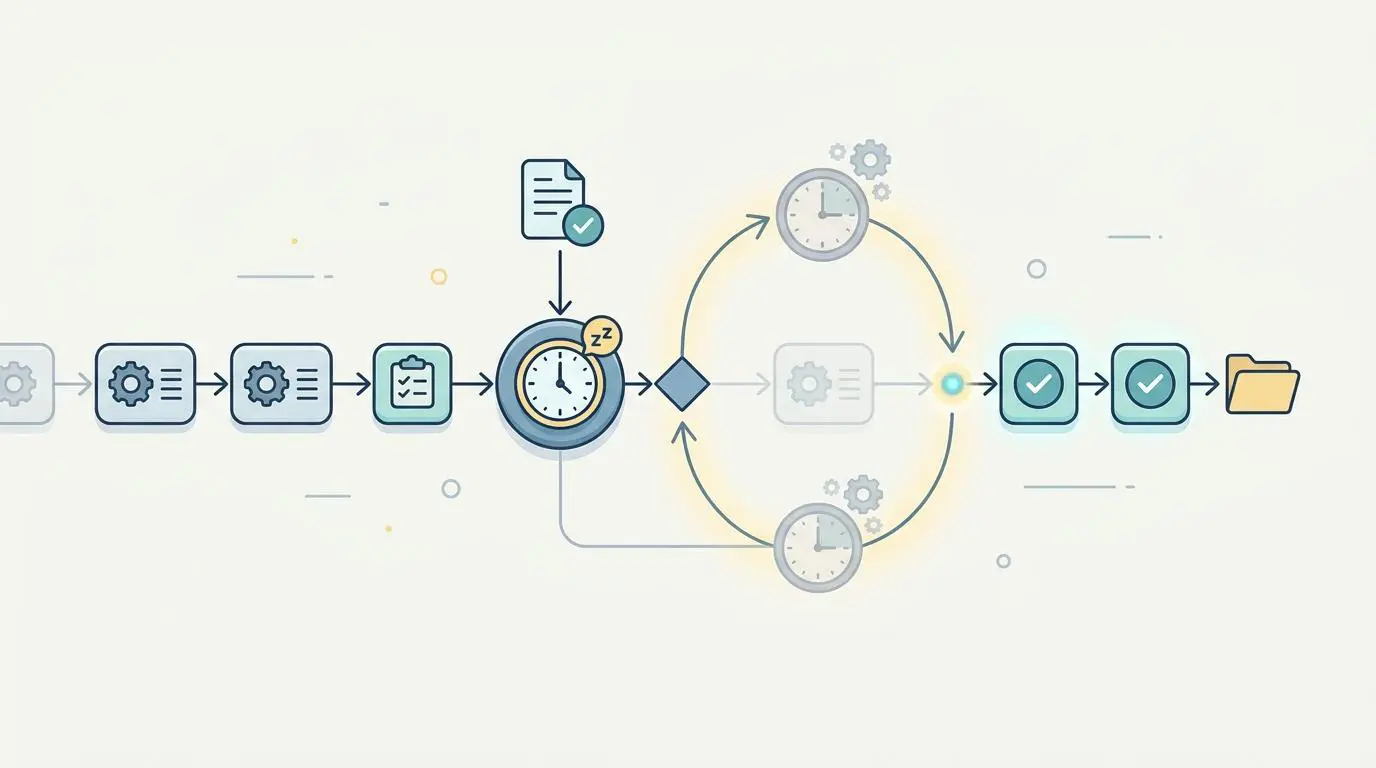
Micro-fatigue compounds silently over a shift, leading to a severe 12% spike in error rates during the final two hours of unmanaged digital labor. This degradation in work quality forces costly rework and delays critical project timelines.
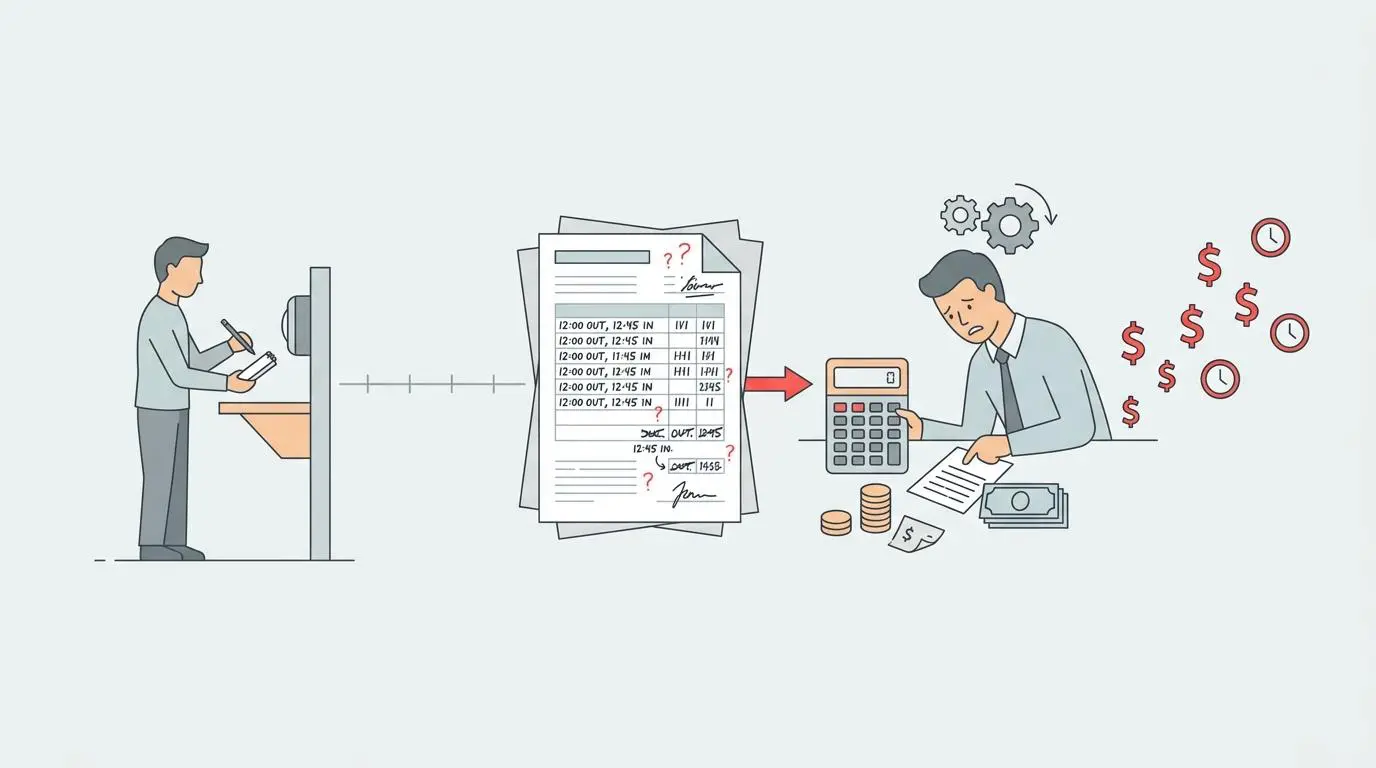
Manual break tracking errors in 200-person operations now represent an average annual loss of $184,000 due to mismanaged overtime and fatigue-driven errors. Relying on human managers to enforce rest periods is an outdated, mathematically flawed approach to workforce management.
Automating these workflows through HID-Driven Ergonomic Orchestration entirely removes the administrative burden. It guarantees compliance and sustains high cognitive performance throughout the entire workday.
Balancing Automation with Human Context
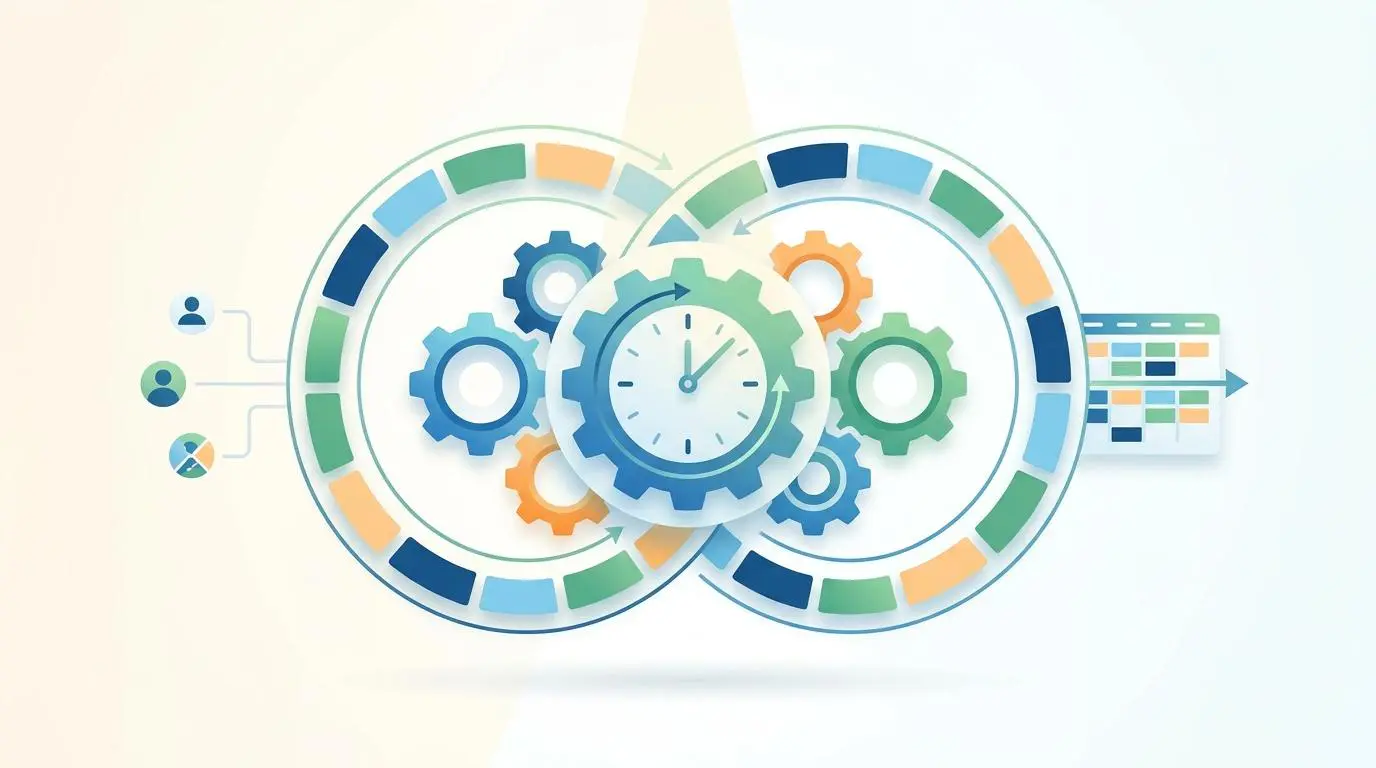
The productivity reset cost caused by intrusive automation that forces breaks during high-stakes cognitive tasks can be incredibly frustrating. Interrupting a critical deployment or a client negotiation destroys momentum and breeds resentment toward wellness tools.
To counter this, platforms like Deputy and TimeForge have introduced Smart-Snooze logic into their orchestration engines. This allows workers to delay a mandatory break if the system detects an active video call or a high-priority deployment tag in Jira or GitHub.
This human-in-the-loop factor ensures that automation serves the workflow rather than blindly disrupting it. It creates a seamless synergy between necessary physical rest and critical business operations.
Navigating Biometric Privacy and Compliance
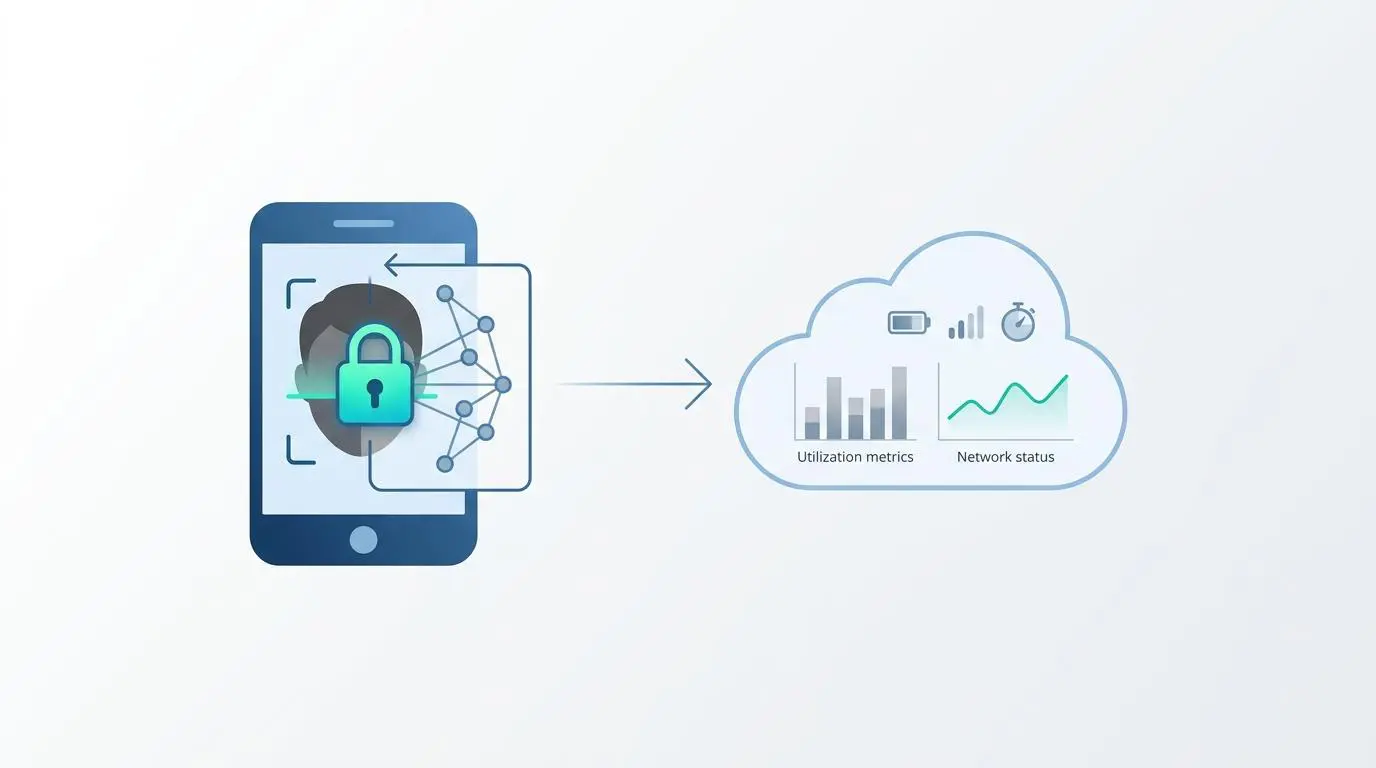
The legal exposure of companies using outdated monitoring software that inadvertently logs sensitive, health-revealing biometric patterns is a massive corporate risk. Under the 2026 California and Maine electronic monitoring laws, mouse rhythms are now legally classified as Biometric Information.
Modern HEO tools must now use edge-processing to analyze jitter without transmitting raw HID data to the cloud. As of March 2026, the use of Differential Privacy in HID telemetry allows wellness tools to analyze mouse movement jitter.
This jitter is a primary indicator of neuro-muscular fatigue. By analyzing it locally without recording actual screen coordinates, companies satisfy the 2026 EU AI Act non-intrusive monitoring requirements while protecting employee privacy.
Measuring the Return on Ergonomic Automation
The administrative burden on managers who spend up to 4 hours weekly manually adjusting shift patterns to meet rest-break compliance is a massive drain on leadership resources. This manual scheduling is prone to human error and simply cannot adapt to real-time fatigue signals.
New 2026 data shows that companies using XShift AI to automate break rotations see a 20% reduction in job stress metrics. More importantly, this intelligent orchestration results in the recovery of 19 minutes of daily focus per employee.
By shifting the responsibility of break management from human supervisors to autonomous HID telemetry, organizations unlock immediate operational bandwidth. The return on investment is realized through both reclaimed managerial time and sustained employee output.
The Next Generation of Cognitive Load Monitoring
The fundamental flaw in traditional telemetry is the lag time between mental burnout and physical symptom manifestation. By the time typing cadence slows down, the cognitive damage and fatigue have already set in.
Next-generation HEO systems are solving this by integrating with infrared eye-tracking sensors. These advanced setups detect pupil dilation and blink-rate variance as a proxy for cognitive load long before physical typing speed degrades.
This predictive approach allows the automation agent to intervene proactively. It represents a monumental shift from reactive rest prompts to true, predictive physiological support.
Pioneering the Future of Environment Orchestration
By late 2026, the market will shift entirely from simple break reminders to holistic Environment Orchestration. The automation agent will no longer just prompt a break; it will actively dim screen blue-light levels or lock non-critical notification APIs.
This forces a lower cognitive-load state based purely on biometric fatigue thresholds, creating a deeply integrated, self-healing workspace. The future of productivity lies in systems that protect the human engine driving the output.
Navigating the intersection of technology, workflows, and operational efficiency requires a sharp strategy. To future-proof your business architecture and scale with precision, connect with Andres at Andres SEO Expert.
Frequently Asked Questions
What is HID-Driven Ergonomic Orchestration (HEO)?
HID-Driven Ergonomic Orchestration (HEO) is an advanced automation framework that analyzes continuous keyboard and mouse telemetry in real-time. It uses this data to dynamically schedule mandatory breaks, preventing Repetitive Strain Injury (RSI) by intervening before micro-fatigue cascades into chronic injury.
How does automated break scheduling impact employee retention?
According to a 2026 Nature study, automated flexible scheduling and hybrid work models reduce employee quit rates by 33%. By implementing systemic respect for human physiological limits, organizations can maintain high productivity while significantly lowering turnover costs.
Are keyboard and mouse rhythms legally classified as biometric data?
Yes, under 2026 electronic monitoring laws in California and Maine, mouse rhythms are legally classified as Biometric Information. Modern HEO tools must utilize edge-processing and differential privacy to analyze these patterns without transmitting raw data to the cloud to remain compliant with the EU AI Act.
How does Smart-Snooze logic prevent productivity disruptions?
Smart-Snooze logic allows wellness automation to account for human context. If the system detects an active video call or a high-priority deployment tag in GitHub or Jira, it allows the user to delay a mandatory break, ensuring automation serves the workflow rather than disrupting high-stakes tasks.
What is the financial cost of unmanaged employee fatigue?
Unmanaged digital labor leads to a 12% spike in error rates during the final two hours of a shift. For a 200-person operation, the resulting manual tracking errors and fatigue-driven rework represent an average annual loss of $184,000.
What is the future of cognitive load monitoring in the workplace?
The next generation of HEO systems utilizes infrared eye-tracking to monitor pupil dilation and blink-rate variance. This technology detects cognitive load shifts before physical typing speed degrades, moving from reactive rest prompts to predictive physiological support.