Executive Summary
- Function calling enables Large Language Models (LLMs) to interface with external APIs by generating structured JSON arguments based on natural language prompts.
- It serves as a critical bridge for grounding AI responses in real-time data, significantly reducing hallucinations in RAG and agentic workflows.
- For GEO, function calling allows brands to provide structured entry points for AI agents to retrieve pricing, inventory, or specific service data directly from the source.
What is Function Calling?
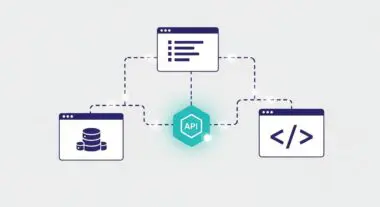
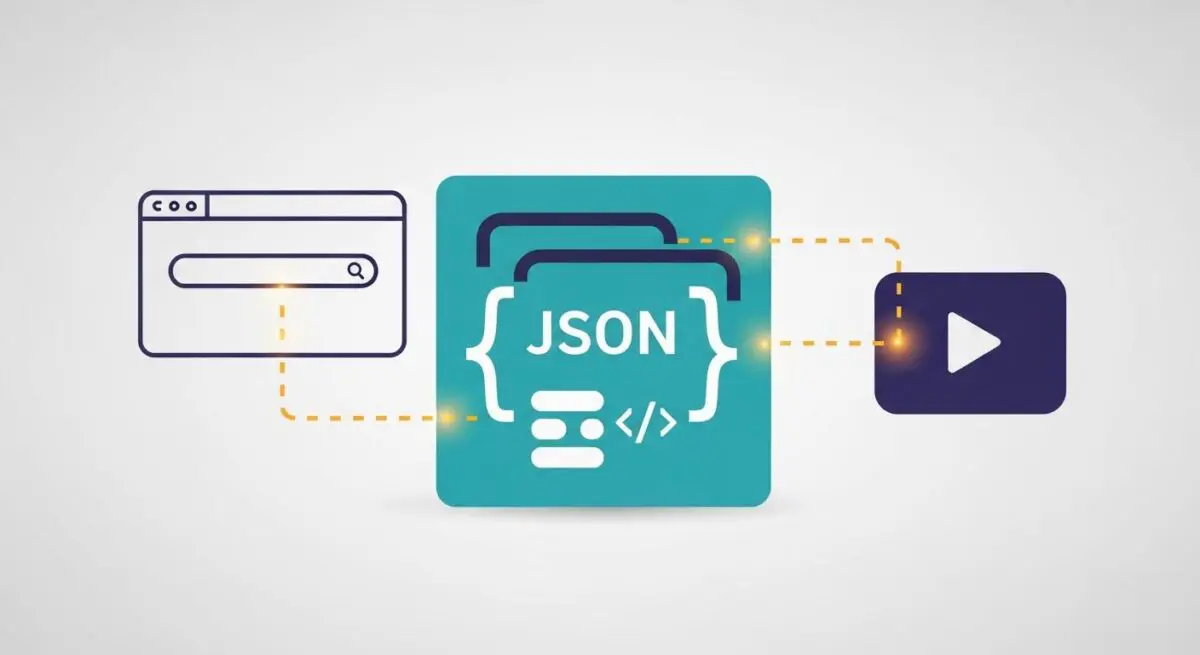
Function calling is a technical capability in modern Large Language Models (LLMs) that allows the model to describe tools or APIs as functions and generate structured JSON output to invoke them. Rather than the model executing the code itself, it acts as an intelligent router that identifies when an external tool is required to fulfill a user request. It then extracts the necessary parameters from the conversation to populate the function’s arguments, ensuring the data is formatted correctly for programmatic consumption.
This mechanism transforms a static LLM into an active agent capable of interacting with databases, web services, and proprietary software. By defining a schema—typically using JSON Schema—developers provide the model with a blueprint of available actions. The model uses this context to determine which function to call, effectively bridging the gap between unstructured natural language and structured computational logic.
The Real-World Analogy
Imagine a professional concierge at a high-end hotel. The concierge (the LLM) has vast knowledge but cannot personally cook a five-star meal or drive a limousine. When a guest asks for a specific dinner, the concierge doesn’t go into the kitchen; instead, they fill out a precise order form (the JSON arguments) and send it to the chef (the API). The chef prepares the meal based on those exact instructions and sends it back. The concierge then presents the meal to the guest. Function calling is that precise “order form” that allows the knowledgeable assistant to trigger specialized services to get the job done.
Why is Function Calling Important for GEO and LLMs?
In the context of Generative Engine Optimization (GEO), function calling is a primary driver of Entity Authority and Source Attribution. When an AI search engine like Perplexity or a ChatGPT-based agent uses function calling to query a brand’s API, it ensures the information provided to the user is accurate, real-time, and verifiable. This reduces the risk of the model hallucinating outdated pricing or unavailable stock.
Furthermore, function calling enhances AI visibility by making a brand’s data “actionable.” If a brand provides a well-documented API that an LLM can call, that brand becomes a functional part of the AI’s ecosystem. This integration moves beyond simple text indexing and into the realm of Agentic Search, where the AI doesn’t just talk about a service but can actively facilitate a transaction or a deep-data retrieval through the brand’s own infrastructure.
Best Practices & Implementation
- Precise Schema Definitions: Use clear, descriptive names for functions and parameters. The LLM relies on these descriptions to understand when and how to use the tool.
- Strict Type Validation: Implement rigorous server-side validation for the JSON arguments generated by the LLM to prevent execution errors or security vulnerabilities.
- Minimalist Toolsets: Provide only the necessary functions for a specific task to reduce “prompt noise” and prevent the model from selecting the wrong tool.
- Error Handling Loops: Design the system to feed execution errors back to the LLM, allowing it to self-correct and regenerate the function call if the first attempt fails.
Common Mistakes to Avoid
One frequent error is providing ambiguous function descriptions, which leads to “tool confusion” where the LLM invokes the wrong API. Another critical mistake is failing to sanitize the inputs generated by the model, which can expose the underlying system to prompt injection attacks via the function parameters. Finally, many organizations overlook the latency introduced by multiple round-trips between the model and the API, which can degrade the user experience if not optimized.
Conclusion
Function calling is the foundational technology that enables LLMs to transition from passive text generators to active, data-driven agents. For SEO and GEO professionals, mastering this interface is essential for ensuring brand data is accurately consumed and utilized by the next generation of AI search engines.