Executive Summary
- Email sequencing utilizes programmatic logic and behavioral triggers to automate complex, multi-step communication workflows.
- Integration with CRM APIs and webhook listeners allows for real-time, stateful adjustments to the messaging path based on user data.
- Technical optimization of deliverability protocols and dynamic content injection is essential for scaling AI-driven content operations.
What is Email Sequencing?
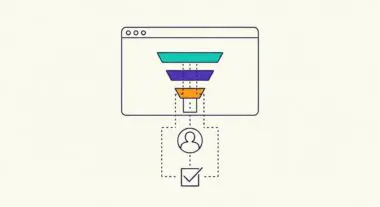
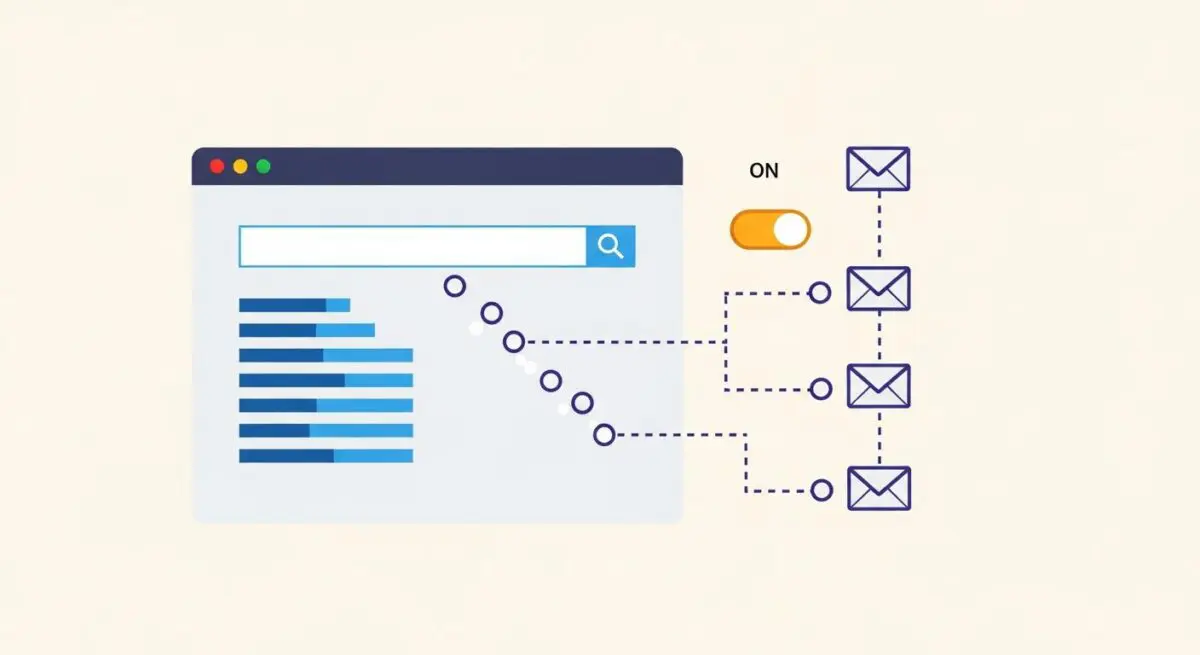
Email sequencing is the programmatic execution of a series of electronic communications delivered to a recipient based on predefined temporal intervals or specific behavioral triggers. In the context of AI automations, these sequences function as stateful workflows where the delivery of subsequent messages is contingent upon the data state of the recipient within a CRM or database. This process relies on robust API integrations and SMTP relays to ensure high-volume delivery while maintaining granular control over the messaging pipeline.
Technically, an email sequence is governed by a logic engine that evaluates JSON payloads from webhooks or internal database queries. When a trigger event—such as a lead capture or a specific API call—occurs, the automation platform initiates a series of “wait” and “send” actions. Advanced implementations utilize conditional branching (if/then logic) to alter the sequence path based on user interactions like link clicks, email opens, or metadata updates, effectively turning a linear process into a dynamic, responsive communication architecture.
The Real-World Analogy
Imagine a high-end automated irrigation system in a smart greenhouse. The system does not simply spray water at random; it follows a precise, sensor-driven sequence. If the soil sensor detects low moisture (the trigger), it initiates the first phase: a light misting. It then waits two hours (the delay). If the moisture level has not reached the target threshold (the condition), it proceeds to the next phase: a deep soak. If the target is met, the sequence pauses or moves to a maintenance phase. Email sequencing works exactly like this, delivering specific information only when the recipient’s behavior signals a technical readiness or need.
Why is Email Sequencing Critical for Autonomous Workflows and AI Content Ops?
In the era of AI-driven content operations, email sequencing serves as the primary mechanism for maintaining engagement across stateless automation environments. While many AI agents perform discrete, one-off tasks, sequencing allows for the preservation of context over time. By leveraging programmatic SEO and dynamic content injection, organizations can scale personalized outreach without manual intervention. This is critical for serverless architectures where compute resources are ephemeral; the sequence acts as the persistent logic layer that ensures the right data reaches the right user at the optimal time, maximizing the ROI of AI-generated assets.
Best Practices & Implementation
- Implement strict DMARC, SPF, and DKIM protocols to ensure high deliverability rates during high-volume programmatic execution.
- Utilize liquid templating or similar syntax to inject dynamic JSON data into email bodies, ensuring hyper-personalization at scale.
- Establish clear exit criteria within the automation logic to prevent redundant messaging once a conversion event is logged in the CRM.
- Monitor API rate limits of the sending provider to avoid throttling during massive batch operations or complex branching sequences.
- Use webhook listeners to feed engagement data back into the AI model, allowing for real-time optimization of future sequence steps.
Common Mistakes to Avoid
A frequent error is the failure to account for race conditions where multiple triggers might place a single user into conflicting sequences simultaneously, leading to brand fatigue. Additionally, many architects neglect to implement robust error handling for broken API calls, which can result in “dead” sequences where users are stuck in a perpetual wait state without receiving the intended communication.
Conclusion
Email sequencing is a fundamental component of sophisticated AI automations, providing the logic and structure necessary to transform static data into dynamic, high-conversion communication pipelines.