Key Points
- Eliminating Environmental Latency: Closed-Loop Adaptive Vision Pipelines dynamically adjust camera exposure in under 50 milliseconds, bypassing the need for manual grey card recalibration.
- Reclaiming Silent Labor Costs: Automating real-time light adjustments prevents high-skill engineers from wasting hours on repetitive tuning, saving an average of $250,000 annually in large facilities.
- Deploying Edge-AI Agents: Utilizing advanced neural engines and temporal smoothing prevents oscillating exposure loops and ensures consistent quality control regardless of ambient factory lighting.
Table of Contents
The Golden Hour Bottleneck
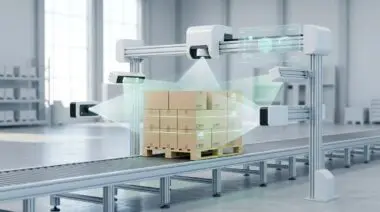
Picture this: It is 4:00 PM on the factory floor, and the afternoon sun breaches the high-bay skylights, casting a harsh glare across your high-speed sorting conveyor. Suddenly, a microscopic 2% shift in ambient light intensity wreaks havoc on your legacy inspection cameras. Edge detection algorithms fail instantly, and you are immediately staring at a 15% spike in false-negative sorting errors. The production line grinds to a halt while highly paid engineers scramble with grey cards to manually reset exposure settings.
This is the “Golden Hour” bottleneck, a daily operational nightmare that drains efficiency and destroys throughput metrics. Relying on static parameters in a dynamic physical environment is a fundamentally broken workflow. It forces operations to treat the symptoms of environmental shifts rather than curing the underlying data latency.
Enter Closed-Loop Adaptive Vision Pipelines (CLAVP). This system acts as a real-time autonomous nervous system for your robotic inspection units. Instead of relying on rigid, pre-programmed light budgets, CLAVP dynamically recalibrates camera parameters on the fly. It transforms an unpredictable physical environment into a perfectly controlled data stream, saving thousands of hours in manual resets and scaling your operations with absolute precision.
Quantifying the Efficiency Leap
Market Intelligence & Data
Reduction in False Rejects
According to the 2025 Smart Manufacturing Report by Deloitte, factories utilizing real-time adaptive vision saw a 38% decrease in false-reject rates compared to static lighting environments.
AI Vision Market Size
The global market for AI-enhanced industrial machine vision is projected to reach $6.2 billion by the end of 2026, as reported in the 2025 IDC Worldwide Robotics Forecast.
Daily Downtime Reclaimed
A 2026 benchmark study by the Association for Advancing Automation (A3) found that automated calibration saves an average of 22 minutes of downtime per shift in automotive assembly.
Deployment Preference
94% of manufacturing CTOs surveyed in the 2025 Gartner ‘Future of Supply Chain’ report identified ‘adaptive sensing’ as a top-3 priority for their 2026 automation roadmap.
A 38% reduction in false rejects fundamentally rewrites the economics of high-speed manufacturing. When factory lighting conditions fluctuate, standard cameras struggle to distinguish between harmless shadows and actual product defects. By adopting real-time adaptive systems, facilities eliminate this operational guesswork entirely. Quality control metrics remain rock solid regardless of ambient light, directly translating to higher yield and significantly less wasted material.
The projected $6.2 billion market size for AI-enhanced industrial machine vision underscores a massive shift in capital allocation. Manufacturing leaders are aggressively moving away from brittle, static logic controllers that fail under pressure. They are investing heavily in advanced edge hardware, such as NVIDIA Jetson Orin modules, to process complex visual data directly on the factory floor. This rapid financial growth highlights that adaptive vision is no longer an experimental luxury but a strict competitive necessity.
Reclaiming 22 minutes of daily downtime per shift might sound modest at first glance, but it compounds into massive operational savings over a fiscal year. In a fast-paced automotive assembly plant, every second the line stops for manual camera adjustments burns through profitability. Automated calibration systems handle these micro-adjustments seamlessly without ever stopping the conveyor belts. The industry is even adopting innovations like event-based vision to maintain flawless tracking in extreme lighting conditions, ensuring those reclaimed minutes stay focused on actual production.
When 94% of manufacturing CTOs prioritize adaptive sensing, it signals the definitive end of manual parameter tuning. Technical leaders recognize that scaling operations requires entirely eliminating environmental dependencies. They are restructuring their 2026 roadmaps to ensure that robotic vision systems can autonomously adapt to failing overhead LEDs or shifting sunlight. This overwhelming consensus proves that the future of supply chain automation is inherently self-correcting.
Navigating Daily Production Friction
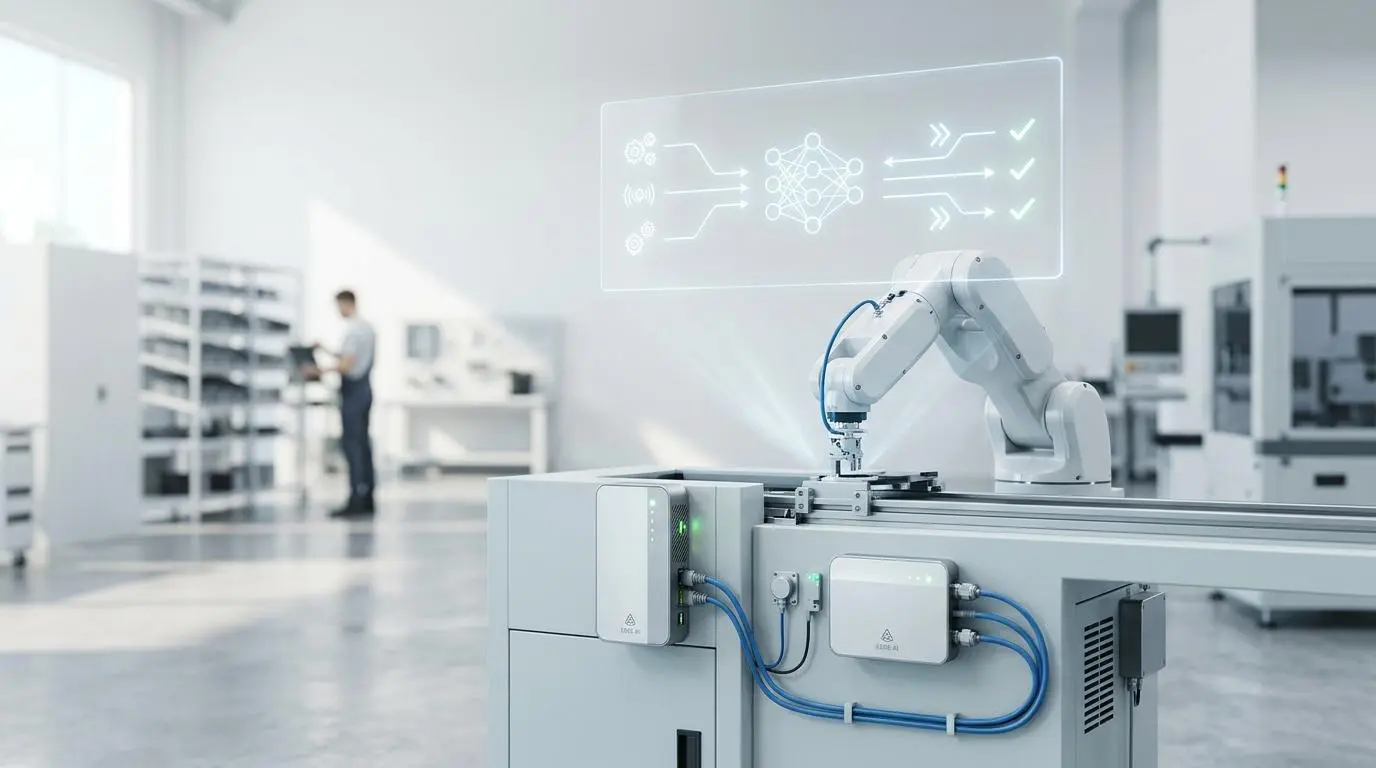
Standard industrial vision systems from legacy brands are incredibly powerful, but they heavily rely on static exposure settings. When passing clouds obscure the sun, the available factory light budget drops drastically in an instant. This sudden dimming acts like a tax on the system’s efficiency, causing critical edge detection algorithms to fail and halting the entire workflow.
To fix this failure, production supervisors are forced to rely on physical manual grey cards to recalibrate the lenses. This tedious, outdated process takes 10 to 15 minutes per camera, entirely stalling the assembly line. The real-world friction here is severe production latency, where a microscopic shift in light triggers massive sorting errors.
Deploying Edge-AI Agents
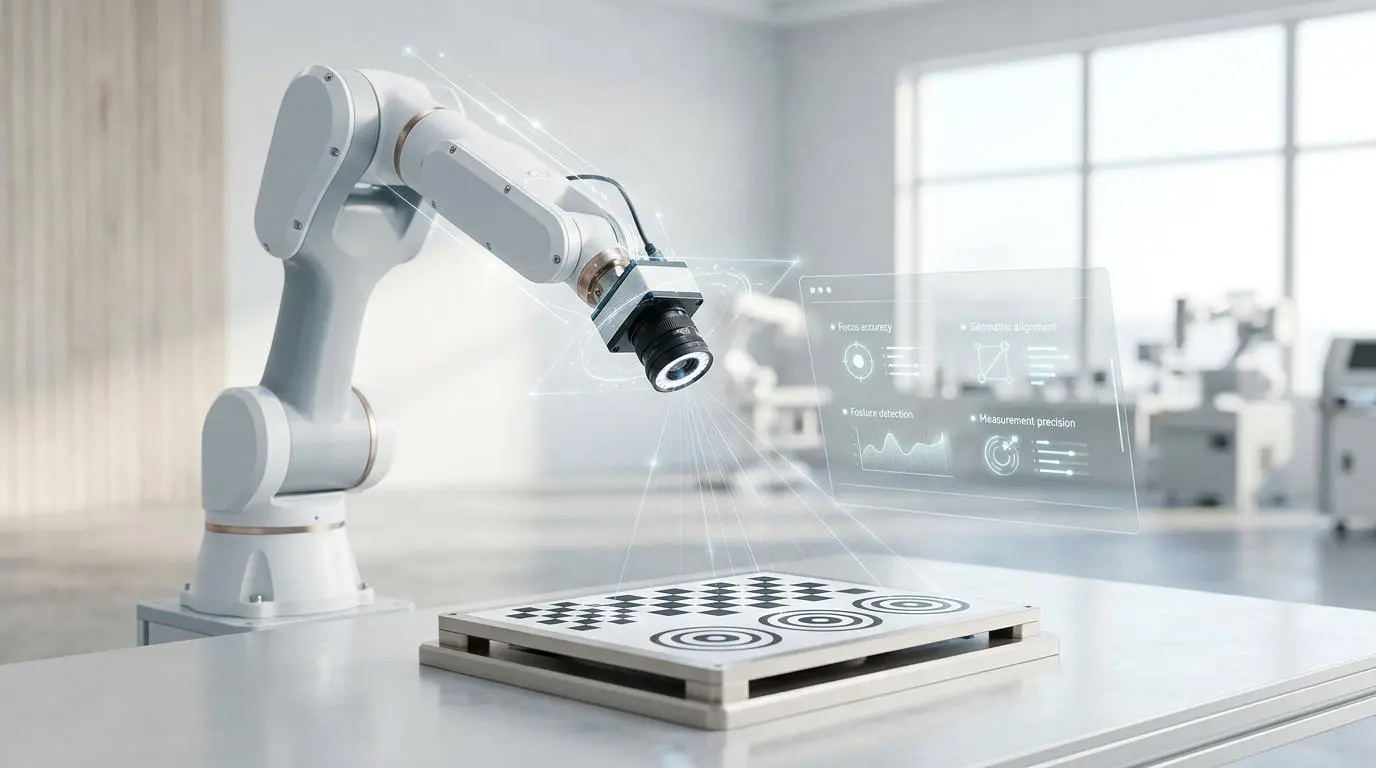
Legacy Programmable Logic Controllers (PLCs) simply lack the computational bandwidth to process non-linear lighting fluctuations in real-time. To bypass this hardware bottleneck, modern facilities deploy Edge-AI agents directly onto the hardware stack. These Dynamic Exposure Agents act as autonomous decision-makers on the factory floor, functioning much like a seasoned photographer instinctively adjusting a camera’s aperture.
By monitoring a secondary ambient light sensor, these agents utilize Reinforcement Learning to continuously optimize image quality. They can adjust ISO and gain settings in under 50 milliseconds without ever stopping the conveyor belt. This closed-loop feedback ensures the primary inspection model always receives perfectly exposed frames, eliminating the root cause of false rejects.
Calculating Hidden Labor Costs
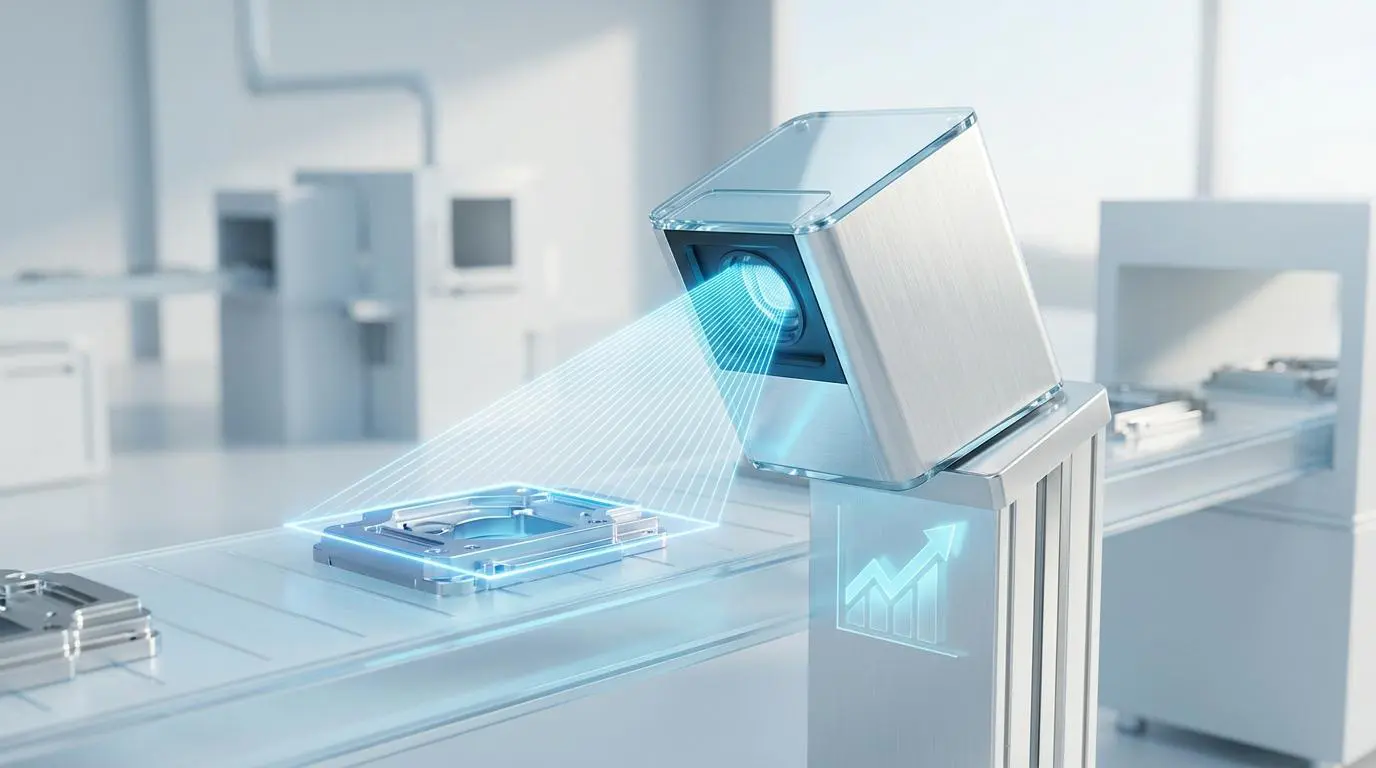
Manual recalibration is not just painfully slow; it is incredibly expensive and highly inefficient. It requires the direct intervention of high-skill vision engineers who command upwards of $120 per hour. When you scale this manual intervention across a massive 24/7 facility, the financial numbers become truly staggering.
Performing four to six recalibrations daily across ten production lines results in over $250,000 in annual silent labor costs. Beyond the direct financial drain, there is a severe human cost to this broken process. Specialized maintenance staff face rapid burnout when their days are consumed by repetitive, low-value parameter adjustments instead of strategic, high-level engineering.
Avoiding Oscillating Exposure Loops
Implementing automated calibration is not without its unique technical hurdles. One of the most common failure modes in early deployments is known as Gain Hunting. This occurs when the automation over-corrects for a temporary flash of light, such as a nearby welder’s arc or a passing forklift headlight.
The result is a highly grainy, unusable image that the AI inspection model cannot accurately interpret. This creates a frustrating real-world friction where vision systems enter a feedback loop of over-and-under exposure, much like a driver over-steering on an icy road. To solve this, modern data flows implement Temporal Smoothing, allowing the system to intelligently distinguish between a momentary flicker and a permanent lighting shift.
Proving Hardware ROI
Transitioning to automated calibration software, such as Teledyne DALSA’s Sapera Z-Expert, provides a highly tangible return on investment. In high-speed bottling and packaging sectors, these tools increase Overall Equipment Effectiveness (OEE) by an impressive 4.5% on average. This immediate boost in throughput makes the technology highly attractive to operations directors.
However, factory managers still face the daunting 12-month ROI hurdle when pitching these upgrades to the board. The initial capital expenditure for adaptive hardware must be rigorously justified against these incremental throughput gains. By calculating the exact cost of reclaimed downtime and significantly reduced material scrap, technical teams can easily build a bulletproof business case for CLAVP integration.
The Self-Illuminating Future
The ultimate goal of industrial automation is to completely remove environmental dependency from the operational equation. Currently, the unpredictable factory environment still dictates the success or failure of the automation workflow. By late 2026, the industry will shift toward fully Self-Illuminating vision systems.
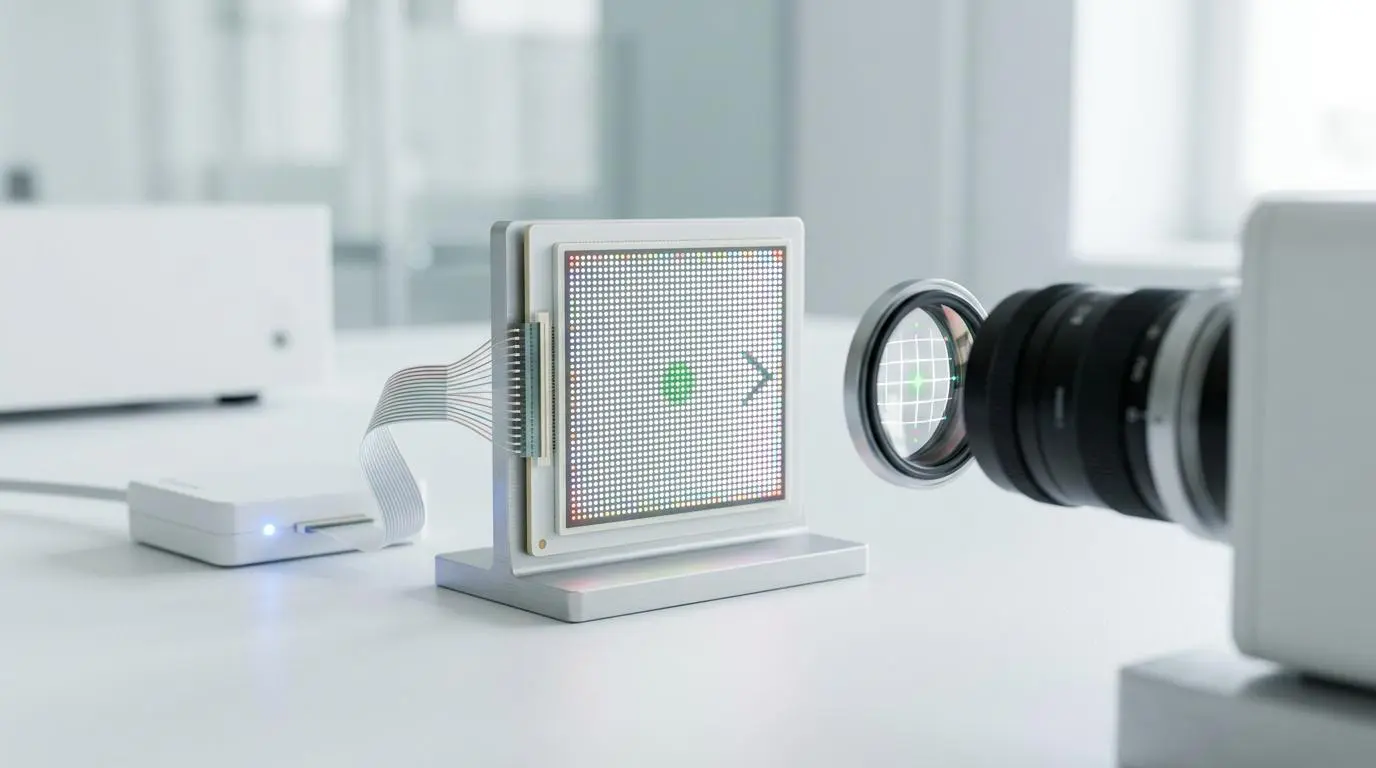
These futuristic setups will utilize advanced micro-LED arrays synchronized with camera shutters at the nanosecond level. This precise synchronization will effectively make external factory lighting conditions completely irrelevant to the inspection logic. It represents a massive paradigm shift where the hardware creates its own perfect operating conditions, sealing the ecosystem from outside variables.
Lighting-Agnostic Neural Engines
As we look toward the end of the decade, the reliance on physical light calibration will vanish entirely from the manufacturing floor. The next frontier is the deployment of Lighting-Agnostic Neural Engines. By utilizing synthetic data generators, engineers can create digital twins of every possible lighting failure, from extreme glare to deep shadows.
Pre-training vision models on these synthetic datasets ensures they can operate flawlessly without any on-the-fly exposure adjustments. The convergence of event-based sensors and synthetic training will render the Golden Hour bottleneck a relic of the past, pushing factories into an era of unprecedented autonomy.
Navigating the intersection of technology, workflows, and operational efficiency requires a sharp strategy. To future-proof your business architecture and scale with precision, connect with Andres at Andres SEO Expert.
Frequently Asked Questions
What is a Closed-Loop Adaptive Vision Pipeline (CLAVP)?
A Closed-Loop Adaptive Vision Pipeline is an autonomous system that acts as a real-time nervous system for robotic inspection units. It dynamically recalibrates camera parameters on the fly to transform unpredictable physical environments into perfectly controlled data streams, eliminating the need for manual parameter tuning.
How does the ‘Golden Hour’ bottleneck impact factory throughput?
The Golden Hour bottleneck occurs when natural light shifts (even by as little as 2%) cause legacy inspection cameras to fail, leading to a 15% spike in false-negative errors. This forces production lines to stop for 10 to 15 minutes while engineers manually reset exposure settings.
What are the measurable ROI benefits of adaptive vision systems?
Implementing adaptive vision typically results in a 38% reduction in false rejects and reclaims an average of 22 minutes of downtime per shift. In high-speed bottling and packaging, these tools can increase Overall Equipment Effectiveness (OEE) by 4.5%.
What is ‘Gain Hunting’ and how is it prevented?
Gain Hunting is a failure mode where automation over-corrects for temporary light flashes (like welding arcs), creating grainy images and unusable data. It is prevented using Temporal Smoothing, which helps the system distinguish between a momentary flicker and a permanent lighting shift.
Why are Edge-AI agents preferred over legacy PLCs for vision tasks?
Legacy Programmable Logic Controllers (PLCs) lack the computational bandwidth to process non-linear lighting fluctuations. Edge-AI agents use Reinforcement Learning to optimize image quality in under 50 milliseconds, ensuring continuous inspection without stopping conveyor belts.
What are Lighting-Agnostic Neural Engines?
These are vision models pre-trained on synthetic datasets that include every possible lighting failure mode, such as extreme glare or deep shadows. This training allows the AI to operate flawlessly without any real-time exposure adjustments, making external lighting conditions irrelevant.