Executive Summary
- Preconnect initiates early DNS lookups, TCP handshakes, and TLS negotiations to eliminate connection latency for critical third-party origins.
- It optimizes the critical rendering path by ensuring the socket is ready before the browser discovers the specific resource request.
- Strategic implementation directly improves Core Web Vitals, specifically Largest Contentful Paint (LCP) and First Contentful Paint (FCP), by reducing the time spent in the ‘Initial Connection’ phase.
What is Preconnect?
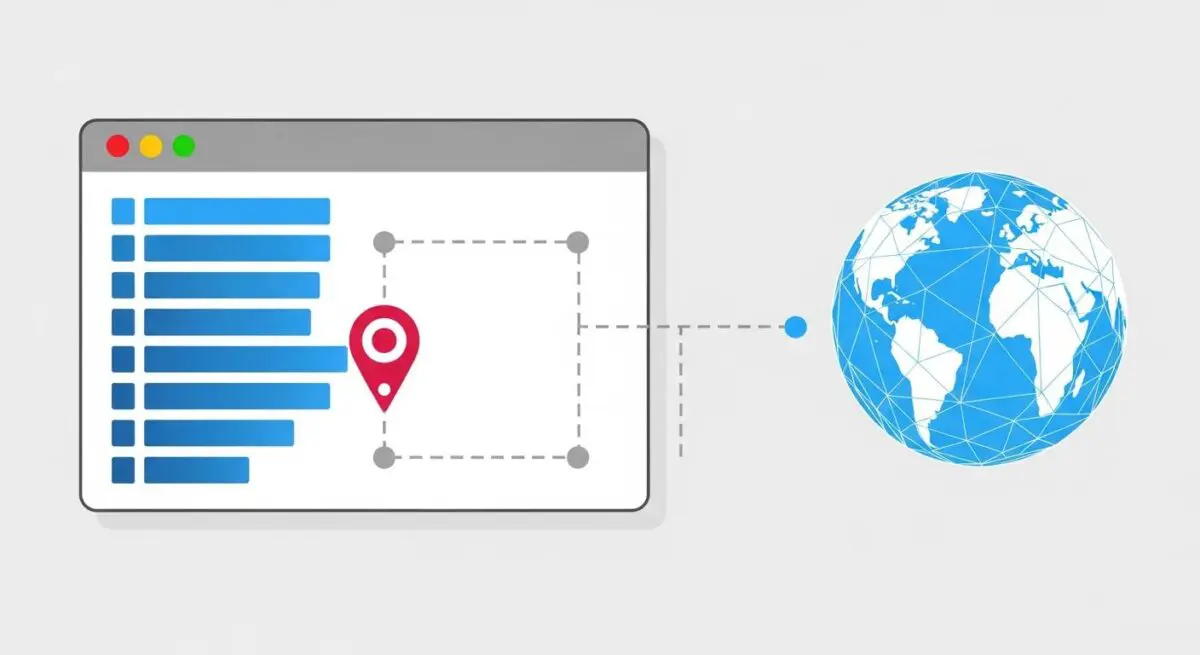
Preconnect is a high-priority resource hint, defined as rel=”preconnect”, that instructs the browser to establish an early connection to a specific cross-origin server. In modern web architecture, fetching a resource from a third-party domain requires three distinct steps before data transfer begins: a DNS lookup, a TCP handshake, and, for secure connections, a TLS negotiation. Each of these steps involves round-trips between the client and the server, which can introduce significant latency, especially on mobile networks or high-latency connections.
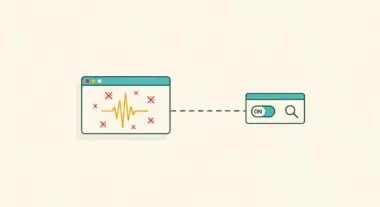
By using the preconnect hint, developers signal to the browser that a request to a specific origin is imminent. The browser then performs the heavy lifting of the connection setup in the background while it continues to parse the rest of the HTML document. This ensures that when the browser eventually encounters the actual resource request (such as a font file, an API call, or a script), the socket is already open and ready for immediate data transmission, effectively removing the connection setup time from the critical path.
The Real-World Analogy
Imagine you are hosting a high-stakes business dinner at a prestigious restaurant. Instead of arriving with your guests and waiting for a table to be cleared, the host to be identified, and the wine to be decanted, you send an executive assistant thirty minutes ahead of your arrival. The assistant ensures the table is reserved, the security protocols are cleared, and the drinks are poured so that the moment you walk through the door, the service begins without a second of delay. Preconnect is that executive assistant; it handles the logistical handshakes of the internet so that your data doesn’t have to wait at the door.
Why is Preconnect Critical for Website Performance and Speed Engineering?
In the context of Core Web Vitals, preconnect is a vital tool for optimizing Largest Contentful Paint (LCP). Many websites rely on third-party CDNs for hero images or web fonts. Without preconnect, the browser must first discover the CSS file, parse it, find the font URL, and only then begin the DNS/TCP/TLS process. This sequential dependency creates a bottleneck. Preconnect breaks this dependency by allowing the connection to happen in parallel with the discovery of the CSS.
Furthermore, for sites utilizing Edge Computing and global CDNs, preconnect ensures that the client is already talking to the nearest edge node before the application logic even triggers a fetch request. This is particularly impactful for dynamic applications that rely on third-party API endpoints for personalized content, where the ‘Time to First Byte’ (TTFB) of the resource is highly sensitive to connection overhead.
Best Practices & Implementation
- Limit the Number of Origins: Only preconnect to the most critical 2-4 origins (e.g., font providers, primary CDNs, or essential API gateways). Maintaining open sockets consumes CPU and battery life, and over-prioritizing too many origins can lead to bandwidth contention.
- Use the Crossorigin Attribute for Fonts: When preconnecting to a font provider like Google Fonts, you must include the crossorigin attribute. Failure to do so will result in the browser performing a second, redundant connection because fonts are fetched using anonymous mode CORS.
- Implement DNS-Prefetch as a Fallback: For browsers that do not support preconnect, or for secondary origins that are less critical, use rel=”dns-prefetch”. It is a lower-overhead hint that only performs the DNS lookup, providing a partial performance gain with less resource consumption.
Common Mistakes to Avoid
One frequent error is preconnecting to origins that are not utilized within the first few seconds of the page load. Browsers often close idle sockets after 10 seconds to conserve resources; if the connection is closed before the resource is requested, the preconnect effort is wasted. Another common mistake is neglecting the crossorigin attribute for resources that require it, which causes the browser to ignore the pre-established connection and start a new one, negating the performance benefit entirely.
Conclusion
Preconnect is a surgical performance optimization that eliminates the latency of network handshakes for critical third-party dependencies. When implemented correctly, it streamlines the critical rendering path and provides a measurable boost to Core Web Vitals and overall user experience.