Executive Summary
- Semantic SEO prioritizes topical depth and entity relationships over isolated keyword frequency, aligning with modern NLP algorithms.
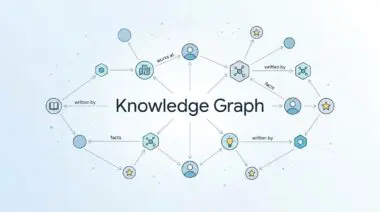
- Effective implementation utilizes structured data (JSON-LD) and topical clustering to build a comprehensive knowledge graph for search engines.
- The methodology enhances visibility in AI-driven search results and Knowledge Panels by providing clear contextual signals and intent matching.
What is Semantic SEO?
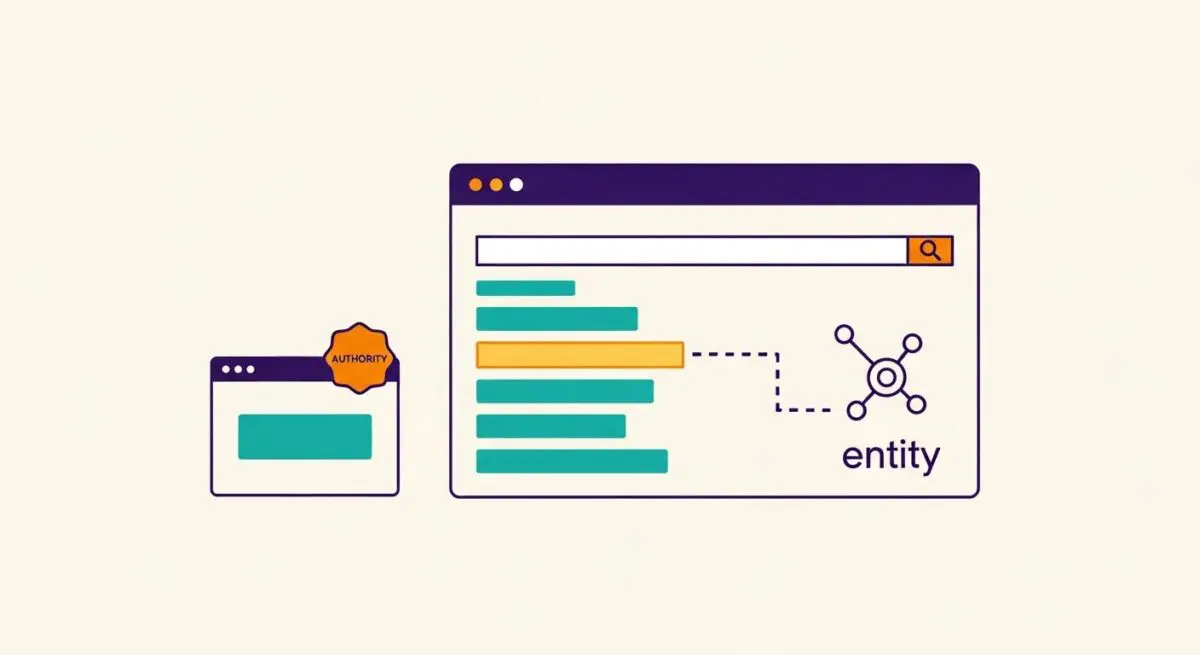
Semantic SEO is the advanced practice of optimizing web content to provide search engines with a deep, contextual understanding of a topic rather than focusing on individual, isolated keywords. This approach leverages Natural Language Processing (NLP) and machine learning to align content with how search engines like Google interpret the meaning, intent, and relationships between entities. By focusing on the semantic field of a subject, we provide the necessary context for algorithms to categorize content within their internal knowledge graphs.
Technically, Semantic SEO involves the strategic use of entity-based optimization, structured data, and comprehensive topical coverage. Instead of merely matching a user’s query string, Semantic SEO seeks to answer the underlying intent by addressing related concepts, synonyms, and subtopics. This ensures that a page is recognized as an authoritative source for a broad subject area, which is essential for ranking in an era dominated by AI-driven search and semantic retrieval.
The Real-World Analogy
Consider a specialized medical library. If the library were organized by traditional keyword SEO, you would only find information on “heart health” if those exact words were on the cover of a book. However, a library organized via Semantic SEO functions like an expert cardiologist. This expert understands that “myocardial infarction,” “cardiovascular system,” “arteries,” and “blood pressure” are all deeply interconnected. Even if you don’t use the word “heart,” the expert knows exactly which resources are relevant because they understand the underlying medical concepts and how they relate to one another.
Why is Semantic SEO Important for SEO?
Semantic SEO is vital because search engines have transitioned from lexical search (matching words) to semantic search (understanding meaning). Since the introduction of the Hummingbird and RankBrain updates, Google has prioritized content that demonstrates topical authority. By utilizing semantic principles, websites can capture a wider array of long-tail queries and appear in rich features such as “People Also Ask” boxes and Knowledge Panels. Furthermore, as search engines move toward Generative AI and Large Language Models (LLMs), providing clear entity-attribute-value triples through structured content is the only way to ensure a brand is recognized as a primary source of truth.
Best Practices & Implementation
- Topical Clustering: Organize content into pillar pages and cluster content. The pillar page provides a high-level overview of a core entity, while cluster pages dive deep into specific sub-entities and related queries, all linked via a logical internal structure.
- Advanced Schema Markup: Utilize JSON-LD to implement specific Schema.org types. Use the
aboutandmentionsproperties to explicitly define the entities discussed on a page, reducing the search engine’s reliance on heuristic interpretation. - Entity-Based Content Gap Analysis: Use technical tools to identify entities and concepts that competitors are covering but you are missing. Ensure your content addresses the full breadth of the semantic field associated with your primary topic.
- Optimizing for User Intent: Analyze the Search Engine Results Pages (SERPs) to determine if the intent is informational, transactional, or navigational. Structure your content to satisfy the specific stage of the user journey identified by the algorithm.
Common Mistakes to Avoid
A frequent error is the over-optimization of synonyms without adding unique value, which search engines may interpret as low-quality content. Another mistake is failing to use internal linking to reinforce the hierarchy of information, which prevents crawlers from understanding the relationship between different pages. Finally, many professionals neglect structured data, missing the opportunity to provide search engines with a machine-readable map of their content’s meaning.
Conclusion
Semantic SEO is the evolution of search optimization, shifting the focus from strings to things. By mastering topical authority and entity relationships, technical SEOs can future-proof their strategies against evolving AI search algorithms.