Executive Summary
- Elimination of the WordPress theme system in favor of a proprietary rendering engine that pulls directly from the database.
- Significant reduction in DOM depth and CSS/JS bloat, leading to superior Core Web Vitals and faster browser paint times.
- Granular control over server-side conditional logic and component-level code execution for optimized resource allocation.
What is Oxygen Builder?
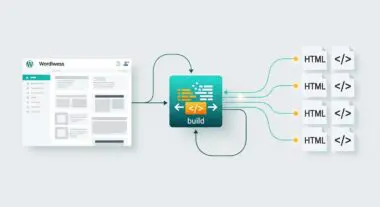
Oxygen Builder is a sophisticated visual site construction tool for WordPress that fundamentally deviates from the standard WordPress theme hierarchy. Unlike traditional page builders that operate within a theme’s constraints, Oxygen completely disables the active theme system. It utilizes a proprietary rendering engine to build the site’s front-end directly from the database, allowing developers to construct layouts using a mix of visual components and raw PHP, HTML, CSS, and JavaScript.
From an architectural perspective, Oxygen functions as a theme builder rather than a page builder. It intercepts the WordPress template redirect process to serve custom-built templates. This approach eliminates the theme bloat typically associated with multi-purpose themes, as it only loads the assets specifically required for the rendered page. This results in a significantly leaner Document Object Model (DOM) and reduced server-side processing requirements.
The Real-World Analogy
Imagine you are building a custom high-performance racing car. A traditional WordPress theme is like buying a luxury SUV and trying to strip away the heavy seats, the roof, and the soundproofing to make it fast; you are always fighting the original frame. Oxygen Builder is like having a professional-grade chassis and a warehouse of raw carbon fiber and engine components. You only add exactly what is needed for speed and structural integrity, ensuring there is not a single ounce of unnecessary weight slowing you down.
How Oxygen Builder Impacts Server Performance & Speed Engineering?
Oxygen Builder significantly enhances server performance by minimizing the execution of the standard WordPress theme engine. By bypassing the theme directory, the server avoids loading thousands of lines of unused CSS and JavaScript often bundled with premium themes. This reduction in resource requests directly improves Time to First Byte (TTFB) and reduces the Total Blocking Time (TBT) during the browser rendering phase.
Furthermore, Oxygen’s output is characterized by a flat HTML structure. Traditional builders often wrap elements in multiple nested div containers, which increases the computational load on the browser’s rendering engine. Oxygen allows for precise control over the HTML tags used, enabling developers to maintain a shallow DOM depth. This optimization is critical for passing Core Web Vitals, specifically Largest Contentful Paint (LCP), as the browser can parse and paint the page more efficiently.
Best Practices & Implementation
- Implement the Conditions Engine: Use server-side logic to dynamically include or exclude elements, preventing unnecessary data transfer for specific user roles or post types.
- Utilize Global Settings: Define typography, colors, and spacing globally to ensure CSS is generated efficiently and can be effectively cached by the server and CDN.
- Leverage Code Blocks: Use the built-in Code Block component for complex logic and custom WP_Query calls to bypass inefficient plugin wrappers and reduce PHP execution time.
- Prioritize Class-Based Styling: Apply styles to classes rather than unique IDs to facilitate CSS reusability and minimize the size of the final CSS payload.
Common Mistakes to Avoid
A frequent error is neglecting the Role Manager, which can allow unauthorized users to modify complex template structures or custom PHP code, creating security and stability risks. Another common mistake is the over-reliance on third-party Oxygen add-on plugins; while tempting, these can reintroduce the bloat and potential security vulnerabilities that the core Oxygen architecture is designed to eliminate.
Conclusion
Oxygen Builder represents a paradigm shift in WordPress development, prioritizing performance and clean code over theme-based constraints. For enterprise-level deployments, it provides the granular control necessary to achieve elite-tier Core Web Vitals and maximum server efficiency.