Executive Summary
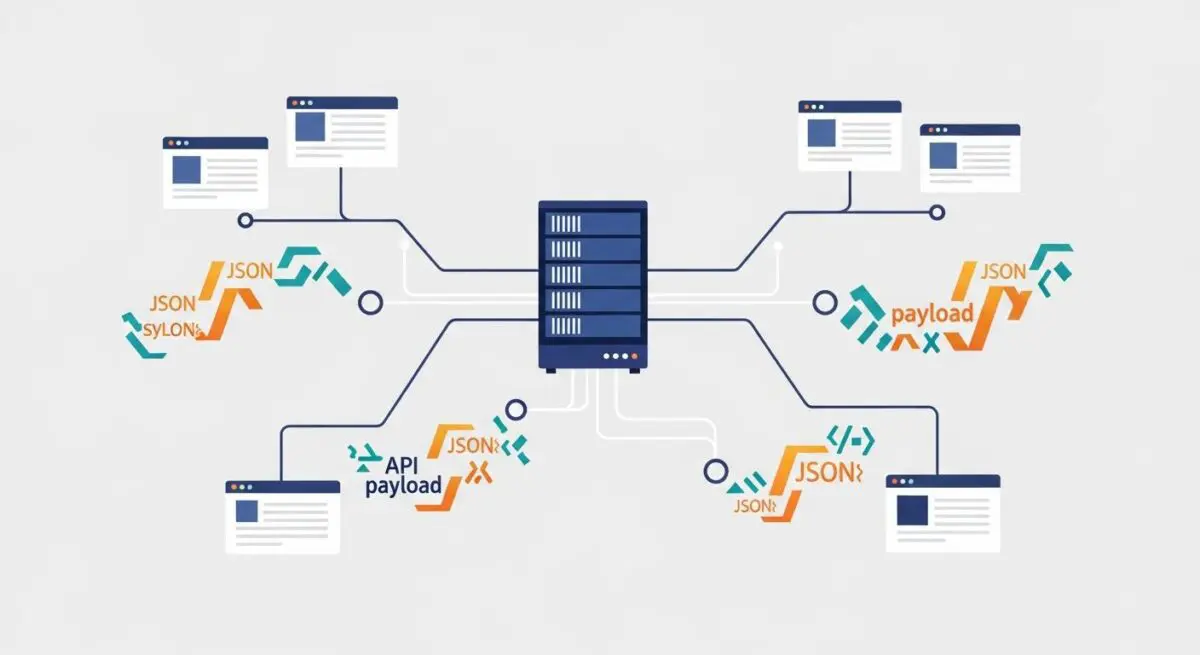
- RESTful Architecture enforces a stateless, client-server communication model using standard HTTP methods to manage WordPress resources.
- It facilitates the decoupling of the presentation layer from the core logic, enabling high-performance headless CMS architectures.
- The uniform interface constraint ensures predictable data structures, reducing integration friction for third-party applications and mobile clients.
What is RESTful Architecture?
RESTful Architecture, or Representational State Transfer, is an architectural style for distributed hypermedia systems first defined by Roy Fielding. In the context of WordPress, this architecture is manifested through the WordPress REST API, which provides an interface for external applications to interact with the WordPress database. It relies on a stateless, client-server communication protocol, typically HTTP, where every request from a client contains all the information necessary for the server to understand and process the request.
At its core, RESTful Architecture is defined by six primary constraints: client-server separation, statelessness, cacheability, a layered system, code on demand (optional), and a uniform interface. For WordPress engineers, this means that resources such as posts, pages, and taxonomies are identified by unique URIs and can be manipulated using standard HTTP verbs: GET (retrieve), POST (create), PUT/PATCH (update), and DELETE (remove). This standardization transforms WordPress from a traditional monolithic CMS into a robust application platform capable of serving data to decoupled frontends, mobile apps, and IoT devices.
The Real-World Analogy
Imagine a high-end restaurant with a standardized menu. You, the customer (the client), do not need to know how the kitchen (the server) is organized or who the chef is. You simply look at the menu (the API documentation) and place an order using a specific name for a dish (the URI). The waiter (the request) takes your order to the kitchen. The kitchen prepares the dish and sends it back to you. Crucially, the kitchen doesn’t need to remember what you ate last week to serve you today; every order is handled independently based strictly on what you requested at that moment. This separation allows the kitchen to change its internal equipment or staff without you ever needing to change how you order from the menu.
How RESTful Architecture Impacts Server Performance & Speed Engineering?
RESTful Architecture significantly alters the performance profile of a WordPress site by shifting the processing burden and optimizing data delivery. By utilizing the REST API, developers can implement Headless WordPress configurations where the server only transmits raw JSON data rather than fully rendered HTML pages. This reduces the payload size and minimizes the server-side CPU cycles required for template rendering and complex PHP execution during the initial request-response cycle.
Furthermore, RESTful systems enhance speed through superior cacheability. Since REST requests are stateless and use standard HTTP methods, responses can be cached at various layers of the infrastructure, including the browser, reverse proxies like Varnish, or Edge CDNs. This allows for Edge Data Delivery, where frequently accessed API endpoints are served from locations geographically closer to the user, drastically reducing Time to First Byte (TTFB). Additionally, by fetching only the specific data fields required (using the _fields parameter), developers can minimize database overhead and network latency, leading to faster Core Web Vitals scores for JavaScript-heavy applications.
Best Practices & Implementation
- Implement Namespace Versioning: Always use versioned namespaces (e.g.,
/wp-json/vendor/v1/) to ensure backward compatibility when updating API logic or data structures. - Optimize with Field Filtering: Use the
_fieldsglobal parameter in your requests to limit the JSON response to only the necessary data points, reducing memory usage and transfer time. - Enforce Robust Authentication: For non-public endpoints, utilize secure authentication methods such as Application Passwords, JWT (JSON Web Tokens), or OAuth2 to prevent unauthorized data exposure.
- Leverage REST API Caching: Use plugins or server-level configurations to cache GET requests to the REST API, preventing redundant database queries for static resource requests.
- Utilize Proper HTTP Status Codes: Ensure your custom endpoints return accurate status codes (e.g., 201 for Created, 404 for Not Found, 500 for Internal Server Error) to facilitate proper error handling in the client application.
Common Mistakes to Avoid
One frequent error is over-fetching, where developers request entire resource objects when only a single attribute is needed, leading to unnecessary database bloat and increased latency. Another critical mistake is failing to secure custom endpoints, which can lead to data leaks or unauthorized modifications of the WordPress database. Finally, many organizations neglect to monitor the performance impact of third-party plugins that register their own REST routes, which can inadvertently increase the server’s attack surface and resource consumption.
Conclusion
RESTful Architecture is the backbone of modern, scalable WordPress development, enabling seamless integration and high-performance data delivery. By adhering to its core constraints, developers can build resilient, decoupled systems that meet the demands of enterprise-level web infrastructure.