



Executive Summary
- Semantic triples represent the fundamental unit of knowledge in RDF frameworks, consisting of a subject, predicate, and object.
- They enable Generative Engines to map relationships between entities with high precision, reducing hallucinations in RAG systems.
- Structuring data into triples facilitates the construction of Knowledge Graphs, which are critical for AI source attribution and authority.
What is Semantic Triples?
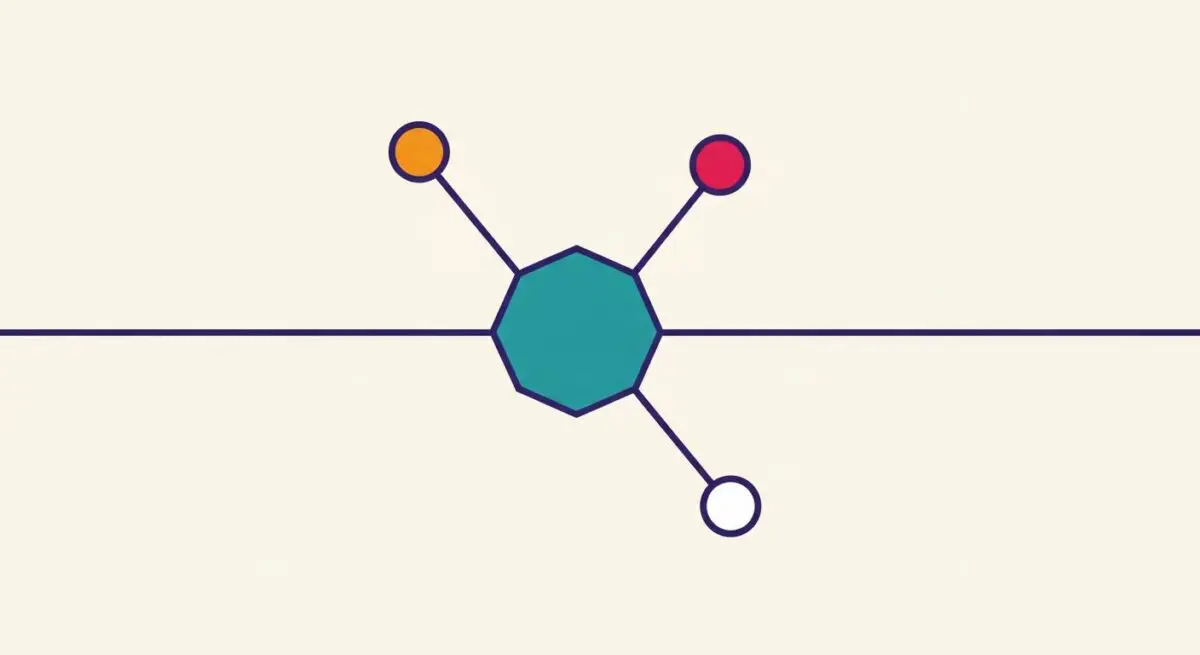
Semantic triples are the atomic building blocks of the Resource Description Framework (RDF) and knowledge representation systems. A triple consists of three components: a subject, a predicate, and an object. This structure (Subject-Predicate-Object) functions as a formal statement of fact, enabling machines to understand the specific relationship between two entities. For example, in the triple “Andres SEO Expert (Subject) – provides (Predicate) – AI Consulting (Object),” the predicate defines the precise nature of the connection between the subject and the object.
In the context of modern Artificial Intelligence, semantic triples allow Large Language Models (LLMs) and Knowledge Graphs to move beyond keyword matching toward true semantic understanding. By decomposing complex information into these discrete, machine-readable units, AI systems can construct vast networks of interconnected data. This structured approach is essential for disambiguating entities and ensuring that generative engines can retrieve and synthesize information with high factual accuracy.
The Real-World Analogy
Think of a semantic triple as a basic sentence in a universal language that every computer understands. Imagine a massive library where books aren’t just stacked on shelves, but are connected by colored strings. A red string might mean “written by,” a blue string might mean “published in,” and a green string might mean “is about.” If you pick up a book (the Subject) and follow a red string (the Predicate), it leads you directly to the author (the Object). This system allows a librarian to answer complex questions instantly without reading every book, simply by following the strings of logic.
Why is Semantic Triples Important for GEO and LLMs?
For Generative Engine Optimization (GEO), semantic triples are critical because they provide the structural framework that LLMs use to verify claims. When an AI agent like Perplexity or ChatGPT processes a query, it relies on underlying knowledge graphs built from triples to ensure source attribution and factual consistency. Content that is easily decomposable into triples has a higher probability of being indexed as a “fact” within these graphs, increasing the brand’s entity authority.
Furthermore, in Retrieval-Augmented Generation (RAG) systems, semantic triples help bridge the gap between unstructured text and structured data. By mapping content to a triple-based format, developers can reduce model hallucinations. When the relationship between a brand and its services is explicitly defined through triples, the AI is less likely to misattribute features or provide incorrect information to the end-user.
Best Practices & Implementation
- Implement Comprehensive Schema Markup: Use JSON-LD to explicitly define relationships between entities on your website, effectively providing search engines with pre-formed semantic triples.
- Maintain Entity Consistency: Ensure that the subject and object in your data remain consistent across all digital touchpoints to prevent ambiguity in the knowledge graph.
- Use Standardized Vocabularies: Leverage established ontologies like Schema.org or Wikidata to ensure your predicates are recognized by global AI systems.
- Optimize for Natural Language Processing (NLP): Write content in clear, declarative sentences that follow a subject-verb-object pattern to facilitate easier extraction of triples by AI crawlers.
Common Mistakes to Avoid
One frequent error is the use of ambiguous predicates, where the relationship between entities is vague or non-standardized, leading to misinterpretation by AI agents. Another common mistake is failing to link entities to external authoritative nodes (like DBpedia or LinkedIn), which prevents the AI from verifying the triple’s validity within the broader web of data.
Conclusion
Semantic triples are the fundamental logic units that power AI’s understanding of the world, making them indispensable for high-level GEO and RAG strategies.