



Executive Summary
- ABX integrates Account-Based Marketing (ABM) with Customer Experience (CX) principles to create a data-driven, account-centric engagement model across the entire lifecycle.
- The framework relies on high-fidelity intent data, predictive analytics, and real-time orchestration to deliver personalized content at the precise moment of buyer readiness.
- Successful implementation requires the elimination of data silos between Sales, Marketing, and Customer Success, supported by a robust MarTech stack and unified attribution models.
What is Account-Based Experience (ABX)?
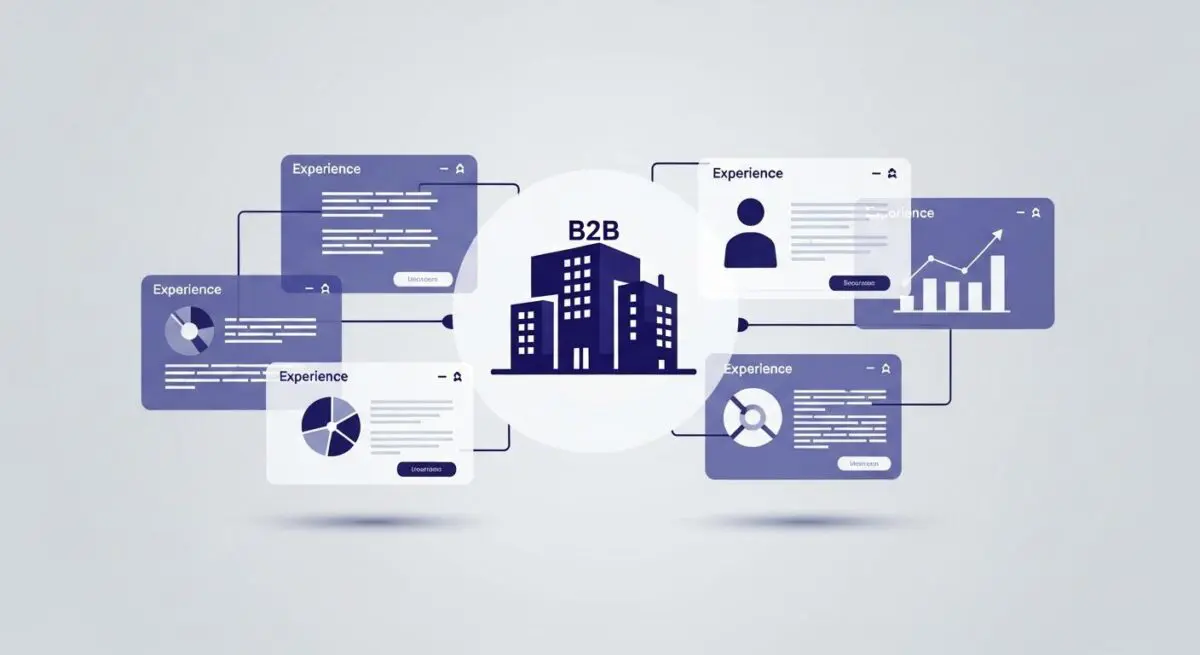
Account-Based Experience (ABX) is a sophisticated, data-centric go-to-market (GTM) strategy that represents the evolution of traditional Account-Based Marketing (ABM). While ABM focuses primarily on identifying and targeting high-value accounts through outbound tactics, ABX incorporates the principles of Customer Experience (CX) to ensure that every interaction is relevant, timely, and value-driven. In a modern MarTech stack, ABX functions as an orchestration layer that synchronizes marketing, sales, and customer success efforts around a unified view of the target account. This approach leverages first-party and third-party intent data to determine not just who to target, but when and how to engage them based on their specific stage in the buyer journey.
Technically, ABX is built upon a foundation of data integration and predictive modeling. It requires a seamless flow of information between Customer Relationship Management (CRM) systems, Marketing Automation Platforms (MAP), and Intent Data providers. By utilizing machine learning algorithms, ABX frameworks can score accounts based on their fit (firmographics), intent (behavioral signals), and engagement (historical interactions). This allows organizations to move away from intrusive, volume-based marketing toward a more surgical, pull-based strategy where content and outreach are dynamically adjusted to meet the account’s current needs. In the context of Search Engine Optimization (SEO) and Generative Engine Optimization (GEO), ABX informs the creation of highly specialized, bottom-of-the-funnel content designed to capture high-intent search traffic from specific enterprise segments.
The Real-World Analogy
To understand Account-Based Experience, consider the difference between a generic automated airport check-in and a high-end concierge service at a five-star boutique hotel. The automated kiosk treats every traveler the same, regardless of their history, preferences, or current needs; this is traditional mass marketing. In contrast, the boutique hotel concierge knows your name before you arrive, understands your dietary restrictions, remembers your preference for a quiet room, and suggests a specific local event that aligns with your interests. The concierge doesn’t just sell you a room; they orchestrate an entire experience based on deep data and real-time context. ABX is that concierge for B2B enterprises, ensuring that the brand interacts with a target account with the same level of precision, relevance, and foresight, transforming a transactional relationship into a strategic partnership.
How Account-Based Experience (ABX) Impacts Marketing ROI & Data Attribution?
The implementation of an ABX framework significantly enhances Marketing ROI by optimizing resource allocation toward accounts with the highest propensity to convert. By focusing on a curated list of high-value targets rather than a broad net of low-quality leads, organizations can drastically reduce their Customer Acquisition Cost (CAC). ABX shifts the focus from lead volume to account engagement depth, which is a more accurate predictor of pipeline velocity and eventual revenue. From a data attribution perspective, ABX necessitates a move toward multi-touch, account-based attribution models. Traditional single-touch models (like first-click or last-click) fail to capture the complexity of a B2B buying committee, where multiple stakeholders interact with various touchpoints over several months.
ABX platforms provide the technical infrastructure to aggregate these disparate signals into a single account-level view. This allows marketing teams to attribute revenue to specific sequences of interactions, such as a technical whitepaper download followed by a personalized LinkedIn ad and a targeted webinar attendance. Furthermore, by aligning sales and marketing under a shared set of metrics—such as Account Engagement Score (AES) and Pipeline Velocity—ABX eliminates the friction often found in lead handoff processes. This alignment ensures that marketing spend is directly correlated with sales activity, leading to higher win rates and larger average contract values (ACV). In the era of AI-driven marketing, ABX also leverages predictive analytics to forecast Lifetime Value (LTV), allowing firms to prioritize accounts that offer long-term strategic growth rather than just short-term gains.
Strategic Implementation & Best Practices
- Unified Data Layer Integration: Establish a single source of truth by integrating CRM, MAP, and data warehouse environments (e.g., Snowflake or BigQuery). Ensure that account-to-lead mapping logic is robust to prevent data fragmentation and ensure that all stakeholder activities are attributed to the correct parent account.
- Dynamic Content Orchestration: Utilize API-driven personalization engines to serve dynamic content on the website and in email campaigns. Content should automatically adjust based on the account’s industry, tech stack, and current stage in the journey, as identified by real-time intent signals.
- Intent-Based Trigger Automation: Configure automated workflows that trigger specific sales or marketing actions when an account crosses a predefined intent threshold. For example, if multiple stakeholders from a target account visit a pricing page and a technical documentation page within 48 hours, the system should automatically alert the assigned Account Executive and initiate a high-touch outreach sequence.
- Cross-Functional KPI Alignment: Move away from MQLs (Marketing Qualified Leads) as a primary metric. Instead, implement shared KPIs such as Account Coverage, Account Awareness, and Target Account Pipeline. This ensures that both sales and marketing are incentivized to provide a cohesive experience rather than chasing individual lead targets.
Common Pitfalls & Strategic Mistakes
One frequent error in ABX implementation is the failure to address data silos, leading to a fragmented experience where marketing sends generic messages while sales is attempting a high-touch approach. Without a unified data layer, the “experience” becomes disjointed and can actually alienate high-value prospects. Another common mistake is over-automation. While technology is essential for scale, ABX requires a human-centric approach for the most critical stages of the journey. Relying solely on automated bots and generic email templates negates the “experience” aspect of ABX, making the brand appear impersonal. Finally, many organizations fail to account for the “Dark Funnel”—the anonymous research stakeholders conduct on third-party sites and social platforms. Ignoring these signals leads to delayed engagement and missed opportunities to influence the buying committee early in their research phase.
Conclusion
Account-Based Experience (ABX) represents the pinnacle of data-driven B2B strategy, merging technical precision with a deep understanding of the customer journey. By orchestrating interactions based on real-time intent and unified account data, enterprises can achieve superior ROI and sustainable competitive advantages in an increasingly complex digital landscape.