




Key Points
- Zero-Latency Deployment: Connecting Google Trends APIs directly to headless CMS platforms cuts landing page deployment time from 4 days to 12 minutes.
- Dynamic GEO-Enrichment: Leveraging Google Maps Places API injects real-time local social proof to prevent programmatic pages from feeling generic.
- Ephemeral SEO Strategy: Managing crawl budget bloat by engineering localized pages to self-destruct or redirect once the targeted search spike subsides.
Table of Contents
The 72-Hour Content Gap
Imagine a freak winter storm hits Austin, Texas. Within minutes, thousands of panicked homeowners are searching for emergency pipe repair services in their specific zip codes.
Traditional marketing teams scramble to draft copy, source local images, and push a landing page live through tedious approval chains. By the time that page clears approvals 72 hours later, the ice has melted and agile competitors have already captured the traffic.
This is the exact operational friction solved by Real-time Programmatic SEO (pSEO) triggered by Search-Volume-to-CMS automation. It completely eliminates the content gap by turning search query spikes into automated publishing triggers.
Data-Backed Conversion Drivers
Market Intelligence & Data
Conversion Lift
According to a 2025 HubSpot Marketing Trends report, hyper-local landing pages outperform generic national landing pages by 42% in conversion-to-lead metrics.
AI-Content Market Size
Statista’s 2026 projections value the global market for AI-driven programmatic content tools at over $15.8 billion as brands automate local outreach.
Average Deployment Speed
A 2026 benchmark study by Make.com found that automated pSEO workflows reduced the average time to deploy a localized campaign from 4 days to just 12 minutes.
Consumer Trust Preference
According to a 2025 BrightLocal survey, 89% of consumers are more likely to trust a brand that displays local-specific information like nearby landmarks or local reviews.
Operational efficiency is no longer a luxury when dealing with localized search intent. By cutting deployment times from days to mere minutes, brands can capture transient search spikes at their absolute peak without manual intervention.
Using programmatic SEO to deploy high-volume localized pages ensures that enterprise teams and local businesses alike can scale their digital footprint instantly. Furthermore, localized data directly impacts consumer confidence, as highlighted by BrightLocal’s annual consumer review survey, which shows buyers demand neighborhood-level relevance before making a purchase decision.
The No-Code and Low-Code Revolution
The technical barrier of connecting complex APIs and database triggers once required a full-stack engineering team. Today, modern automation stacks leverage visual platforms like Make.com or n8n to democratize this process.
These platforms seamlessly connect the Google Trends API or SEMrush Trend-tracking tools directly with headless CMS architectures like Contentful or Hygraph. When a search spike is detected, the workflow instantly drafts the required page structures.
To maintain quality control, tools like Relay.app are integrated into the pipeline to add human-in-the-loop approvals. This ensures AI-generated copy is reviewed before publishing to localized subdomains, blending speed with brand safety.
Marketing and Content Pipelines

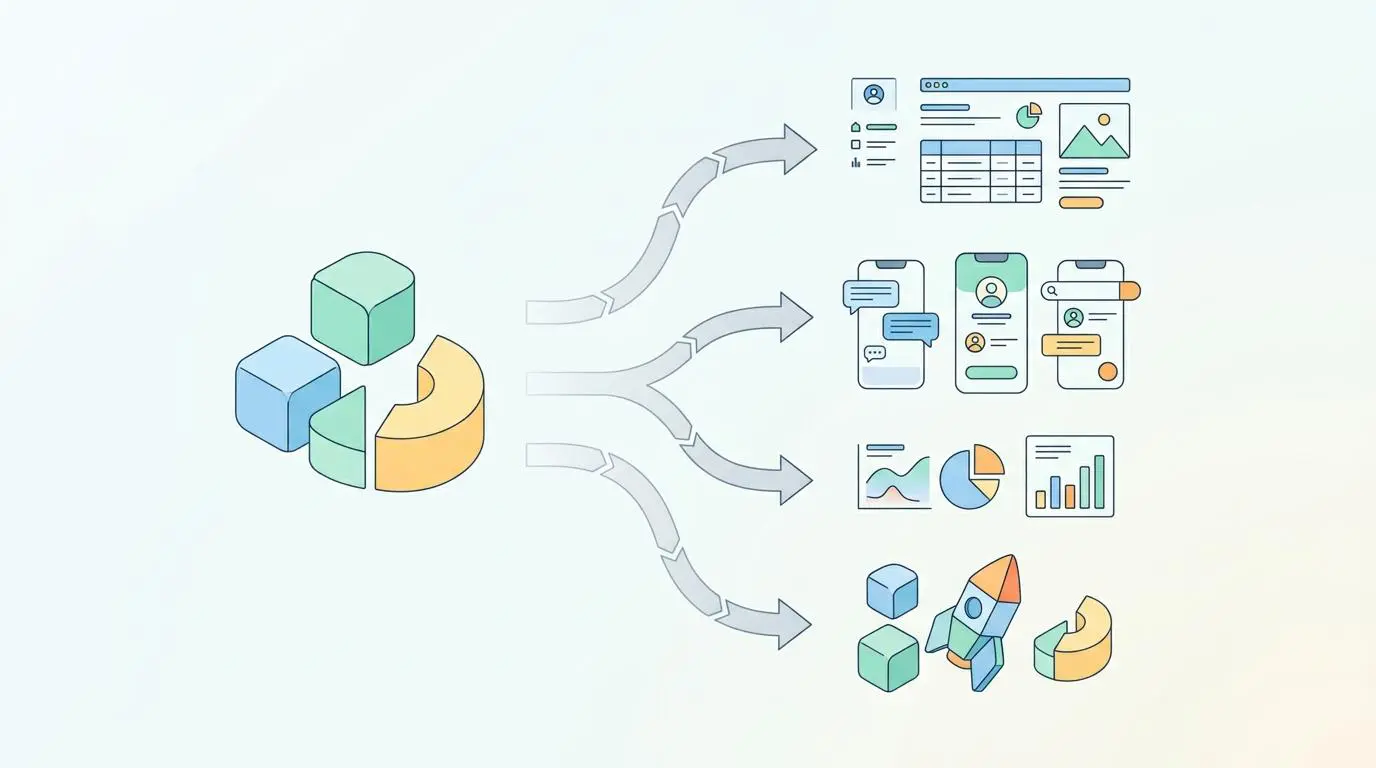
Scaling creative assets across thousands of unique city-level pages without visual degradation is a massive real-world friction point. The solution lies in Modular Component Generation workflows.
Instead of static pages, these workflows use JSON templates that are dynamically injected with real-time city data as the page renders. This allows the layout to adapt instantly to the incoming data payload.
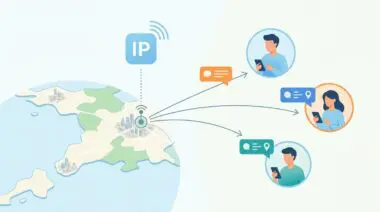
Platforms like Mutiny or Framer allow for dynamic asset injection, automatically swapping out images of local landmarks based on the user’s IP-to-query match. The result is a highly tailored visual experience that requires zero manual design work.
SEO Automation
Generating a page instantly is useless if there is a delay in search engine crawling. If bots do not index the page immediately, it will not appear in SERPs during the search spike’s peak.
Automated workflows now include Instant Indexing triggers via the Google Indexing API and Bing Webmaster Tools. The moment the CMS publishes the page, a ping is sent directly to search engines forcing an immediate crawl.
Furthermore, schema automation focuses on injecting LocalBusiness and Event markup. This markup updates dynamically as search intent shifts from informational to transactional, ensuring maximum visibility in rich snippets.
GEO Automation

One of the biggest challenges in programmatic builds is the Uncanny Valley of local content. Pages often feel like bot-generated templates because they lack specific, nuanced local context.
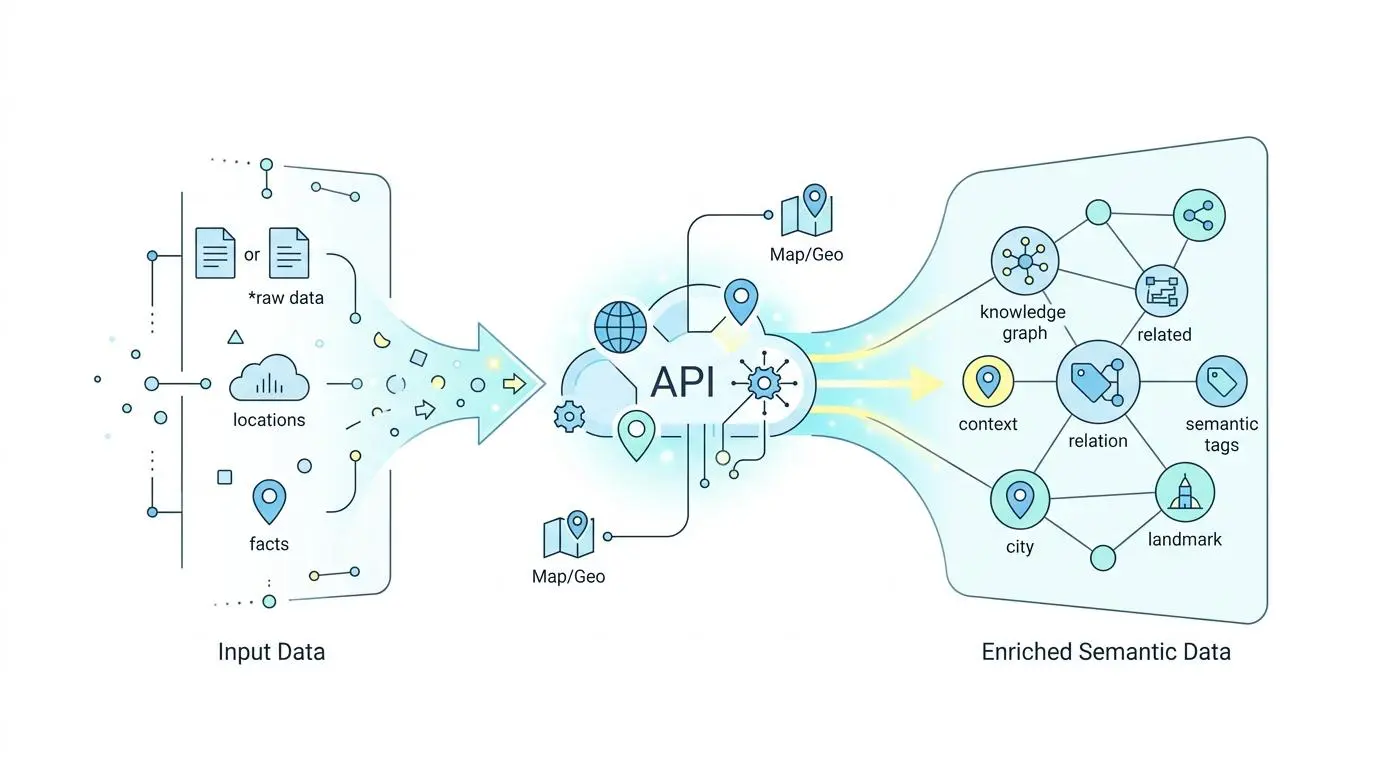
Semantic enrichment via the Google Maps Places API solves this by allowing automation to pull social proof directly into the layout. Nearby local reviews, current business hours, and precise distances are automatically mapped to the landing page.
This ensures the page feels hyper-local and deeply authentic to the resident. By mirroring the immediate physical environment, the brand establishes instant trust.
AI-Agent Integration
Generating non-hallucinated, factually accurate content that addresses the specific reason behind a search spike requires more than basic text generation. It requires contextual awareness.
Autonomous agents, built using frameworks like LangChain or AutoGPT, are deployed to read the live news context of a search spike. They actively browse the web to understand why a query is trending in a specific city.
If a city sees a sudden spike in emergency plumbing, the agent researches local weather data to confirm a freeze. It then writes contextually relevant safety tips into the landing page copy, providing immediate, accurate value to the searcher.
The Future Horizon
Managing the bloat of thousands of temporary pages can severely dilute domain authority over time. As search spikes fade, leaving these pages live creates a massive crawl budget problem.
The shift is moving rapidly toward Ephemeral SEO. These are pages engineered to exist only for the duration of a trend, maximizing short-term traffic capture.
Once search volume drops below a predefined threshold, the automation triggers a self-destruct sequence. The pages are automatically unpublished and 301 redirected to evergreen content, preserving site authority and keeping the architecture perfectly clean.
Predictive Caching and Ephemeral Pages
The market is actively moving toward Predictive pSEO, where AI agents analyze socio-economic and environmental signals to pre-generate landing pages. By tracking predicted storm paths or scheduled regional festivals, systems can cache landing pages before the search spike even occurs.
A recent industry report reveals that Edge-Computed pSEO is now a standard for high-traffic brands. Landing pages are generated directly at the CDN level using Cloudflare Workers, delivering sub-100ms load times for hyper-local queries based on the user’s nearest data center.
Navigating the intersection of technology, workflows, and operational efficiency requires a sharp strategy. To future-proof your business architecture and scale with precision, connect with Andres at Andres SEO Expert.
Frequently Asked Questions
What is the 72-hour content gap in digital marketing?
The 72-hour content gap refers to the operational friction where traditional marketing teams take days to approve and publish content in response to local events. Real-time programmatic SEO (pSEO) eliminates this by using automation triggers to turn search spikes into instant publishing actions.
How does automated programmatic SEO improve local conversion rates?
Automated pSEO utilizes hyper-local landing pages that outperform generic content by providing neighborhood-level relevance. Research shows that local-specific information like nearby landmarks or local reviews can lead to a 42% lift in conversion-to-lead metrics.
What technologies are used in modern pSEO automation stacks?
Modern stacks leverage no-code and low-code platforms like Make.com or n8n to connect search APIs with headless CMS architectures like Contentful or Hygraph. They often include human-in-the-loop tools like Relay.app for quality control before publishing.
What is Ephemeral SEO and how does it protect domain authority?
Ephemeral SEO involves creating temporary pages that exist only during a search trend. Once volume drops, automation triggers a self-destruct sequence that unpublishes the page and 301 redirects it to evergreen content, preventing crawl budget dilution and site bloat.
How do AI agents enhance the accuracy of programmatic content?
Autonomous agents using frameworks like LangChain browse live news and environmental data to understand the reason behind a search spike. This allows them to generate non-hallucinated, contextually relevant content that provides immediate value to the user.
How does semantic enrichment improve consumer trust?
By integrating the Google Maps Places API, automation can pull in social proof such as nearby local reviews and business hours. This ensures the page feels authentic and hyper-local, satisfying the 89% of consumers who prefer brands with neighborhood-level relevance.