Key Points
- Semantic Chunking: Legacy HTML blobs must be replaced with vector-embedded content chunks to survive the high failure rate of naive RAG pipelines.
- Citation Authority: With AI overviews capturing massive search volume, brands must engineer cross-platform corroboration to secure clickable AI citations.
- Bot Intent Routing: As automated requests surpass human traffic, implementing emerging standards like llms.txt is critical to guiding AI crawlers efficiently.
Table of Contents
The Erosion of the Click-Through Contract
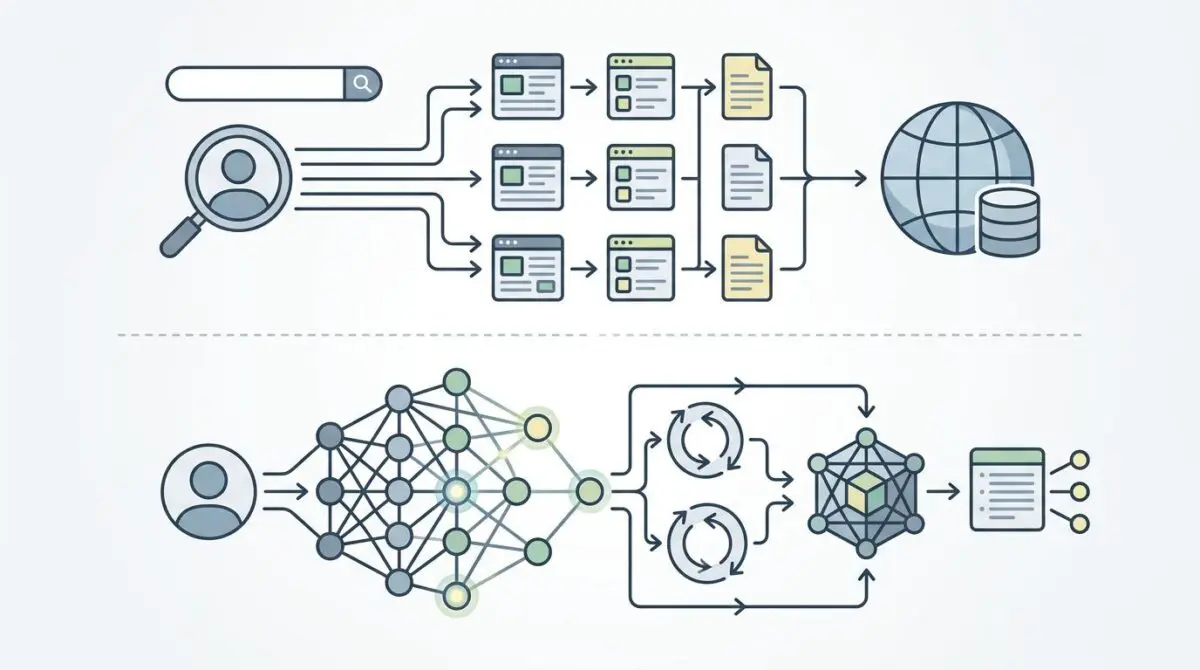
Imagine trying to get a job recommendation, but instead of handing out paper resumes to thousands of strangers, you only need to convince one highly influential personal assistant. That is the exact shift happening right now between traditional search engines and modern AI chatbots. We have moved away from a world of endless blue links into an era of instant, synthesized answers.
For years, the internet operated on a simple agreement known as the click-through contract. You provided valuable information, and in exchange, search engines sent users to your website. Today, Generative Engine Optimization (GEO) is replacing this outdated model.
AI engines now synthesize and serve your value-laden content directly to the user without a direct attribution or referral link. This creates a massive bottleneck for brands relying on old tactics. To survive, you must shift from chasing ranking-based visibility to building citation-weighted authority.
The Data Behind the AI Crawler Takeover
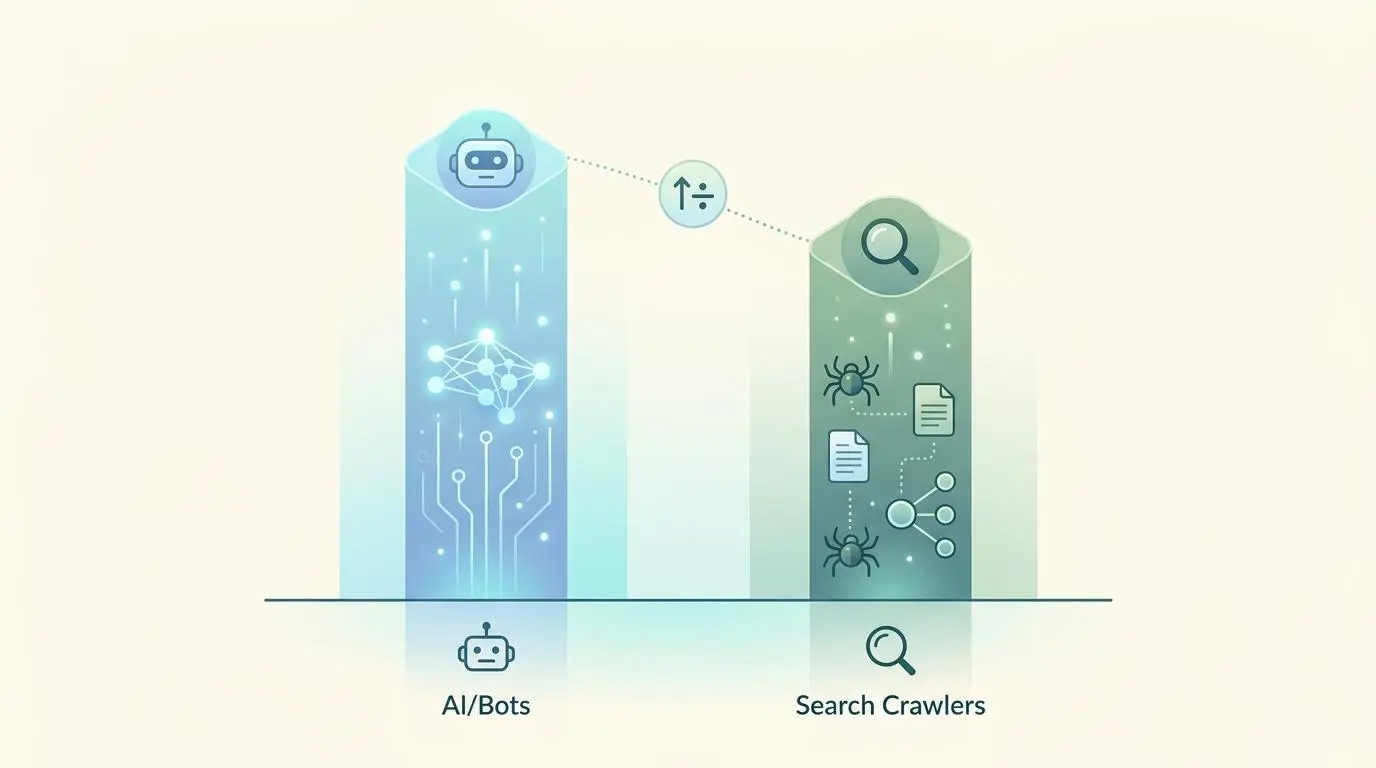
The mechanics of web traffic have fundamentally changed beneath our feet. A structural threshold was crossed on June 3, 2026, when Cloudflare Radar data confirmed that automated requests reached 57.5% of all web traffic. For the first time in history, machines are the primary consumers of the internet’s HTML content.
This shift is heavily skewed toward AI training and retrieval bots. According to the Optimly ‘State of AI Brand Crawling’ report from March 2026, AI-specific bots now send over four times the request volume of traditional search engine crawlers to enterprise sites. This staggering 4.3:1 ratio proves that optimizing for Googlebot alone is no longer sufficient.
However, capturing this AI attention is highly lucrative. Data published in early 2026 reveals that traffic originating from AI-generated citations converts at a 14.2% premium. This means AI referrals convert at five times the rate of traditional organic search traffic, making Generative Engine Optimization (GEO) the most critical revenue driver of the decade.
Conquering AI Overviews and Perplexity
As of mid-2026, AI Overviews trigger on over a quarter of all Google searches. Traditional meta-tags are completely insufficient for this new landscape. Brands are actively losing massive chunks of their organic click-through rates because these overviews synthesize their primary value proposition directly on the results page.
To combat this, your strategy must evolve beyond basic keyword placement. Optimization now requires targeting specific endpoints like the Perplexity API and the Google Search API. You must ensure your content is perfectly structured for high-relevance retrieval.
Think of this process like preparing ingredients for a master chef. If you hand them whole, unpeeled vegetables, they will likely choose someone else’s pre-chopped ingredients to save time. By chunking your content effectively, you make it irresistible to the language models powering these overviews.
Building RAG-Friendly Semantic Architecture

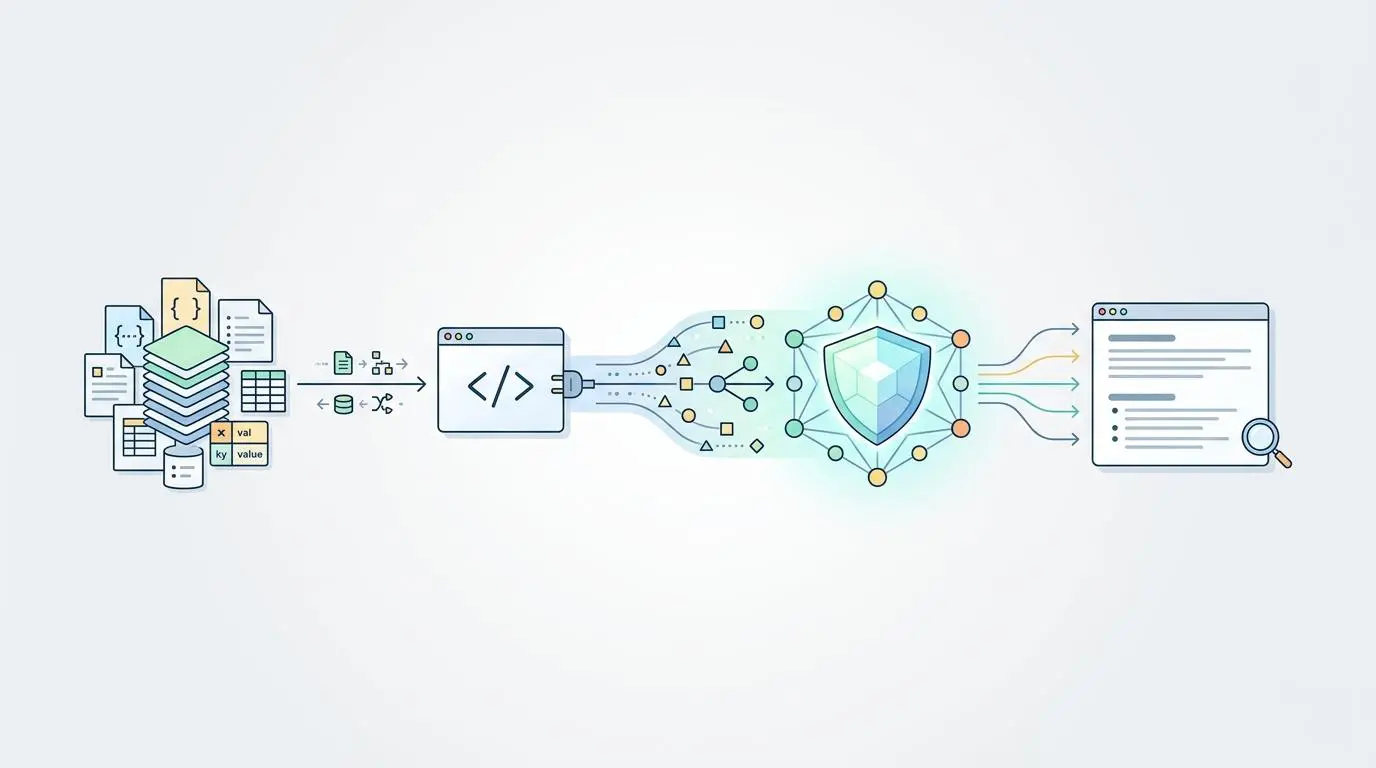
Generative engines are fundamentally built on Retrieval-Augmented Generation pipelines. These systems pull specific facts from a vast database to ground their conversational answers. Unfortunately, naive implementations of these pipelines fail almost half the time.
The root cause of this failure often lies in legacy content management systems. These older architectures produce massive, monolithic HTML blobs. AI crawlers struggle to accurately decompose these giant walls of code into semantically relevant citations.
The solution is semantic chunking via vector embedding models, such as OpenAI’s text-embedding-3-small. By breaking your content into distinct, mathematically related concepts, you allow the AI to extract exactly what it needs with surgical precision.
Mastering Automated Citation Pipelines
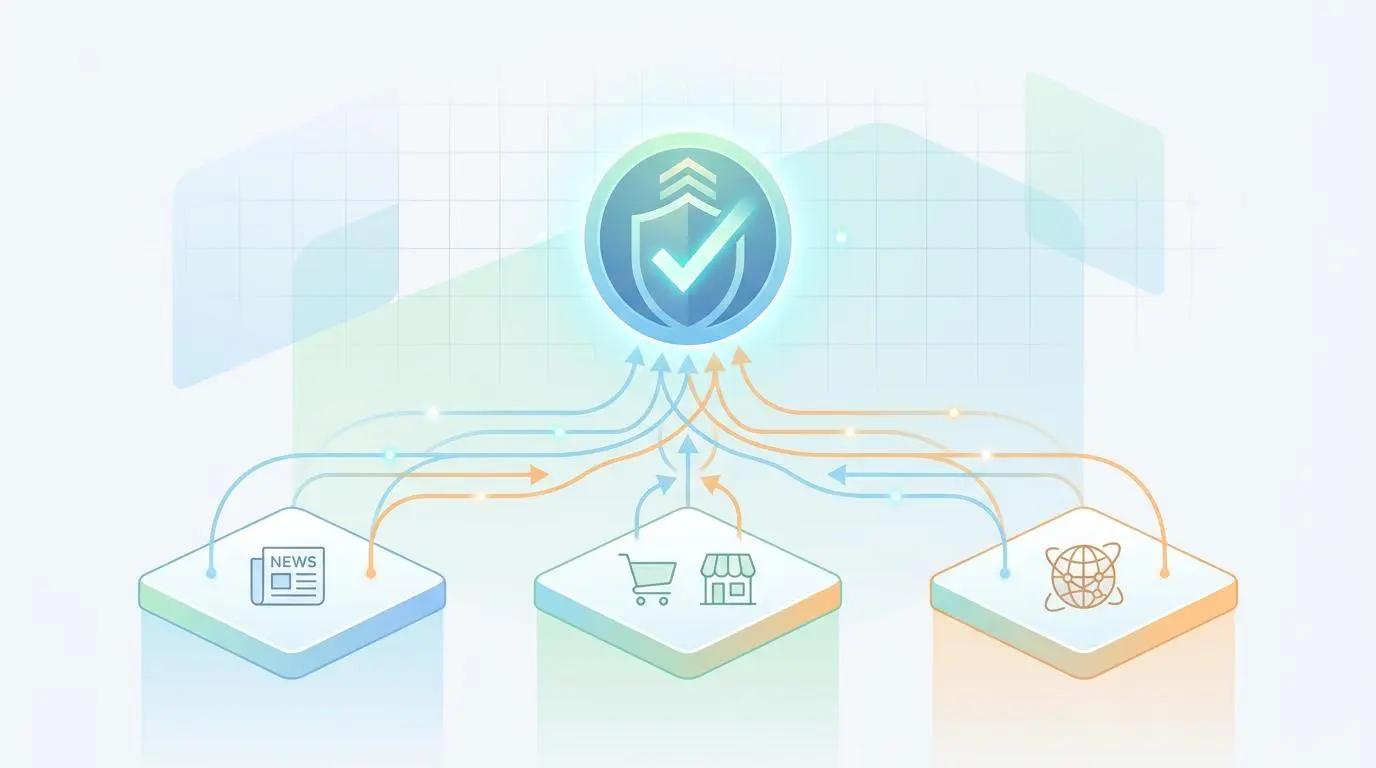
Visibility in the AI era is rapidly becoming a winner-take-most game. Recent indexing data shows that a tiny fraction of top domains capture the vast majority of all AI citation share. This ecosystem is governed by cross-platform corroboration, meaning an AI needs to see your facts verified in multiple trusted places.
Right now, brands are suffering from a massive citation gap. Fewer than thirty percent of AI responses both mention a brand and provide a clickable link to their website. Users might learn about your product, but they have no direct path to actually buy it.
Closing this gap requires engineering your source authority. You must structure your digital footprint so that large language models naturally associate your brand entity with the definitive answer, forcing them to generate that crucial referral link.
Smart Bot Management for Generative Engines
The sheer volume of machine traffic is putting unprecedented strain on server architectures. AI-specific crawlers like GPTBot and ClaudeBot are constantly scouring the web for fresh training data. This drains server-side resources without offering any immediate referral traffic in return.
Architects are now forced to dynamically route traffic based on the specific intent of the bot. You cannot simply block all automated traffic, or you will disappear from AI search engines entirely. Instead, you must manage it intelligently.
Emerging standards like the llms.txt file are becoming essential tools for this task. By clearly defining which assets are crawlable and optimized for language models, you can feed the bots exactly what they need while protecting your server infrastructure.
The Future is Agentic
By 2027, the focus of digital visibility will shift entirely toward Agentic GEO. The objective will no longer be just optimizing content for synthesis and reading. Instead, we will optimize for autonomous AI agents capable of executing complex transactions on behalf of users.
Imagine a user telling their AI assistant to book the best local service, and the AI handles the research, selection, and payment without the user ever visiting a website. Securing your place in these closed ecosystems will be the ultimate test of brand authority.
Navigating the intersection of Generative Engine Optimization, AI Search architecture, and workflow automation requires a sharp strategy. To future-proof your brand’s visibility in LLMs and scale with precision, connect with Andres at Andres SEO Expert.
Frequently Asked Questions
What is Generative Engine Optimization (GEO)?
GEO is a digital strategy focused on optimizing content for synthesis by AI engines rather than traditional search ranking. It shifts the priority from keyword-based visibility to building citation-weighted authority, ensuring that large language models (LLMs) accurately attribute and link to a brand’s data.
Why is AI bot traffic outperforming traditional search crawlers?
By mid-2026, AI-specific bots generated over four times the request volume of traditional search crawlers. This shift indicates that machines are now the primary consumers of web content, primarily for retrieval-augmented generation and AI training purposes.
How do AI-generated citations affect conversion rates?
Traffic originating from AI-generated citations converts at a 14.2% premium, making it five times more effective than traditional organic search traffic. This makes Generative Engine Optimization (GEO) a critical revenue driver for modern brands.
What is semantic chunking in AI content architecture?
Semantic chunking is the process of breaking down large HTML blobs into distinct, mathematically related concepts using vector embedding models. This allows AI engines to extract specific facts with surgical precision for use in conversational answers.
What is the citation gap in AI search results?
The citation gap occurs when AI responses mention a brand but fail to provide a clickable referral link. Currently, fewer than 30% of AI responses include both a brand mention and a direct link, highlighting the need for engineered source authority.
What is Agentic GEO and its role in the future?
Agentic GEO is the optimization of content for autonomous AI agents capable of executing complex transactions. By 2027, brand visibility will depend on being selected by these agents to perform tasks like research, selection, and payment without direct user site visits.