Executive Summary
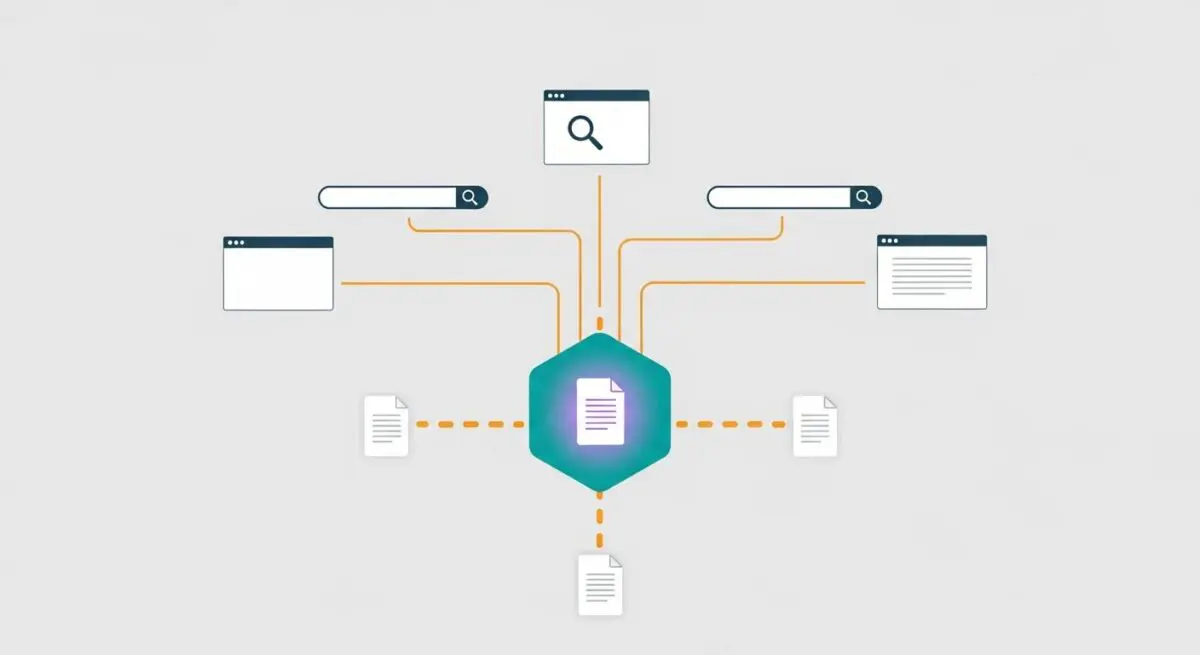
- Semantic meaning represents the shift from lexical string matching to intent-based vector analysis in modern search architectures.
- Large Language Models (LLMs) utilize high-dimensional embeddings to map the relationships between entities, allowing for nuanced context retrieval.
- Optimizing for semantic relevance is the foundation of Generative Engine Optimization (GEO) and AI visibility.
What is Semantic Meaning?
Semantic meaning refers to the interpretation of language based on context, intent, and the relationships between words, rather than the literal dictionary definition of individual terms. In the context of Artificial Intelligence and modern search engines, semantic meaning is operationalized through Natural Language Processing (NLP) and vector embeddings. These technologies transform text into mathematical representations in a high-dimensional space, where the proximity between vectors indicates the degree of conceptual similarity between different pieces of information.
At Andres SEO Expert, we define semantic meaning as the cornerstone of the transition from “strings to things.” Unlike traditional search algorithms that relied on keyword frequency, AI-driven systems analyze the underlying concepts within a query. This allows Large Language Models (LLMs) to understand synonyms, polysemy (words with multiple meanings), and the specific intent behind a user’s prompt, ensuring that the retrieved information is contextually relevant even if it lacks exact keyword matches.
The Real-World Analogy
Imagine a massive, world-class library where books are not organized by their titles or authors, but by the specific ideas and emotions they evoke. If you ask the librarian for a book about “the feeling of returning home after a long journey,” they do not just look for titles containing the word “home.” Instead, they understand the essence of your request and lead you to a section where every book—regardless of its title—explores themes of nostalgia, travel, and belonging. Semantic meaning is that librarian; it understands the intent and the “why” behind your search, not just the literal characters typed into a search bar.
Why is Semantic Meaning Important for GEO and LLMs?
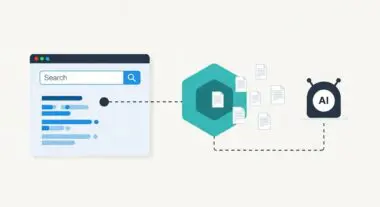
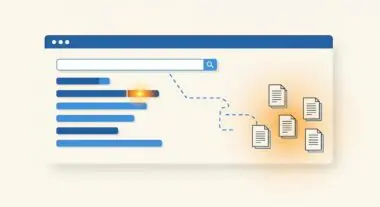
Semantic meaning is the primary filter through which Generative Engines (like Perplexity, ChatGPT, and Gemini) process and retrieve information. For Generative Engine Optimization (GEO), establishing strong semantic signals is vital for source attribution. When an LLM performs Retrieval-Augmented Generation (RAG), it selects content chunks that have the highest cosine similarity to the user’s prompt. If your content lacks clear semantic markers or fails to define its relationship to relevant entities, it will be ignored by the retrieval layer.
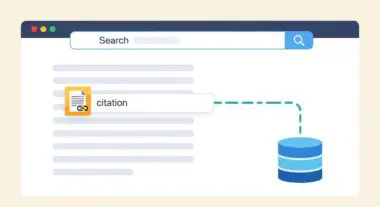
Furthermore, semantic meaning dictates entity authority. AI models categorize brands and websites as “authorities” on specific topics based on the semantic consistency of their content. By aligning your digital assets with the semantic clusters relevant to your industry, you increase the probability of being cited as a primary source in AI-generated responses, directly impacting your visibility in the AI-search ecosystem.
Best Practices & Implementation
- Implement Comprehensive Schema Markup: Use JSON-LD to explicitly define the relationships between entities on your page, providing a clear semantic roadmap for AI crawlers and LLM indexing.
- Focus on Topical Authority: Instead of targeting isolated keywords, create content clusters that cover a subject in its entirety, reinforcing the semantic depth and breadth of your domain.
- Optimize for Natural Language: Structure content to answer complex, multi-part questions that reflect how users actually interact with conversational AI and voice search.
- Utilize Entity-Based Writing: Ensure that your content mentions related concepts and industry-standard terminology to help LLMs place your information within the correct high-dimensional vector space.
Common Mistakes to Avoid
One frequent error is the continued reliance on keyword density, which can lead to “keyword stuffing” that obscures the actual semantic intent of the content. Another mistake is failing to provide context for ambiguous terms, making it difficult for AI models to categorize the information accurately. Lastly, many brands ignore the importance of internal linking structures that semantically connect related topics, which weakens the overall topical relevance of the site for RAG systems.
Conclusion
Semantic meaning is the fundamental bridge between human intent and machine understanding. Mastering its application is essential for any technical SEO strategy aiming for dominance in the era of generative search.