Executive Summary
- CCPA establishes a legal framework for data transparency, granting California residents specific rights to access, delete, and opt-out of the sale or sharing of their personal information.
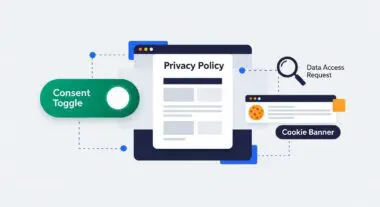
- Technical implementation requires the deployment of Consent Management Platforms (CMPs), automated Data Subject Access Request (DSAR) workflows, and Global Privacy Control (GPC) signal processing.
- Failure to maintain compliance results in significant statutory damages and compromises the integrity of first-party data utilized in programmatic advertising and attribution modeling.
What is CCPA Compliance?
CCPA Compliance refers to the technical and legal adherence to the California Consumer Privacy Act, a comprehensive data privacy statute that regulates how businesses collect, process, and store the personal information (PI) of California residents. In the context of a modern MarTech stack, CCPA compliance is not merely a legal checkbox but a fundamental architectural requirement. It necessitates a deep integration between data governance frameworks and marketing automation tools to ensure that consumer data is handled with transparency and accountability. The act was further enhanced by the California Privacy Rights Act (CPRA), which introduced stricter requirements for sensitive personal information and established the California Privacy Protection Agency (CPPA).
From a technical perspective, CCPA compliance involves the implementation of mechanisms that allow users to exercise their rights, such as the Right to Know, the Right to Delete, and the Right to Opt-Out of the sale or sharing of their data. This requires robust data mapping to identify where PI resides across various silos—including CRMs, CDPs, and third-party analytics platforms. For SEO and digital marketing professionals, CCPA compliance dictates how tracking pixels, cookies, and server-side tagging are deployed, ensuring that data collection only occurs within the boundaries of consumer consent and statutory limitations.
The Real-World Analogy
To understand CCPA compliance, imagine a high-end digital safety deposit box service provided by a bank. When a customer (the consumer) deposits their valuables (personal data) into the bank (the business), the bank is legally obligated to provide a detailed inventory of what is being held upon request. The customer retains the ‘master key’ to that box. If the customer decides they no longer want the bank to hold their items, the bank must securely dispose of them. Furthermore, if the bank intends to show those items to a third-party collector or sell access to the inventory list, they must provide a clear ‘exit door’ (the Opt-Out link) that the customer can use to stop that transaction immediately. CCPA compliance is the set of security protocols and ledger entries that ensure the bank never loses track of who owns the key and who has permission to look inside.
How CCPA Compliance Impacts Marketing ROI & Data Attribution?
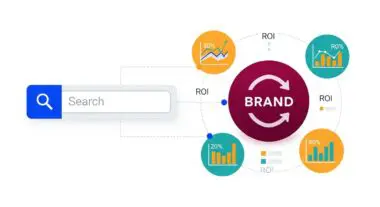
CCPA compliance significantly alters the landscape of data attribution and marketing ROI by shifting the focus from third-party data reliance to first-party data excellence. When consumers opt-out of data sharing, traditional tracking mechanisms—such as cross-site cookies—become restricted. This creates ‘dark patches’ in the customer journey, making linear attribution models less accurate. To maintain high ROI, marketing teams must pivot toward privacy-centric measurement techniques, such as Conversion Modeling and Marketing Mix Modeling (MMM), which use aggregated and anonymized data to estimate performance without infringing on individual privacy.
Furthermore, CCPA compliance impacts the Cost Per Acquisition (CPA) by necessitating higher quality, consent-based data. While the volume of trackable users may decrease, the data that remains is often more reliable and indicative of high-intent consumers. Brands that prioritize transparent data practices often see an increase in brand trust, which correlates with higher Customer Lifetime Value (LTV). Conversely, non-compliance introduces massive financial risks, including statutory damages of up to $7,500 per intentional violation, which can instantly negate any gains made through aggressive, non-compliant data harvesting strategies.
Strategic Implementation & Best Practices
- Deploy a Robust Consent Management Platform (CMP): Implement a CMP that supports Global Privacy Control (GPC) signals, allowing the browser to automatically communicate the user’s privacy preferences to your web infrastructure without requiring manual interaction.
- Automate DSAR Workflows: Use API-driven solutions to automate the fulfillment of Data Subject Access Requests. Manually searching for user data across multiple platforms is inefficient and prone to error; automation ensures that deletion and access requests are handled within the 45-day legal window.
- Execute Comprehensive Data Mapping: Conduct regular audits of your data ecosystem to identify ‘shadow IT’—unauthorized tools or scripts that may be collecting PI without being integrated into your primary compliance framework.
- Update Service Provider Agreements: Ensure that all third-party vendors are contractually classified as ‘Service Providers’ under CCPA, which restricts their ability to use your data for their own purposes, thereby mitigating the risk of ‘selling’ data inadvertently.
Common Pitfalls & Strategic Mistakes
One of the most frequent errors enterprise brands make is failing to recognize the broad definition of ‘selling’ or ‘sharing’ under CCPA. Many organizations believe that because they do not exchange data for money, they are exempt; however, the transfer of PI for cross-contextual behavioral advertising is often classified as ‘sharing,’ requiring a ‘Do Not Sell or Share My Personal Information’ link. Another common pitfall is the lack of synchronization between the front-end consent banner and the back-end data processing layers. If a user opts out on the website, but the CRM or CDP continues to sync that data to an ad platform via server-side API, the organization is in direct violation of CCPA.
Conclusion
CCPA compliance is a critical pillar of modern data-driven marketing that requires a sophisticated blend of legal oversight and technical precision. By mastering consent management and first-party data governance, organizations can mitigate regulatory risk while building a more resilient and trustworthy marketing architecture.