Executive Summary
- Third-party data facilitates large-scale audience targeting by aggregating behavioral and demographic signals from external providers.
- The utility of this data is currently undergoing a paradigm shift due to the deprecation of third-party cookies and heightened privacy regulations.
- Strategic integration requires rigorous vetting of data provenance to ensure compliance and maintain the integrity of programmatic advertising workflows.
What is Third-Party Data?
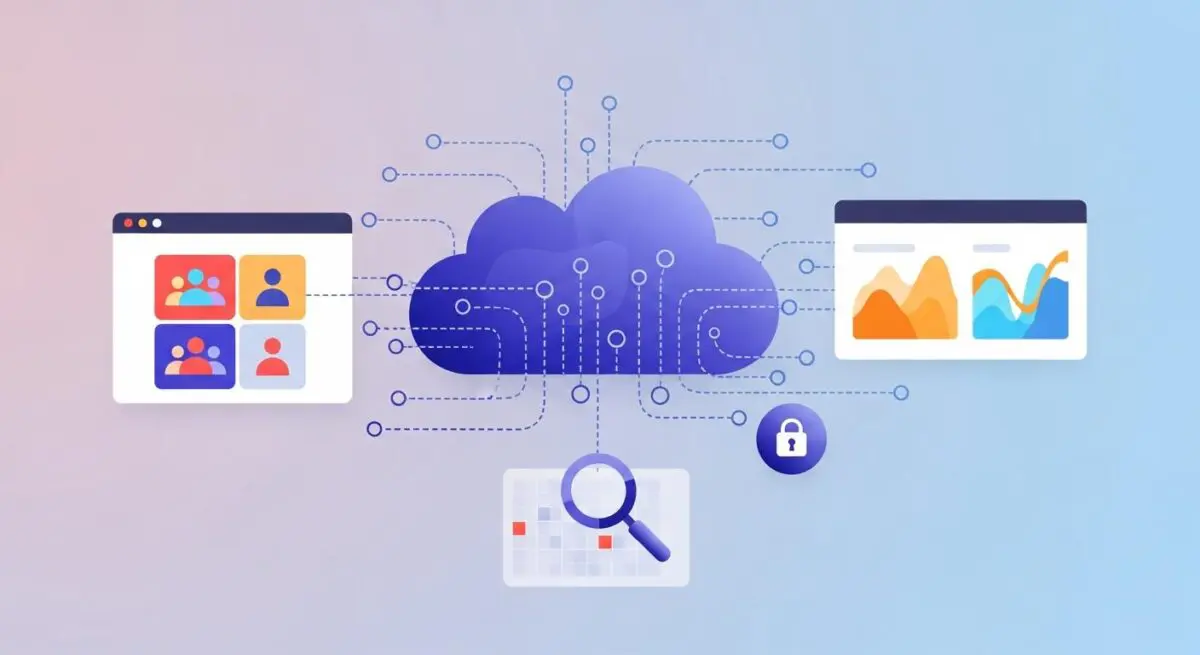
Third-party data refers to any information collected by an entity—typically a data aggregator or broker—that does not have a direct relationship with the user whose data is being gathered. Unlike first-party data, which is sourced directly from a brand’s own audience, third-party data is compiled from various websites, platforms, and offline sources, then segmented based on demographics, interests, or behaviors. In the MarTech ecosystem, this data is primarily utilized within Data Management Platforms (DMPs) and Demand-Side Platforms (DSPs) to facilitate programmatic advertising and audience expansion.
Technically, third-party data is often synchronized via third-party cookies or universal identifiers. It allows marketers to reach lookalike audiences—users who exhibit similar characteristics to a brand’s existing customers but have not yet interacted with the brand. While it offers unparalleled scale, its accuracy and longevity are subject to the quality of the aggregator’s collection methods and the increasing technical restrictions imposed by browser vendors and operating system developers.
The Real-World Analogy
Consider a large-scale commercial real estate developer looking for new tenants. First-party data is their own list of previous clients. Third-party data is like purchasing a massive, categorized directory from a global business intelligence firm that lists every company in the country by revenue, industry, and current lease expiration. While the developer does not know these companies personally, the directory provides the necessary scale to identify thousands of potential leads that would be impossible to find through their own internal records alone.
How Third-Party Data Impacts Marketing ROI & Data Attribution?
Third-party data significantly influences Marketing ROI by enabling precise top-of-funnel targeting, which reduces wasted ad spend on irrelevant audiences. By leveraging external behavioral signals, brands can optimize their Customer Acquisition Cost (CAC) through more efficient programmatic bidding. However, the reliance on third-party signals complicates data attribution. As privacy-centric updates (such as Apple’s App Tracking Transparency) limit the transmission of these signals, marketers face signal loss, leading to fragmented conversion paths and less reliable multi-touch attribution models.
To maintain data integrity, modern marketing architectures are shifting toward hybrid models. These models use third-party data for initial reach while prioritizing first-party data for conversion and retention. This strategic balance ensures that while the top of the funnel remains broad, the bottom of the funnel is anchored in high-fidelity, compliant data, thereby protecting the long-term Lifetime Value (LTV) projections and attribution accuracy.
Strategic Implementation & Best Practices
- Audit Data Provenance: Ensure all third-party data providers adhere to strict consent management frameworks to mitigate legal risks associated with GDPR, CCPA, and DMA.
- Leverage Data Clean Rooms: Utilize secure environments to join third-party datasets with internal first-party data without exposing personally identifiable information (PII).
- Prioritize Lookalike Modeling: Use third-party segments as seed data for machine learning models to identify high-probability prospects across programmatic exchanges.
- Monitor Data Decay: Regularly evaluate the recency of third-party segments, as behavioral data can lose its predictive value within 30 to 90 days.
Common Pitfalls & Strategic Mistakes
A frequent enterprise error is the over-reliance on third-party data for mid-to-lower funnel activities, where first-party data is significantly more effective. Another critical mistake is failing to account for data dilution, where the same audience segments are sold to multiple competitors, leading to saturated markets and inflated bid prices. Finally, many organizations neglect to verify the transparency of the data collection methods, risking brand reputation and regulatory penalties.
Conclusion
Third-party data remains a vital component for achieving marketing scale, provided it is integrated within a privacy-first framework that prioritizes data hygiene and regulatory compliance.