Executive Summary
- Enables proactive content negotiation by sharing device-specific metadata via HTTP request headers.
- Reduces reliance on the legacy User-Agent string, improving privacy and reducing parsing overhead.
- Directly optimizes Core Web Vitals, specifically Largest Contentful Paint (LCP), through precise resource selection.
What is Client Hints?
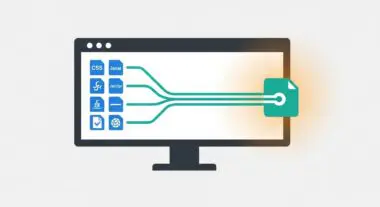
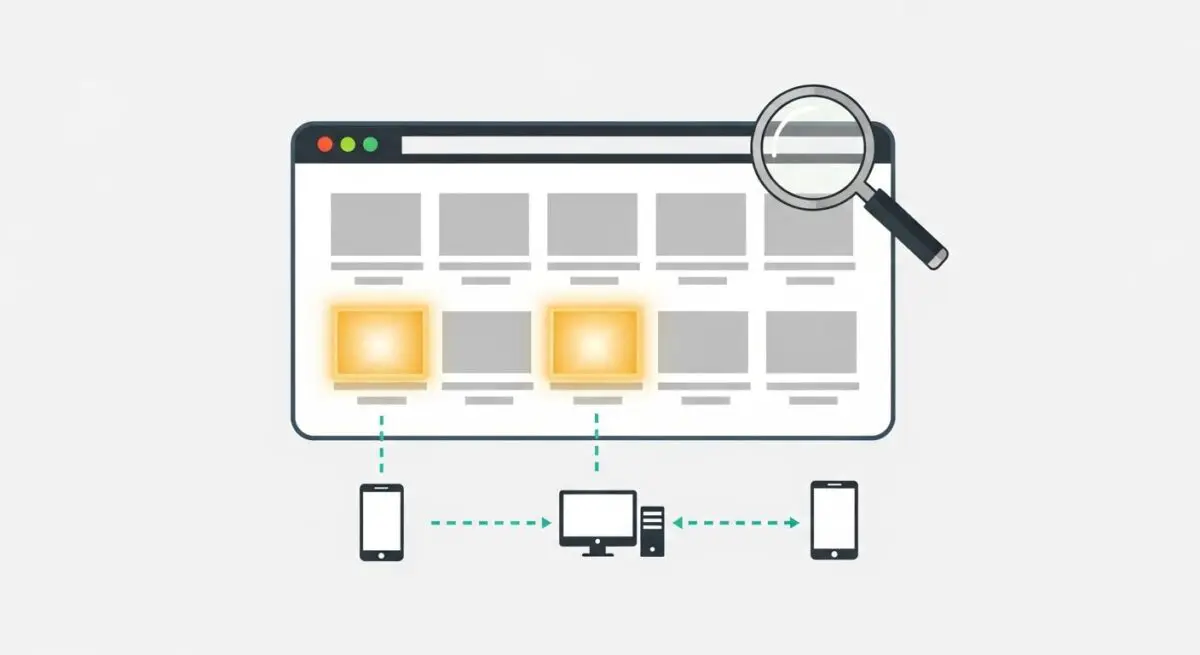
Client Hints are a set of HTTP request headers that allow a web browser to proactively share device-specific information and network conditions with a server. This mechanism, primarily defined under the User-Agent Client Hints (UA-CH) specification, enables the server to make informed decisions about the content it delivers before the response is generated. Unlike the legacy User-Agent string, which is often bloated and difficult to parse, Client Hints provide granular data such as Device Pixel Ratio (DPR), viewport width, and preferred color scheme in a structured format.
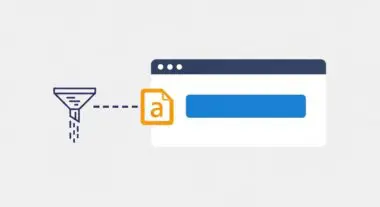
By utilizing the Accept-CH header, a server can request specific hints from the client. This creates a high-performance negotiation loop where the server only receives the data it needs to optimize the delivery of assets like images, CSS, and JavaScript. This shift is part of a broader industry move toward privacy-centric initiatives, reducing the fingerprinting surface area while maintaining the ability to deliver high-performance, responsive web experiences.
The Real-World Analogy
Imagine you are calling a bespoke furniture maker to order a desk. In a traditional scenario, you send a long, confusing letter describing your entire house and every tool you own, hoping the maker figures out the desk size you need. With Client Hints, the furniture maker sends you a quick checklist asking only for the specific dimensions of your office and your preferred wood type. You provide exactly those details, and they deliver a desk that fits perfectly on the first try, without any wasted materials or unnecessary back-and-forth.
Why is Client Hints Critical for Website Performance and Speed Engineering?
Client Hints are a cornerstone of modern speed engineering because they solve the “one-size-fits-all” delivery problem at the protocol level. From a Core Web Vitals perspective, they primarily impact Largest Contentful Paint (LCP). By knowing the user’s viewport width and DPR server-side, the infrastructure can serve a perfectly scaled WebP or AVIF image immediately, rather than relying on client-side JavaScript or complex CSS media queries to swap sources after the initial HTML is parsed.
Furthermore, Client Hints enhance Edge Caching efficiency. When integrated with a CDN, hints allow the edge node to serve different versions of a resource from the cache based on the device’s capabilities. This reduces the Time to First Byte (TTFB) for optimized assets and significantly lowers the total payload size, which is critical for users on constrained mobile networks.
Best Practices & Implementation
- Implement the Accept-CH Header: Configure your origin server or CDN to emit the
Accept-CHheader, specifying the hints required, such asDPR,Viewport-Width, andDevice-Memory. - Utilize Critical-CH: For first-visit performance, use the
Critical-CHheader to force a retry of the initial request when essential hints are missing, ensuring the very first paint is optimized. - Configure Vary Headers: Ensure your caching layer includes
Vary: Sec-CH-DPRor similar to prevent the wrong asset versions from being served to different device types. - Delegate via Permissions-Policy: If using third-party services for image optimization, use the
Permissions-Policyheader to delegate Client Hints to those specific domains.
Common Mistakes to Avoid
One frequent error is failing to provide a secure context; Client Hints are only transmitted over HTTPS, and attempting to use them on insecure connections will result in the browser defaulting to standard headers. Another mistake is over-requesting hints, which can increase request header bloat and potentially trigger privacy-related throttling in modern browsers. Finally, many developers forget to update their Vary logic, leading to cache poisoning where a mobile-optimized resource is served to a desktop user.
Conclusion
Client Hints represent the evolution of content negotiation, moving away from brittle string parsing toward a structured, privacy-conscious, and performance-first methodology for resource delivery.