Executive Summary
- The origin server serves as the authoritative source of truth, hosting the master versions of all web assets and application data.
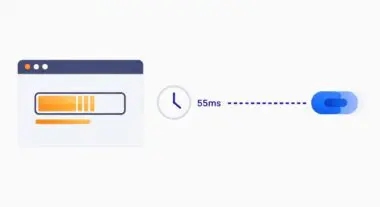
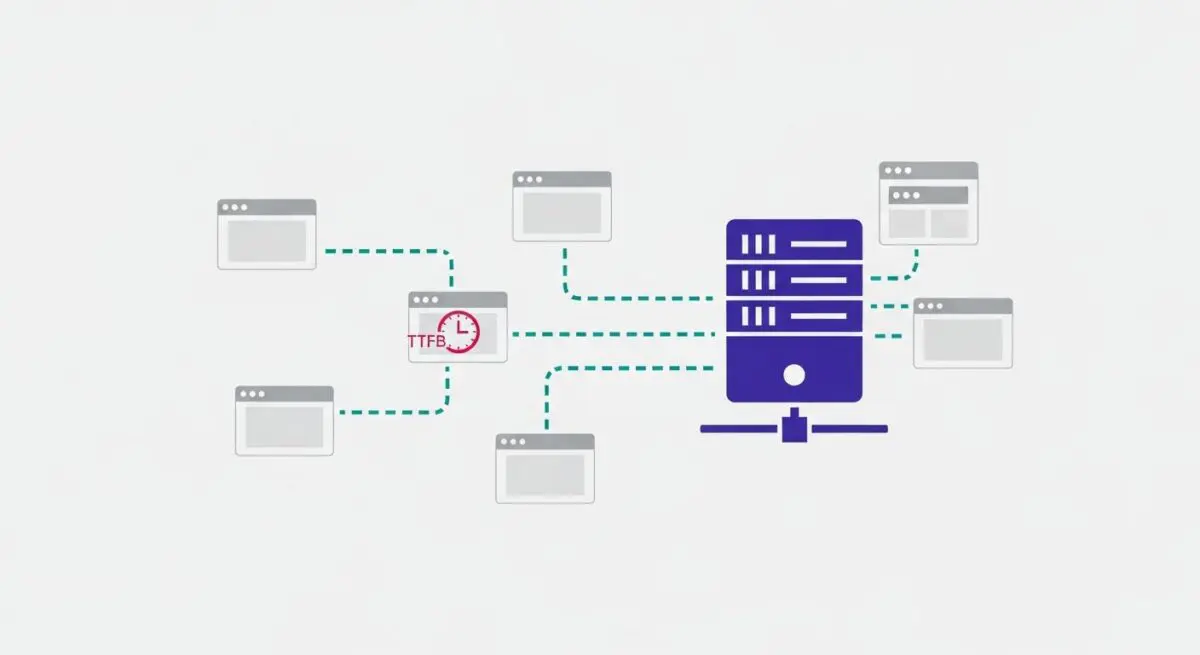
- Origin performance directly dictates the Time to First Byte (TTFB) for non-cached requests and dynamic content generation.
- Strategic optimization of the origin environment is essential for maintaining high availability and supporting efficient CDN operations.
What is Origin Server?
An origin server is a physical or virtual computer that houses the original, authoritative version of a website’s files, including HTML documents, CSS stylesheets, JavaScript files, and media assets. In a standard web architecture, when a user requests a page, the request is ideally fulfilled by a Content Delivery Network (CDN) or an edge cache. However, if the requested content is not available at the edge (a “cache miss”) or if the content is dynamic and requires real-time processing, the request must travel back to the origin server.
The origin server is responsible for executing server-side logic, such as PHP, Node.js, or Python scripts, and interacting with databases to retrieve or update information. Unlike edge servers, which are distributed globally to reduce physical distance to the user, the origin server is typically located in a centralized data center. Its primary role is to ensure data integrity and provide the definitive response that edge caches will subsequently store and distribute to other users.
The Real-World Analogy
To understand the relationship between an origin server and a CDN, imagine a global newspaper distribution system. The origin server is the central printing press and editorial office where the master copy of the newspaper is created and printed. The CDN edge servers are like local newsstands in different cities. Most people get their news from the local stand because it is closer and faster. However, if a newsstand runs out of copies or if a customer asks for a rare, archived edition that isn’t kept locally, the newsstand must call the central printing press to have a new copy sent over. If the central press is slow or disorganized, every newsstand in the world will eventually face delays in serving their customers.
Why is Origin Server Critical for Website Performance and Speed Engineering?
While CDNs are vital for reducing latency, the origin server remains the foundation of website speed. If the origin server is poorly optimized, it creates a performance bottleneck that no amount of edge caching can fully resolve. This is particularly evident in Time to First Byte (TTFB), a critical metric that measures the delay between a request and the start of the server’s response. High origin latency directly inflates TTFB, which in turn delays the browser’s ability to begin parsing the document and discovering critical resources.
Furthermore, for modern web applications that rely heavily on personalized content, real-time data, or authenticated sessions, caching is often impossible. In these scenarios, every single user interaction depends on the origin server’s processing speed. If the origin is slow to execute database queries or render templates, the Largest Contentful Paint (LCP) and other Core Web Vitals will suffer, leading to poor user experience and diminished search engine rankings in the AI-Search and GEO era.
Best Practices & Implementation
- Optimize Database Queries: Implement indexing, query caching, and database normalization to ensure that the origin server can retrieve data with minimal latency.
- Implement Hardware Scaling: Utilize vertical scaling (increasing CPU/RAM) or horizontal scaling (load balancing across multiple origin instances) to handle concurrent requests without performance degradation.
- Enable Keep-Alive and HTTP/2+: Maintain persistent connections between the CDN and the origin server to eliminate the overhead of repeated TCP and TLS handshakes.
- Configure Efficient Cache-Control Headers: Use precise Cache-Control and ETag headers to ensure the origin only processes requests when content has actually changed, reducing unnecessary load.
- Utilize Gzip or Brotli Compression: Ensure the origin server compresses assets before transmission to reduce the payload size and speed up the transfer to the edge or the end-user.
Common Mistakes to Avoid
One frequent error is under-provisioning origin resources, assuming that a CDN will “mask” any underlying server weaknesses. This leads to catastrophic failures during traffic spikes when cache hit rates fluctuate. Another mistake is failing to optimize the server-side software stack, such as running outdated versions of PHP or unoptimized web server configurations (e.g., Apache vs. Nginx). Finally, many organizations neglect the physical location of their origin server relative to their primary user base or their CDN’s main ingest points, resulting in avoidable network latency.
Conclusion
The origin server is the technical bedrock of any high-performance web architecture. By prioritizing origin-side optimization and reducing processing latency, engineers ensure a fast, reliable foundation that maximizes the effectiveness of edge computing and global content delivery.