
Key Points
- Telemetry Integration: Cloudflare Workers utilize persistent state and the fetch API to rewrite directives based on real-time origin CPU loads.
- WAF Backstopping: Aggressive LLM crawlers frequently ignore dynamic exclusion rules, requiring edge-side Managed Challenges to enforce compliance.
- State Caching: High-frequency polling of monitoring APIs necessitates Workers KV to cache server health states and prevent rate-limiting.
Table of Contents
The Static Directive Paradox
Picture this: your origin server is humming along at a comfortable twenty percent CPU utilization. Suddenly, a volumetric spike of concurrent LLM training crawlers hits your infrastructure like a tidal wave. Within minutes, your database connections are completely exhausted. Your server crashes under the immense weight of the automated requests. Googlebot arrives for its scheduled crawl and receives a cascade of 503 Service Unavailable errors.
This scenario perfectly illustrates the static robots.txt paradox. Traditional directives are architecturally rigid text files sitting passively on your server. They operate like a traffic cop who goes on a coffee break during rush hour. These static files cannot react to real-time origin resource exhaustion caused by the massive 2026 surge in AI crawlers.
This architectural rigidity leads to catastrophic unintentional de-indexing during volumetric bot spikes. The ultimate architectural solution to this modern infrastructure crisis is Edge-Based Adaptive Crawl Budgeting. By moving the routing logic away from the origin and up to the CDN level, we can dynamically shape and throttle traffic before it ever touches your vulnerable database. This approach transforms a passive text file into an active, intelligent defense mechanism.
The New Traffic Reality
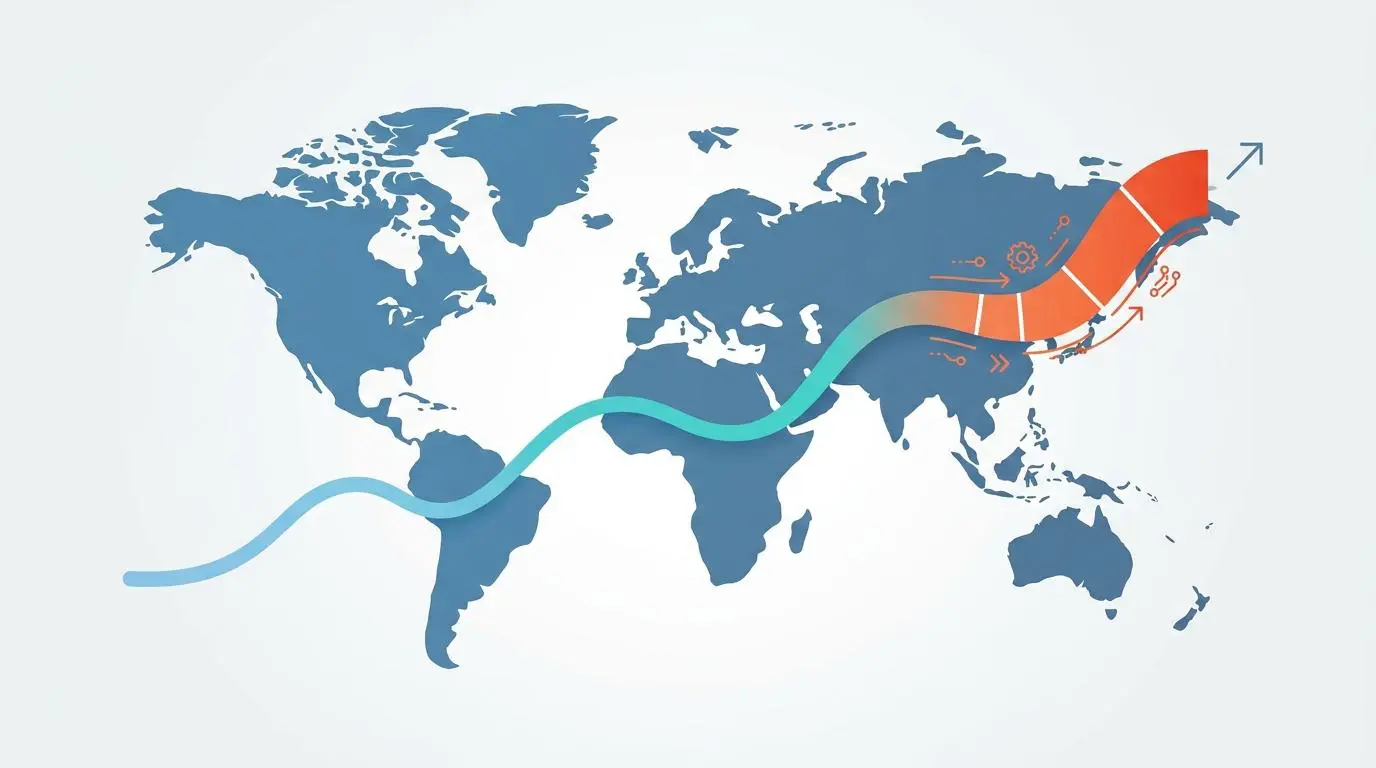
The digital ecosystem has fundamentally shifted away from human-centric browsing patterns. We are no longer optimizing solely for organic human discovery. As of June 4, 2026, the internet reached a critical and irreversible milestone with automated bot traffic surpassing human requests. This staggering metric represents exactly 57.5 percent of all global HTTP requests to HTML content.
Serving static files to this unprecedented volume of automated agents is a guaranteed recipe for infrastructure failure. Your origin server is forced to allocate precious rendering resources to machines that do not convert, do not buy products, and do not click on advertisements. This invisible tax on your compute resources drains your operational budget while simultaneously degrading the experience for actual human users. Think about the compounding cost of rendering complex JavaScript frameworks for thousands of bots simultaneously. Every single API call triggered by a headless browser scraping your site costs you money in server egress fees.
Furthermore, attempting to block these relentless agents with massive, static exclusion lists creates a dangerous secondary bottleneck. Site owners often panic and add thousands of disallow rules to their text files. However, Google clarified in early 2026 that there are strict, uncompromising limits to how much data their crawlers will process during a single fetch event. If your exclusion lists grow too large in an attempt to block every new AI scraper, you risk hitting Googlebot’s 2MB hard fetch limit.
When a dynamic robots.txt file exceeds this specific threshold, it fails to be parsed entirely by the search engine. This catastrophic failure defaults your entire website to a fully open, unrestricted crawl state. This exacerbates the exact server load issues you were originally trying to prevent, creating a vicious cycle of resource exhaustion and crawl inefficiency.
Intercepting Requests at the Edge

Cloudflare’s Dynamic Workers, officially launched in April 2026, provide the foundational programmatic layer for adaptive crawl control. These highly efficient edge functions operate using the V8 isolate engine. They utilize persistent state and sub-millisecond cold starts to intercept incoming requests for the robots.txt file instantaneously. Instead of serving a static text file from a hard drive, the worker programmatically rewrites the crawl directives on the fly.
This rewriting process is based entirely on the origin server’s real-time CPU telemetry. The edge node achieves this by querying the origin health via the native fetch API. This dynamic feedback loop where the edge node acts as a protective shield is revolutionary. It reads the vital signs of your origin server before allowing any crawler to pass through. If the origin CPU is running hot, the worker instantly rewrites the file to include strict crawl delays. If the origin is completely overwhelmed, it shuts the door entirely for specific user agents.
However, relying solely on raw origin signals introduces a highly dangerous real-world friction. Origin health signals can frequently be delayed or cached incorrectly at the edge layer. This latency causes the Workers to mistakenly serve allow directives to aggressive bots even when the origin is actively undergoing a cascading failure.
To mitigate this data desynchronization, engineers must implement aggressive cache-busting protocols for their telemetry endpoints. Furthermore, they must establish fail-closed default states for unknown bot user-agents. If the edge worker cannot verify the health of the origin within fifty milliseconds, it must automatically default to a restrictive crawl state to preserve the surviving infrastructure.
Taming the LLM Crawler Surge
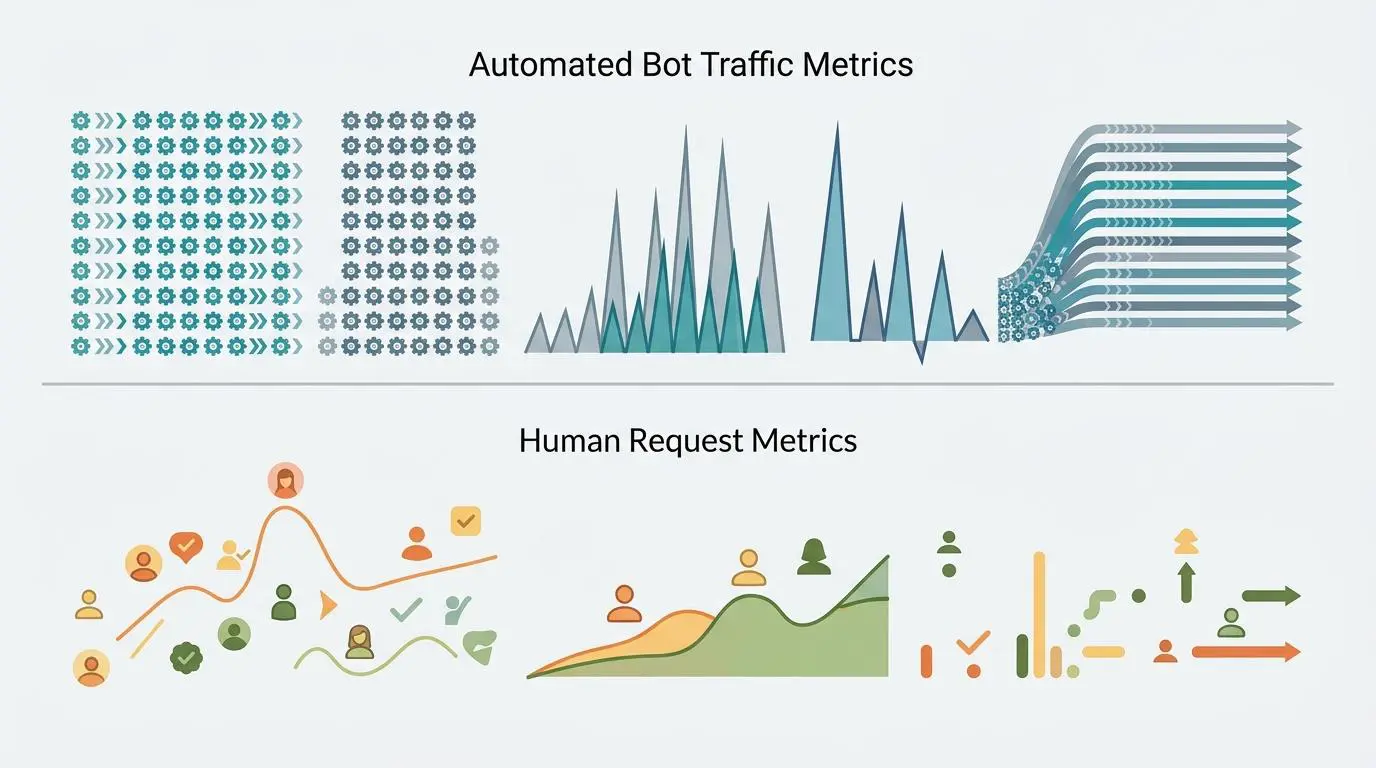
The Cloudflare AI Crawl Control feature, which received a massive update in June 2026, allows for highly targeted, surgical interventions against specific scrapers. Engineers can now inject temporary crawl delay or disallow headers specifically targeting high-intensity user-agents. This includes notorious resource hogs like GPTBot and Bytespider.
This surgical approach maintains unrestricted, high-priority access for standard Googlebot while aggressively throttling resource-heavy AI scrapers. You are essentially creating VIP lanes for search engines that drive revenue, while forcing LLM scrapers into a slow-moving toll booth.
In May 2026, Google introduced Web Bot Auth, an experimental but highly effective protocol. This system allows site owners to verify user-triggered agents in real-time using cryptographic headers. This breakthrough allows Cloudflare Workers to prioritize requests from agents acting on behalf of a specific logged-in user over bulk training crawlers. It bridges the gap between automated scraping and legitimate user-delegated automation.
Despite these sophisticated advancements, aggressive AI agents increasingly ignore voluntary robots.txt directives altogether. They spoof their user-agents and bypass standard exclusion rules. This rogue behavior necessitates an Edge-side Managed Challenge or a dedicated Web Application Firewall rule to backstop the robots.txt logic. When a bot blatantly ignores the dynamic disallow directive, the WAF must immediately step in and drop the TCP connection directly at the edge. This ensures that non-compliant bots consume zero origin bandwidth.
Telemetry-Driven Routing Logic
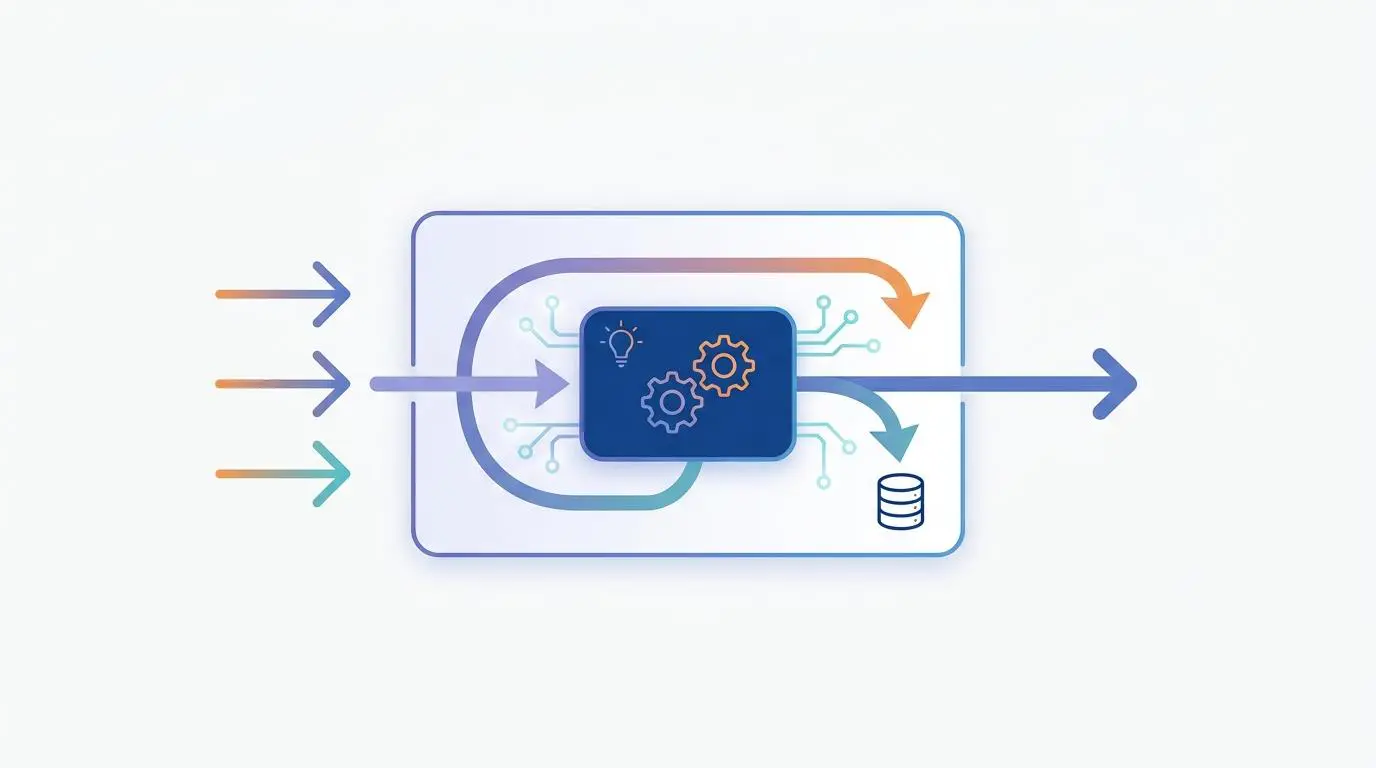
Building a truly programmatic and resilient architecture requires integrating external monitoring tools directly into the edge routing logic. Integrating Prometheus or Google Cloud Monitoring APIs within Cloudflare Workers allows for automated, threshold-based updates. For example, if the origin Time to First Byte exceeds a critical 1200ms threshold, the worker instantly updates the robots.txt file.
It injects global disallow rules to throttle all non-essential crawlers immediately. This 1200ms threshold is crucial because anything slower begins to severely impact your Core Web Vitals and user experience scores. By tying crawl budgets directly to performance metrics, you create a self-healing infrastructure.
The primary technical friction in this setup is severe API rate limiting. High-frequency polling of monitoring APIs from thousands of globally distributed edge locations will quickly trigger rate limits from your monitoring provider. Your monitoring dashboard will crash before your server does.
The architectural solution requires the use of Workers KV to cache server health states for strict 60-second intervals. This creates a highly efficient, distributed state machine. The edge nodes read the health status from the globally distributed KV store rather than polling the origin API directly. This reduces the API calls from millions per minute to just one per minute per data center.
Synchronizing the IndexNow Pipeline
Throttling crawlers during high server load is only half of the architectural battle. You must also ensure that search engines return promptly once the server stabilizes and compute resources are freed up. Utilizing the IndexNow API in conjunction with dynamic robots.txt allows developers to actively ping search engines the exact moment crawl restrictions are lifted.
This proactive communication guarantees rapid re-discovery of content that was temporarily shielded from crawlers. Instead of waiting days for Googlebot to realize the server is healthy, you force a priority crawl event the second your CPU utilization drops below the danger zone.
The inherent danger of this rapid automation is a phenomenon known as Indexing Flapping. Frequent, erratic state changes in your robots.txt can cause Googlebot to perceive the site as structurally unstable. If your server toggles between allow and disallow every five minutes, search engines will lose trust in your infrastructure. This perceived instability can lead to a devastating long-term reduction in the site’s overall crawl priority.
To prevent this flapping, developers must implement hysteresis loops in their worker logic. This mathematical concept ensures that crawl restrictions remain lifted for a minimum duration of at least one hour before toggling back, regardless of minor CPU spikes. It creates a smooth, predictable crawl pattern that search engines can trust. You are essentially training the algorithms to understand your server’s natural rhythm without triggering their automated penalty mechanisms for unstable hosts. Furthermore, integrating your XML sitemaps into this pipeline ensures that when the gates do open, the crawlers are directed instantly to your highest-yield, revenue-generating URLs rather than wasting the newly available budget on paginated archive pages.
The Dawn of Autonomous Negotiation
By 2027, the SEO industry will transition entirely away from the antiquated, static Robots Exclusion Protocol. We are rapidly moving toward a framework called Autonomous Resource Negotiation. In this futuristic paradigm, site headers will facilitate real-time machine-to-machine bidding for crawl access.
This access will be dynamically priced and allocated based on a site’s real-time compute availability and its specific carbon credit footprint. Crawlers will have to prove their worth and negotiate bandwidth before ever downloading a single byte of HTML.
Navigating the intersection of technical SEO, programmatic architecture, and workflow automation requires a sharp strategy. To future-proof your site’s architecture and scale with precision, connect with Andres at Andres SEO Expert.
Frequently Asked Questions
What is Edge-Based Adaptive Crawl Budgeting?
Edge-Based Adaptive Crawl Budgeting is an architectural strategy that shifts traffic routing logic from the origin server to the CDN edge. By using real-time server telemetry, it programmatically rewrites robots.txt directives to throttle or block aggressive AI crawlers before they reach the origin infrastructure.
What happens if a robots.txt file exceeds the 2MB limit?
If a robots.txt file exceeds Googlebot’s 2MB hard fetch limit, it will fail to be parsed. This results in a catastrophic failure where the search engine defaults to a fully open, unrestricted crawl state, potentially leading to server exhaustion.
How do Cloudflare Workers improve bot management?
Cloudflare Workers use the V8 isolate engine to intercept requests at the edge with sub-millisecond cold starts. They dynamically adjust crawl directives based on origin CPU metrics, allowing for surgical intervention against resource-heavy scrapers while maintaining access for high-priority search engines.
What is Indexing Flapping and how can it be prevented?
Indexing Flapping is the perceived instability of a site when robots.txt directives toggle too frequently between allow and disallow states. It is prevented by implementing hysteresis loops in the worker logic, ensuring that crawl restrictions remain stable for a minimum duration to maintain search engine trust.
Why is Workers KV essential for telemetry-driven crawl control?
Workers KV provides a distributed state machine that caches server health data globally. This avoids triggering API rate limits on monitoring tools by reducing the frequency of origin health checks from millions per minute to just one per minute per data center.
How does the IndexNow API assist in crawl budget recovery?
The IndexNow API proactively notifies search engines the moment server resources are freed and crawl restrictions are lifted. This facilitates rapid content re-discovery and ensures that priority URLs are crawled immediately after a period of restricted access.