Executive Summary
- Bundlephobia is a specialized performance utility used to analyze the footprint of npm packages before integration into a web application.
- It provides critical metrics such as minified and gzipped sizes, helping engineers prevent bundle bloat and maintain optimal Core Web Vitals.
- By identifying lightweight alternatives to heavy libraries, developers can significantly reduce JavaScript execution time and improve Interaction to Next Paint (INP).
What is Bundlephobia?
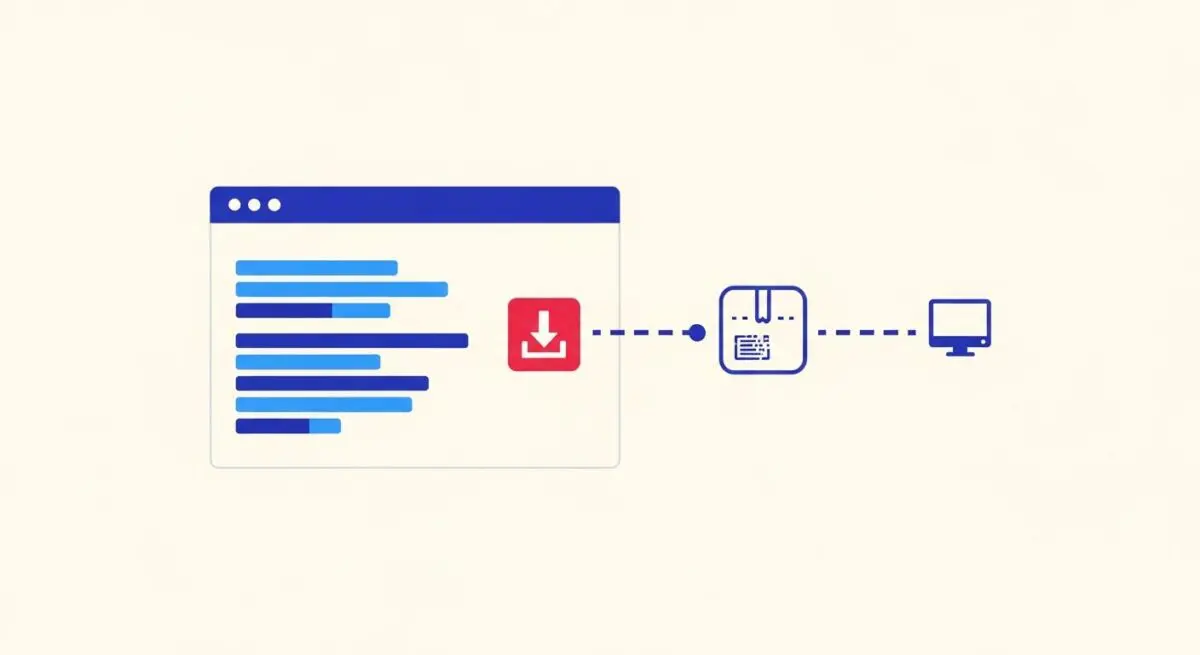
Bundlephobia is a web-based utility designed to provide transparency regarding the impact of JavaScript dependencies on a front-end bundle. It queries the npm registry to calculate the physical size of a package when minified and compressed using Gzip or Brotli. This data allows performance architects to evaluate the cost of a library before it is introduced into the codebase, preventing the accumulation of technical debt associated with excessive third-party code.
The tool offers granular insights, including the estimated download time across different network conditions and the dependency tree of the package. By visualizing how much a single library contributes to the total bundle size, engineers can make data-driven decisions to optimize the critical rendering path and ensure the application remains performant on low-end devices and restricted bandwidth environments.
The Real-World Analogy
Imagine you are packing a suitcase for a flight with a strict weight limit. Before putting an item inside, you place it on a precision scale to see exactly how many grams it adds to your total. Bundlephobia is that scale for your website. It prevents you from unknowingly packing a heavy lead brick (a bloated library) when a feather-light alternative (a modular utility) would serve the same purpose, ensuring your suitcase stays light enough for the airline (the user’s browser) to process quickly without extra fees or delays.
Why is Bundlephobia Critical for Website Performance and Speed Engineering?
JavaScript is the most expensive resource on the web because it must be downloaded, uncompressed, parsed, compiled, and executed. Bundlephobia directly addresses the Largest Contentful Paint (LCP) and Interaction to Next Paint (INP) metrics by enabling developers to minimize main-thread work. Large bundles delay the browser’s ability to render content and respond to user inputs. By using Bundlephobia to select tree-shakeable or smaller libraries, speed engineers reduce the Total Blocking Time (TBT) and ensure that the browser’s main thread remains available for critical user interactions, which is vital for passing the Core Web Vitals assessment.
Best Practices & Implementation
- Analyze every new dependency in Bundlephobia before running npm install to ensure it fits within your project’s defined performance budget.
- Prioritize libraries with the Tree-shakeable badge to ensure your build tool can strip out unused code during the production build process.
- Utilize the comparison feature to evaluate similar packages, such as choosing Day.js over Moment.js to achieve similar functionality with a fraction of the size.
- Monitor the composition section to identify if a package introduces hidden sub-dependencies that could exponentially increase the final bundle size.
Common Mistakes to Avoid
One frequent error is ignoring the dependency of dependencies; a small package might seem light but may pull in several large, unoptimized libraries. Another mistake is failing to check if a library is tree-shakeable, leading to the inclusion of an entire library when only a single function is required. Finally, developers often prioritize developer experience over user experience by choosing familiar but bloated libraries without checking for modern, lightweight alternatives.
Conclusion
Bundlephobia is an essential diagnostic tool for modern speed engineering, providing the necessary data to keep JavaScript payloads lean and Core Web Vitals within optimal thresholds.