Executive Summary
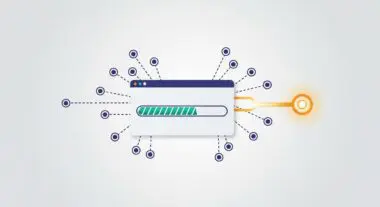
- Time to First Meaningful Paint (TTFMP) identifies the specific moment when the primary above-the-fold content of a page is rendered and visible to the user.
- While largely succeeded by Largest Contentful Paint (LCP) in modern performance audits, TTFMP remains a critical conceptual metric for diagnosing bottlenecks in the Critical Rendering Path.
- Optimization of TTFMP requires aggressive management of render-blocking resources, including the implementation of Critical CSS and efficient font loading strategies.
What is Time to First Meaningful Paint?
Time to First Meaningful Paint (TTFMP) is a technical web performance metric that measures the time between the initiation of a page load and the moment the primary content is rendered on the screen. Unlike First Contentful Paint (FCP), which merely tracks when the browser renders any pixels (such as a background color or a navigation bar), TTFMP focuses on the meaningful elements that satisfy the user’s intent. This metric is typically calculated by identifying the point of the greatest layout change after the initial paint, often coinciding with the rendering of the main text block or hero image.
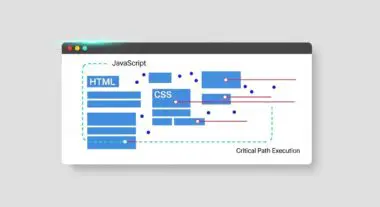
In the context of modern speed engineering, TTFMP serves as a bridge between technical loading milestones and user-perceived performance. Although it has been deprecated in some automated testing tools like Lighthouse 6.0 in favor of Largest Contentful Paint (LCP), the underlying logic remains essential for performance architects. It requires a deep understanding of the Critical Rendering Path, ensuring that the Document Object Model (DOM) and CSS Object Model (CSSOM) are processed with maximum efficiency to deliver the core value proposition of a URL as quickly as possible.
The Real-World Analogy
Imagine walking into a dark theater to watch a play. First Contentful Paint is the moment the house lights dim and the stage lights flicker on; you know something is happening, but the stage is still empty. Time to First Meaningful Paint is the moment the lead actors walk onto the stage and begin the first scene. This is the point where you, as the audience member, feel the experience has truly begun. If the lights stay on an empty stage for too long, you become restless—just as a website user will bounce if they see a header and footer but no actual content.
Why is Time to First Meaningful Paint Critical for Website Performance and Speed Engineering?
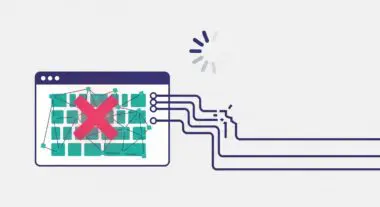
TTFMP is critical because it directly impacts user retention and conversion rates. From a technical standpoint, a high TTFMP value usually indicates that the browser’s main thread is being blocked by non-essential resources. This often occurs when the browser encounters large, unoptimized CSS files or synchronous JavaScript in the <head> of the document. By the time the browser parses these elements and finally renders the meaningful content, the user may have already perceived the site as slow or unresponsive.
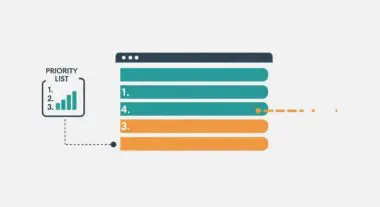
Furthermore, in the era of AI-Search and Generative Experience Optimization (GEO), search engines prioritize pages that provide immediate utility. A fast TTFMP ensures that the primary data points—which AI crawlers and human users alike are seeking—are available with minimal latency. Optimizing for this metric forces a disciplined approach to resource prioritization, such as Critical CSS inlining and the deferral of non-critical scripts, which improves the overall health of a site’s Core Web Vitals.
Best Practices & Implementation
- Inline Critical CSS: Identify the minimum CSS required to render the above-the-fold content and inline it directly into the HTML
<head>to prevent external stylesheet requests from blocking the initial paint. - Optimize Web Font Delivery: Utilize the
font-display: swap;link rel="preload">for the primary image or font files that constitute the “meaningful” part of the page to ensure they are fetched with high priority. - Minimize DOM Depth: Reduce the complexity and nesting of your HTML structure, as a deep DOM tree increases the time required for the browser to calculate layouts and perform paints.
Common Mistakes to Avoid
A frequent error is the heavy reliance on client-side rendering (CSR) for the primary content without a fallback or Server-Side Rendering (SSR) strategy. If the browser must download, parse, and execute a massive JavaScript bundle before the first word of content appears, TTFMP will be unacceptably high. Another mistake is placing third-party tracking scripts or heavy widgets high in the document order, which can hijack the main thread and delay the rendering of the actual content the user came to see.
Conclusion
Time to First Meaningful Paint is a vital diagnostic indicator that emphasizes the delivery of user-centric value. By optimizing the critical rendering path and prioritizing essential assets, performance architects can significantly enhance the perceived speed and authority of a digital property.