



Executive Summary
- Optimization of Time-to-Value (TTV) through data-driven behavioral triggers and event-based tracking.
- Integration with Product-Led Growth (PLG) frameworks to reduce Customer Acquisition Cost (CAC) and improve retention.
- Strategic alignment of onboarding milestones with multi-touch attribution models for precise marketing ROI analysis.
What is User Onboarding?
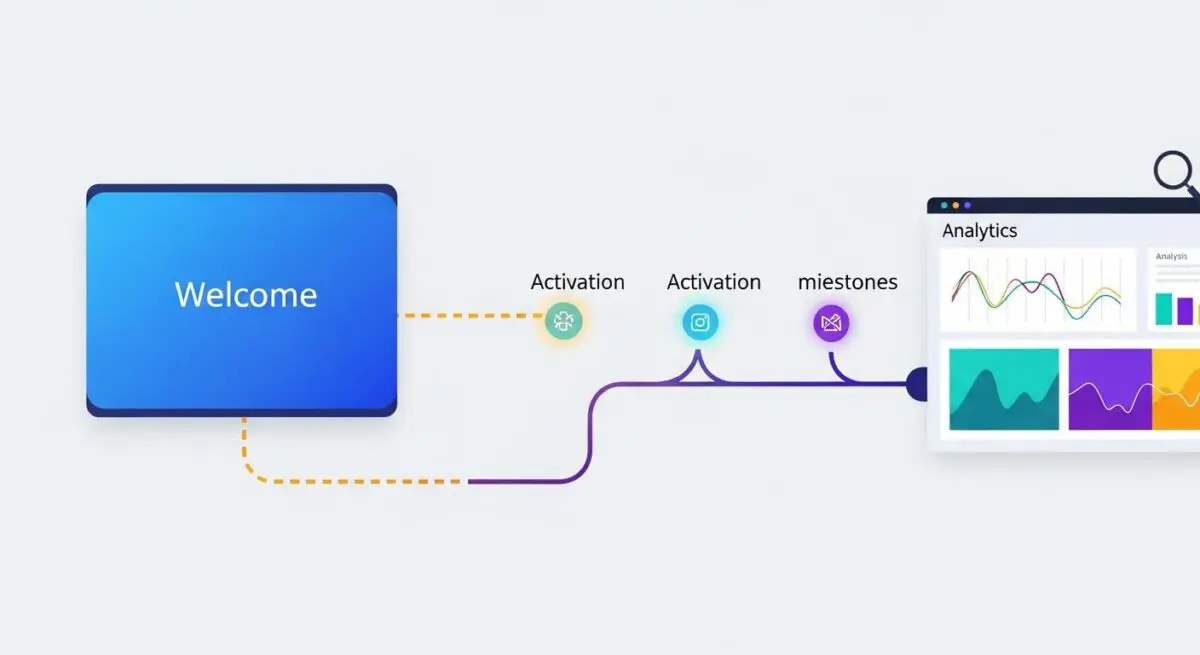
User onboarding is the systematic technical and psychological process of guiding a new user from their initial sign-up to the realization of the product’s core value proposition, often referred to as the “Aha! Moment.” In the context of a modern MarTech stack, user onboarding is not merely a series of tooltips; it is a sophisticated data-engineering workflow that utilizes event-driven architecture to monitor user behavior in real-time. By leveraging tools such as Segment, Amplitude, or Mixpanel, organizations can map out the critical path to activation, ensuring that every interaction is logged and analyzed for friction points.
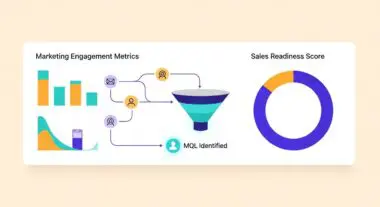
From a technical standpoint, user onboarding involves the orchestration of multiple communication channels—including in-app messaging, transactional emails, and push notifications—triggered by specific API calls or database state changes. This process is integral to the Customer Data Platform (CDP) strategy, as it provides the primary data set for behavioral segmentation. Effective onboarding ensures that the user transition from a marketing-qualified lead (MQL) to a product-qualified lead (PQL) is seamless, data-rich, and scalable across diverse user cohorts.
The Real-World Analogy
Imagine entering a high-security, state-of-the-art research facility for the first time. Without a guide, the complex array of buttons, protocols, and specialized equipment would be overwhelming, likely leading to frustration or misuse. User onboarding is the equivalent of a professional concierge and technical advisor who meets you at the entrance. They don’t just show you where the cafeteria is; they provide you with the specific keycard permissions you need, explain the safety protocols relevant to your specific role, and walk you through your first successful experiment. This ensures you feel competent, secure, and ready to contribute immediately, rather than wandering the halls aimlessly until you decide to leave.
How User Onboarding Impacts Marketing ROI & Data Attribution?
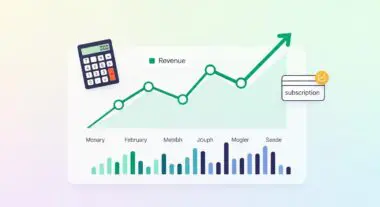
User onboarding is a critical lever in the calculation of Customer Lifetime Value (LTV) and the overall efficiency of marketing spend. When onboarding is optimized, the conversion rate from trial to paid user increases, which directly lowers the effective Customer Acquisition Cost (CAC). From a data attribution perspective, onboarding events serve as high-intent conversion signals. By tracking which marketing channels produce users who complete the onboarding flow versus those who churn, performance marketers can reallocate budget toward higher-quality traffic sources, moving beyond simple click-through rates to focus on downstream revenue impact.
Furthermore, a robust onboarding framework provides the granular data necessary for sophisticated attribution models. If a user interacts with a specific feature during onboarding that correlates with long-term retention, that feature becomes a focal point for future marketing campaigns. This creates a feedback loop where product usage data informs top-of-funnel strategy. In the era of AI-driven marketing, these data points are essential for training machine learning models to predict churn and automate personalized intervention, thereby protecting the initial marketing investment and maximizing ROI through improved retention metrics.
Strategic Implementation & Best Practices
- Implement Progressive Profiling: Instead of overwhelming users with long forms at registration, collect data incrementally as they interact with the product. This reduces initial friction while building a comprehensive user profile for personalized automation.
- Define and Track Activation Milestones: Identify the 3-5 key actions that correlate most strongly with long-term retention. Use event-based tracking (e.g., Track() calls in Segment) to monitor these milestones and trigger automated assistance if a user stalls.
- Leverage Behavioral Triggering: Move away from time-based email sequences. Instead, use real-time behavioral data to send messages that address the user’s current state, such as a “how-to” guide for a feature they just attempted to use but failed to complete.
- A/B Test Onboarding Flows: Treat the onboarding sequence as a conversion funnel. Continuously test different UI patterns, such as checklists versus progress bars, to determine which technical implementation yields the highest completion rate for specific user segments.
Common Pitfalls & Strategic Mistakes
One of the most frequent errors in enterprise user onboarding is the “feature dump,” where the product attempts to explain every possible functionality in a single session. This increases cognitive load and leads to rapid churn. Another significant mistake is the creation of data silos, where onboarding engagement data is not synced back to the CRM or marketing automation platform. This lack of integration prevents the marketing team from understanding why users are dropping off, leading to inefficient retargeting efforts and misaligned messaging. Finally, many brands fail to account for cross-device behavior, resulting in a fragmented onboarding experience that resets when a user moves from mobile to desktop.
Conclusion
User onboarding is a foundational component of a data-driven growth strategy, serving as the bridge between initial acquisition and long-term retention. By treating onboarding as a technical engineering challenge rather than a simple design task, organizations can significantly enhance their marketing ROI and build a scalable framework for sustainable product growth.