Key Points
- Zero-Shot Capabilities: Modern LLM-vision models eliminate the need for brittle OCR templates by understanding document context instantly.
- Human-in-the-Loop Safeguards: Chat-based approval routing catches low-confidence AI extractions before they corrupt financial records.
- Bidirectional Synchronization: Real-time REST API connections ensure accurate GL coding by syncing directly with the NetSuite Vendor Master.
Table of Contents
The True Cost of Manual Data Entry
Imagine a local baker managing hundreds of chaotic WhatsApp orders alongside a massive enterprise developer wrestling with fragmented data pipelines. Despite the vast difference in scale, both share a universal operational nightmare. The manual reconciliation of unstructured, multi-page vendor invoices drains resources and causes severe month-end closing delays.
For organizations relying on rigid ERP schemas, these delays are compounded by high error rates in GL coding. Every minute spent typing line-item details is a minute stolen from strategic growth and scaling operations. The solution lies in completely reimagining how financial data enters your ecosystem.
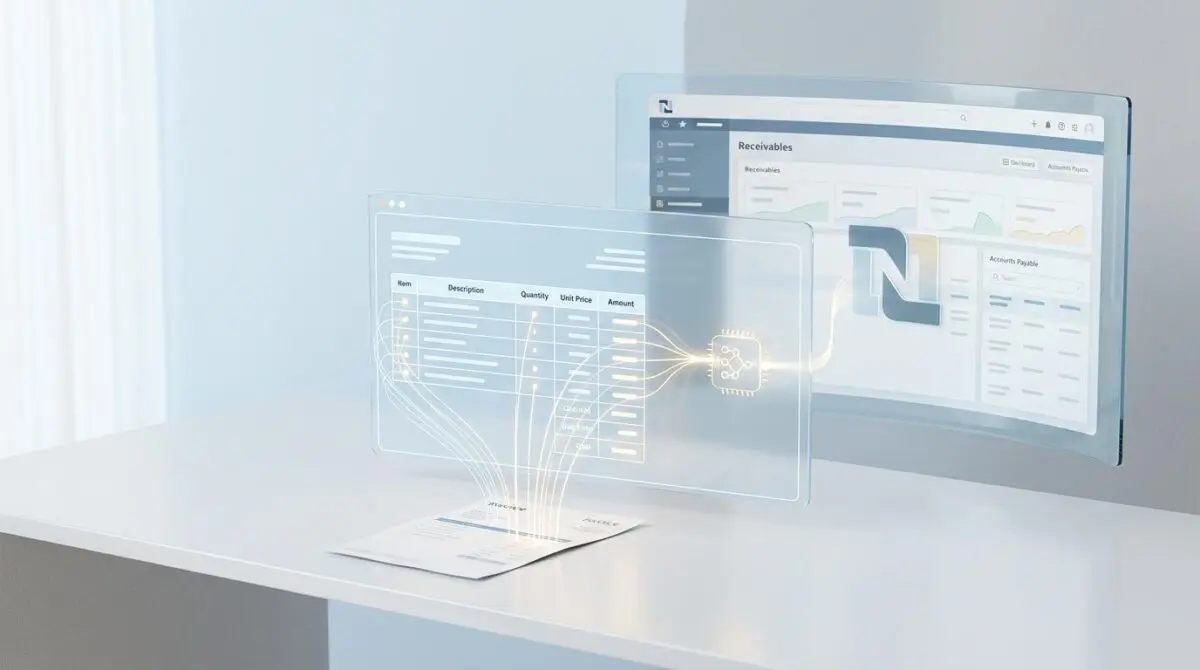
By deploying AI-Native AP Automation for NetSuite (LLM-Vision Integration), businesses can finally eliminate the swivel-chair data entry process. This technology transforms static documents into dynamic, real-time data streams without human intervention.
Market Intelligence & Data
Reduction in Cycle Time
According to Ardent Partners’ 2026 State of ePayables report, organizations using AI-vision models have reduced total invoice processing time by 85% compared to 2024 benchmarks.
Cost Savings Per Invoice
The 2026 IOFM AP Benchmarking Report highlights that AI-driven automation lowers the average cost to process a single invoice from $15.50 to $3.10.
ERP Integration Value
Gartner’s 2025 Finance Technology roadmap notes that integrated AP automation yields a 12x return on investment within 18 months for NetSuite enterprise users.
Shift to LLM-Native Extraction
A 2025 McKinsey survey found that 71% of enterprise finance teams have replaced legacy template-based OCR with LLM-based vision systems for unstructured data processing.
The operational metrics above highlight a fundamental shift in how finance departments handle complex document workflows. In fact, a 2025 McKinsey survey found that 71% of enterprise finance teams have replaced legacy template-based OCR with LLM-based vision systems for unstructured data processing.
This transition is what drives the massive 85% reduction in cycle times across the industry. By allowing modern models to perform ‘zero-shot’ extraction, companies no longer need to rely on brittle, coordinate-based templates. The AI understands the context of the document instantly, scaling your AP operations with unprecedented speed.
AI-Agent Integration
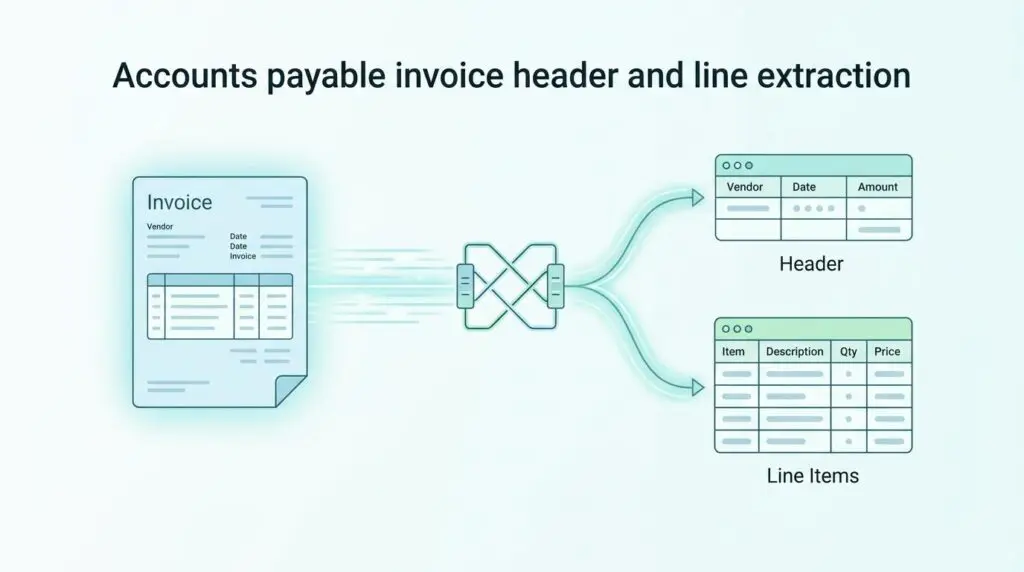
Modern accounts payable workflows now utilize powerful models like GPT-4o-mini and Claude 3.5 Sonnet directly via API. These vision-capable models excel at understanding context, completely eliminating the need for outdated, coordinate-based OCR templates. Traditional OCR systems fail catastrophically when a vendor changes their invoice layout by even a few pixels.
This pixel-shift fragility requires constant, manual template re-mapping, which drains IT resources. To counter this, tools like Rossum and Vic.ai now leverage proprietary LLM-wrappers to interpret complex table structures and nested line items. The data is parsed directly into clean JSON payloads, perfectly formatted for NetSuite’s SuiteTalk REST API.
The Daily Friction
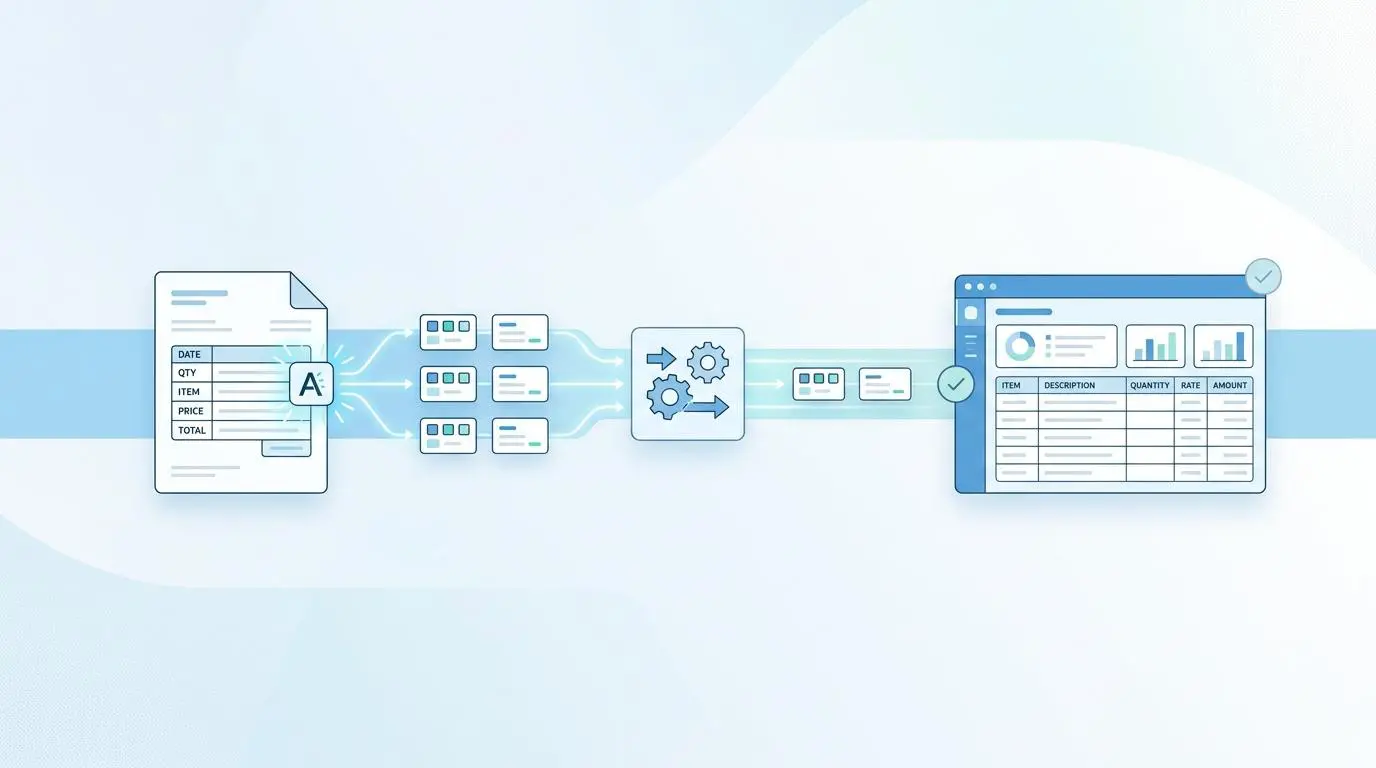
Accounts Payable teams spend an average of four to six minutes per invoice manually typing header data like PO numbers and tax codes. This tedious process also involves manually inputting line-item details directly into NetSuite. High-volume departments often handle thousands of invoices monthly, leading to severe data entry fatigue.
This fatigue directly translates to a 3.5% average human error rate in numerical transcription, causing expensive reconciliation headaches later. Integration platforms like Celigo and Workato are stepping in to automate this exhausting swivel-chair process. These iPaaS solutions fetch PDFs directly from Outlook or Gmail and push the verified data straight into the NetSuite Bill record.
The Human-in-the-Loop Factor
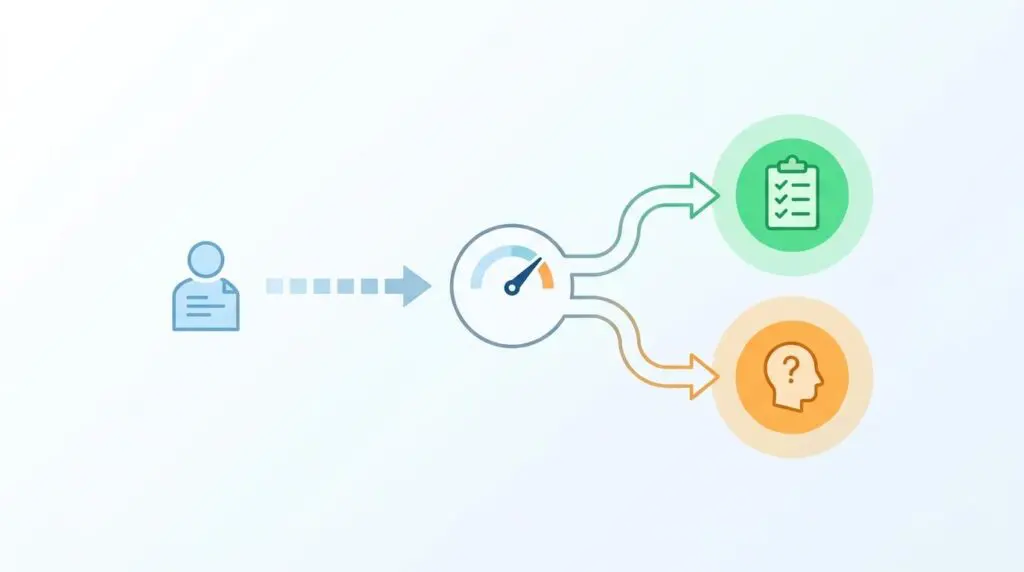
Blind automation carries significant risks, particularly the danger of AI hallucinations in critical financial records. Without an easy verification step, teams are forced to manually audit every single entry in the ERP, defeating the purpose of automation. This is where strategic workflow routing becomes essential for data integrity.
Platforms such as n8n and Relay.app are being deployed to trigger smart approval cards in Slack or Microsoft Teams. These alerts fire automatically when an AI model’s confidence score for a specific line-item falls below 95%. AP Managers can instantly correct the data within their chat application.
This seamless interaction updates the AI training set and the NetSuite record simultaneously. It keeps the human in control while maintaining the velocity of an automated pipeline.
Security, Privacy & Compliance
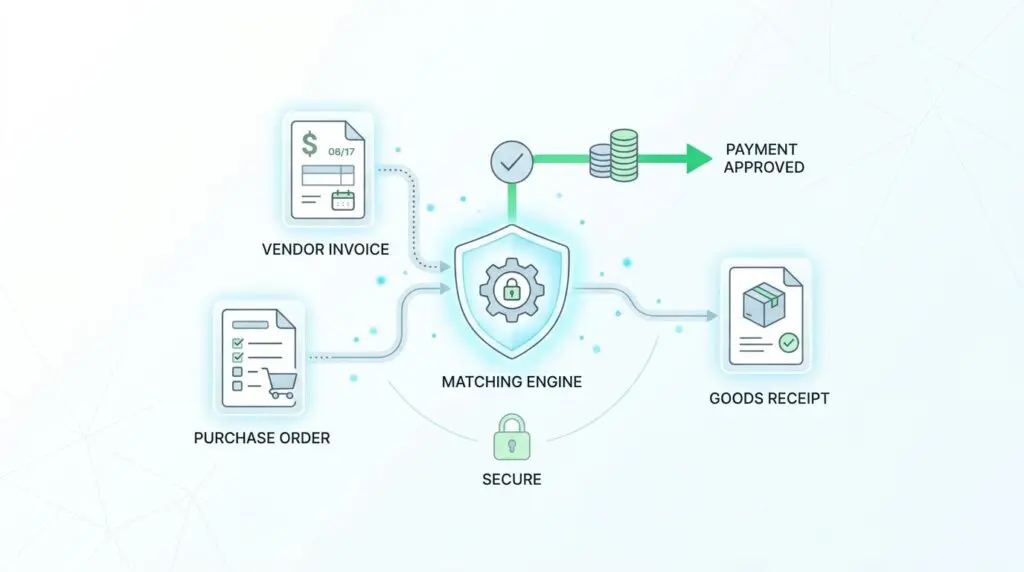
With the rapid rise of AI-driven fraud, modern workflows must include robust security measures like automated three-way matching. This ensures that the Invoice, Purchase Order, and Receiving Record align perfectly before any funds are disbursed. Additionally, automated deepfake invoice detection is becoming a standard requirement for enterprise pipelines.
Compliance frameworks also demand strict data governance, particularly the PII masking of vendor banking details. Sending sensitive financial data to public AI models without a private VPC or data-residency agreement violates GDPR and SOC2 compliance. Organizations must architect their extraction engines to sanitize data locally before it ever touches a third-party LLM provider.
Data Synchronization & Pipelines
Disconnected extraction tools frequently create dangerous data silos within an organization. In these flawed setups, the AI might guess a vendor name that does not exactly match the specific record ID in the ERP. This mismatch causes immediate integration failures and pollutes the database.
The standardization of NetSuite’s REST Web Services has solved this by enabling real-time synchronization between extraction engines and the Vendor Master list. This bidirectional flow prevents duplicate vendor creation and ensures absolute data hygiene. Furthermore, tax codes and GL segments are dynamically pulled from NetSuite to populate the AI’s classification options accurately.
Effective synchronization pipelines rely on several core ERP components:
- Vendor Master Sync: Prevents duplicate records by matching exact NetSuite IDs.
- Dynamic Tax Codes: Pulls real-time tax jurisdictions directly into the AI classification engine.
- GL Segment Routing: Ensures line-item expenses hit the correct departmental budgets automatically.
The Autonomous Future of AP
The landscape of financial automation is evolving rapidly beyond simple data ingestion. A recent shift toward Multi-Modal LLM extraction has allowed enterprises to process handwritten invoices and non-standard international receipts with incredible precision. According to Forrester’s 2025 Tech Tide on Document AI, these systems operate with 92% higher accuracy than top-tier 2024 OCR systems.
By late 2026, AP automation will shift entirely from basic extraction to autonomous decisioning. AI agents will not only read invoices but autonomously assign GL accounts and department tags based on historical spend patterns and real-time budget availability directly within NetSuite. The era of manual financial data entry is officially drawing to a close.
Navigating the intersection of technology, workflows, and operational efficiency requires a sharp strategy. To future-proof your business architecture and scale with precision, connect with Andres at Andres SEO Expert.
Frequently Asked Questions
What is the difference between legacy OCR and LLM-based vision for AP automation?
Legacy OCR relies on rigid, coordinate-based templates that fail when invoice layouts change. In contrast, LLM-based vision systems use ‘zero-shot’ extraction to understand document context, allowing them to process unstructured data without manual template re-mapping or IT intervention.
How does AI-native AP automation integrate with NetSuite?
AI-native systems integrate via NetSuite’s SuiteTalk REST API, enabling real-time bidirectional synchronization. This ensures that the AI pulls accurate Vendor Master lists, tax codes, and GL segments directly from the ERP, preventing data silos and duplicate record creation.
What are the cost savings associated with AI-driven invoice processing?
According to the 2026 IOFM AP Benchmarking Report, AI-driven automation can lower the average cost of processing a single invoice from $15.50 to just $3.10, resulting in a significant cost saving of $12.40 per invoice.
Why is ‘Human-in-the-Loop’ (HITL) necessary for automated financial workflows?
Human-in-the-Loop (HITL) is essential for maintaining data integrity and preventing AI hallucinations. It uses smart approval routing to alert AP managers when confidence scores fall below 95%, allowing for manual verification in platforms like Slack or Teams before data is committed to the ERP.
How does AI automation address AP security and compliance?
Automation enhances security through three-way matching of invoices, POs, and receiving records to prevent fraud. For compliance, systems use PII masking of vendor bank details and local data sanitization to ensure adherence to GDPR and SOC2 standards when using third-party LLM providers.
What ROI can NetSuite users expect from AP automation?
Gartner reports that integrated AP automation typically yields a 12x return on investment (ROI) within 18 months. This is largely driven by an 85% reduction in invoice cycle times and the elimination of manual GL coding errors.