Executive Summary
- VoC systems utilize Natural Language Processing (NLP) and Large Language Models (LLMs) to transform unstructured qualitative feedback into structured, actionable datasets for predictive modeling.
- Integration of VoC data into Customer Data Platforms (CDPs) enables hyper-personalization by aligning behavioral analytics with explicit customer sentiment and intent.
- Closing the feedback loop through automated API triggers ensures that customer insights directly influence product development cycles and marketing automation workflows.
What is Voice of the Customer (VoC)?
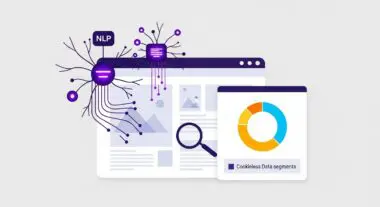
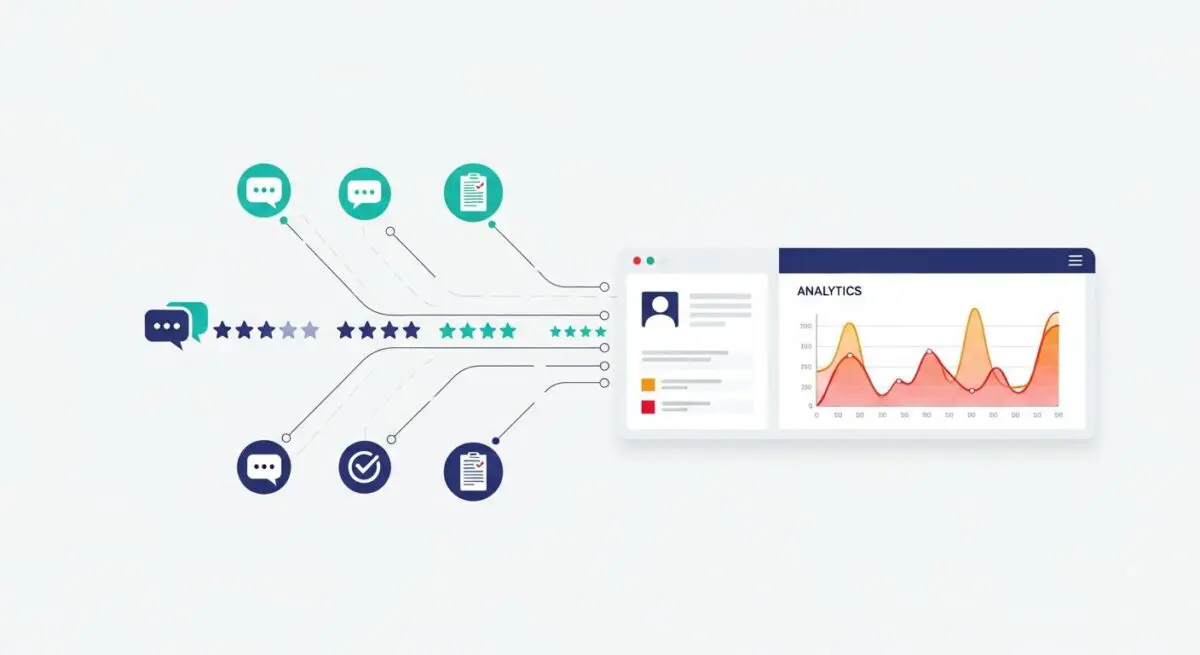
Voice of the Customer (VoC) is a sophisticated research methodology and technical framework designed to capture, aggregate, and analyze the stated and unstated needs, expectations, and preferences of a target audience. In the context of a modern MarTech stack, VoC transcends simple survey collection; it represents a multi-channel data ingestion engine that processes inputs from direct surveys, social listening, recorded sales calls, and support tickets. By leveraging Natural Language Processing (NLP), organizations can quantify qualitative data, identifying recurring themes and sentiment trends that traditional quantitative metrics, such as click-through rates (CTR), often fail to capture.
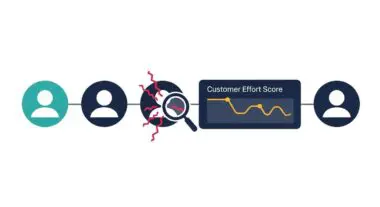
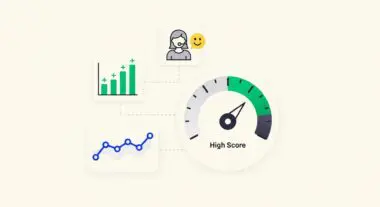
From a technical perspective, a robust VoC program functions as a critical layer within the data architecture, bridging the gap between behavioral data (what users do) and attitudinal data (why they do it). This integration is typically achieved through APIs that connect feedback platforms like Qualtrics or Medallia with centralized Customer Data Platforms (CDPs) or Data Warehouses (e.g., Snowflake or BigQuery). By synthesizing these data streams, marketing engineers can build more accurate customer profiles, allowing for advanced segmentation based on sentiment scores, such as Net Promoter Score (NPS), Customer Satisfaction (CSAT), or Customer Effort Score (CES).
The Real-World Analogy
To understand Voice of the Customer in a business context, imagine a high-end architectural firm designing a smart skyscraper. The firm doesn’t just look at the structural blueprints (the product) or the number of people entering the building (traffic metrics). Instead, they install advanced sensors throughout the lobby and offices to monitor temperature, light levels, and acoustic comfort, while simultaneously conducting deep-dive interviews with the tenants about their daily experience. The VoC is the synthesis of those tenant interviews and sensor data; it tells the architects not just that the building is standing, but exactly which floors are too cold, which elevators are too slow, and why tenants might choose a different building next year. Without this feedback loop, the architects are building in a vacuum, relying on assumptions rather than the lived reality of the users.
How Voice of the Customer (VoC) Impacts Marketing ROI & Data Attribution?
The strategic implementation of VoC has a profound impact on Marketing Return on Investment (ROI) by refining the precision of customer acquisition and retention strategies. In traditional attribution models, marketers often struggle with the ‘dark social’ or ‘offline’ touchpoints that influence a conversion. VoC data provides the missing link in these models by capturing the specific triggers and pain points that led a customer to engage with the brand. When this qualitative insight is mapped against the conversion path, it allows for a more nuanced understanding of which marketing channels are truly driving value versus those that are merely present at the end of the funnel.
Furthermore, VoC is a primary driver for reducing Customer Acquisition Cost (CAC) and increasing Lifetime Value (LTV). By identifying and resolving friction points in the user journey—discovered through customer feedback—brands can optimize their Conversion Rate Optimization (CRO) efforts with surgical precision. Instead of broad A/B testing, data-driven teams use VoC insights to hypothesize changes that address specific user complaints. This leads to higher conversion rates and improved customer retention, as users feel their needs are being met proactively. In the era of AI-Search and Generative Engine Optimization (GEO), VoC data also informs content strategy, ensuring that brand messaging aligns with the specific natural language queries and intent patterns identified in customer feedback.
Strategic Implementation & Best Practices
- Implement Multi-Channel Data Ingestion: Deploy a unified feedback collection system that aggregates data from disparate sources, including post-purchase surveys, in-app feedback widgets, and social media sentiment analysis, ensuring a holistic view of the customer journey.
- Leverage NLP for Sentiment Analysis: Utilize machine learning algorithms to categorize unstructured text data into sentiment scores and thematic clusters. This allows for the quantification of qualitative feedback, making it compatible with BI tools and dashboards.
- Automate the Feedback Loop: Establish API-driven triggers that alert relevant departments (Product, Sales, Support) when specific sentiment thresholds are met. For example, a low CSAT score should automatically generate a high-priority ticket in the CRM for immediate follow-up.
- Integrate with Customer Data Platforms (CDP): Ensure that VoC metrics are appended to individual customer profiles within the CDP. This enables marketing automation platforms to trigger personalized campaigns based on a user’s specific feedback or sentiment history.
- Prioritize Actionable Insights over Volume: Focus on gathering ‘high-intent’ feedback at critical touchpoints rather than over-surveying the entire database. Quality of insight is superior to quantity when informing product roadmaps or high-level marketing strategy.
Common Pitfalls & Strategic Mistakes
One of the most frequent errors in enterprise VoC programs is the creation of data silos, where feedback is collected by a research team but never integrated into the broader MarTech ecosystem. When feedback remains isolated, it cannot influence real-time marketing decisions or automated customer journeys, rendering the data largely academic. Another common mistake is ‘survey fatigue,’ where brands bombard users with too many requests for feedback, leading to biased data and decreased response rates from high-value customers.
Additionally, many organizations fail to distinguish between ‘noise’ and ‘signal’ in qualitative data. Without a rigorous technical framework for analyzing sentiment and intent, brands may overreact to the complaints of a vocal minority while ignoring the systemic issues affecting the silent majority. Finally, failing to ‘close the loop’—not informing the customer that their feedback resulted in a specific change—diminishes the perceived value of the VoC program and discourages future participation.
Conclusion
Voice of the Customer is a critical technical pillar for any data-driven marketing architecture, providing the qualitative context necessary to optimize ROI and attribution. By integrating VoC into the MarTech stack via robust API connectivity, enterprises can transform raw sentiment into a scalable engine for growth and customer-centric innovation.