Executive Summary
- Psychographic segmentation moves beyond static demographics by analyzing qualitative attributes such as personality, values, and lifestyle to predict consumer behavior.
- Integration with modern Customer Data Platforms (CDPs) allows for real-time personalization and dynamic content delivery based on psychological triggers.
- Strategic application of psychographics significantly reduces Customer Acquisition Cost (CAC) by aligning brand messaging with the intrinsic motivations of high-intent audiences.
What is Psychographic Segmentation?
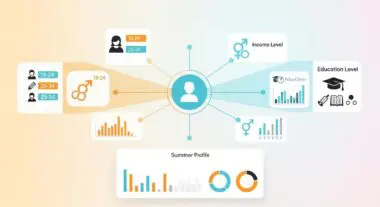
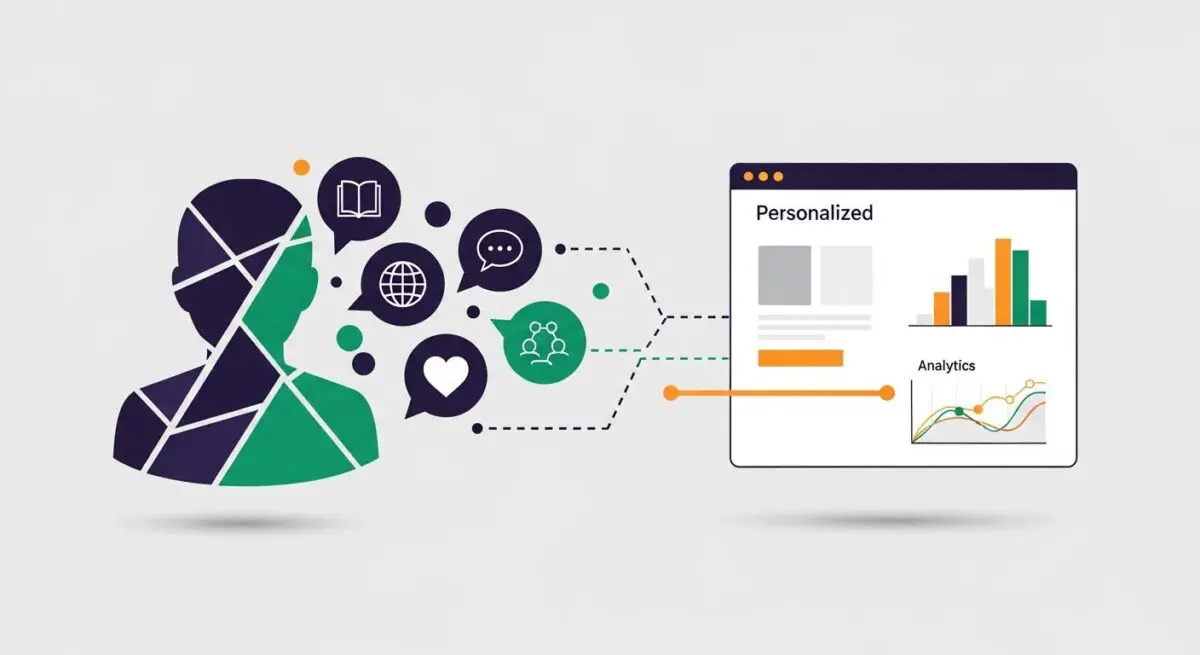
Psychographic segmentation is a sophisticated market segmentation technique that categorizes a target audience based on psychological traits, including personality, values, attitudes, interests, and lifestyles. Unlike demographic segmentation, which focuses on quantifiable data points like age, gender, or income, psychographic segmentation seeks to understand the underlying motivations and cognitive processes that drive consumer decision-making. In the context of a modern MarTech stack, this involves the ingestion of qualitative data into Customer Data Platforms (CDPs) and Customer Relationship Management (CRM) systems to create multidimensional user personas that reflect the “why” behind consumer actions.
From a technical standpoint, psychographic segmentation leverages the VALS (Values, Attitudes, and Lifestyles) framework and the Big Five personality traits (Openness, Conscientiousness, Extraversion, Agreeableness, and Neuroticism) to map consumer profiles. In the era of AI-Search and Generative Engine Optimization (GEO), psychographic data is critical for training Large Language Models (LLMs) to generate content that resonates with specific cognitive biases and emotional triggers. By analyzing unstructured data from social media interactions, search queries, and purchase histories, data scientists can identify clusters of consumers who share similar psychological profiles, enabling more precise programmatic ad targeting and personalized user experiences.
Furthermore, psychographic segmentation is essential for navigating the post-cookie landscape. As third-party tracking becomes increasingly restricted by privacy regulations like GDPR and CCPA, marketers must rely on first-party data and zero-party data—information voluntarily shared by consumers—to build psychographic profiles. This shift requires a robust data architecture capable of capturing and processing qualitative signals at scale, ensuring that marketing efforts remain relevant and effective without infringing on user privacy.
The Real-World Analogy
To understand psychographic segmentation, consider the operation of a high-end, bespoke tailoring service. A demographic approach would be to categorize customers solely by their physical measurements (height, weight, arm length). While this ensures the suit fits the body, it ignores the purpose and personality of the wearer. A psychographic approach, however, involves the tailor asking deeper questions: Is the client a conservative corporate executive who values tradition and authority? Or are they a creative entrepreneur who wants to signal innovation and non-conformity? By understanding the client’s values and lifestyle, the tailor can recommend fabrics, cuts, and styles that not only fit the body but also align with the client’s identity and social goals. In marketing, psychographics ensure that the “suit” (the product or message) fits the consumer’s internal identity, not just their external statistics.
How Psychographic Segmentation Impacts Marketing ROI & Data Attribution?
Psychographic segmentation has a profound impact on Marketing ROI by optimizing the efficiency of the entire conversion funnel. By aligning messaging with the psychological predispositions of the audience, brands can achieve higher click-through rates (CTR) and conversion rates (CVR), directly lowering the Customer Acquisition Cost (CAC). When a consumer feels that a brand “understands” their values, the cognitive load required to make a purchase decision is reduced, leading to faster sales cycles and improved performance metrics across all digital channels.
In terms of data attribution, psychographic segmentation provides a more nuanced view of the customer journey. Traditional attribution models often struggle to explain why two users with identical demographic profiles interact with a brand differently. By layering psychographic data over touchpoint analysis, marketers can identify which psychological triggers are most effective at different stages of the funnel. For instance, a consumer motivated by “social status” might respond better to influencer-led top-of-funnel content, while a consumer motivated by “security” might require technical whitepapers and case studies before converting. This level of insight allows for more accurate budget allocation, as resources can be shifted toward the segments and triggers that demonstrate the highest Lifetime Value (LTV).
Moreover, psychographic segmentation enhances the predictive capabilities of machine learning models. When training algorithms to predict churn or upsell opportunities, including psychographic variables significantly increases model accuracy. Understanding that a customer is “innovation-oriented” allows a brand to proactively offer early access to new features, thereby increasing retention and maximizing LTV. In a data-driven marketing architecture, psychographics serve as the connective tissue between raw behavioral data and actionable strategic insights.
Strategic Implementation & Best Practices
- Implement Zero-Party Data Collection: Utilize interactive content such as quizzes, surveys, and preference centers to collect qualitative data directly from users. This data should be mapped to individual user IDs within the CRM to build evolving psychographic profiles that respect privacy boundaries.
- Leverage Natural Language Processing (NLP): Deploy NLP tools to analyze customer reviews, support tickets, and social media mentions. By extracting sentiment and identifying recurring themes related to values and interests, brands can automate the clustering of psychographic segments at scale.
- Orchestrate Dynamic Creative Optimization (DCO): Use psychographic segments to inform DCO strategies. Ensure that ad copy, imagery, and calls-to-action (CTAs) are dynamically adjusted based on the psychological profile of the viewer, such as emphasizing “sustainability” for eco-conscious segments or “efficiency” for achievement-oriented users.
- Integrate Psychographics into A/B Testing: Move beyond testing button colors and instead test value propositions. Segment your A/B test results by psychographic profile to determine which messaging resonates with specific psychological cohorts, allowing for more granular optimization of the user experience.
Common Pitfalls & Strategic Mistakes
One frequent error is the reliance on outdated or static psychographic data. Consumer values and lifestyles are not permanent; they shift in response to life events, economic changes, and cultural trends. Failing to implement a feedback loop that updates psychographic profiles in real-time can lead to misaligned messaging and wasted ad spend. Additionally, many enterprise brands treat psychographics as a separate silo from behavioral data. For maximum impact, psychographic insights must be integrated with transactional data to ensure that psychological profiles are validated by actual purchasing behavior.
Another significant pitfall is the ethical and regulatory risk associated with psychological profiling. In the wake of high-profile data scandals, consumers and regulators are increasingly sensitive to how psychological data is used. Brands must ensure full transparency in their data collection practices and avoid using psychographic insights to exploit vulnerabilities or manipulate consumers. Mismanagement of this data can lead to severe reputational damage and legal penalties under frameworks like the GDPR.
Conclusion
Psychographic segmentation is a critical component of a sophisticated, data-driven marketing architecture, providing the qualitative depth necessary to optimize conversion paths and maximize LTV. By integrating psychological insights with technical execution, brands can create highly resonant experiences that drive sustainable growth in an increasingly competitive digital landscape.